Behind every backyard mechanic’s garage lies a sanctuary of passion, craftsmanship, and hidden secrets that fuel the art of restoring vintage machines. This space is more than just a workshop—it’s a personal haven where patience, resourcefulness, and tradition converge. From meticulously sourcing rare parts to improvising with household tools, mechanics transform neglected relics into cherished artifacts. The evolving blend of old techniques and modern technology opens new avenues for restoration, yet preserves the timeless artistry of hand-fitting and manual repairs. Do secret rituals like pre-soaking bolts or using vintage hand-crank starters hold the key to smoother projects? This guide explores these lesser-known practices and the profound impact they have on craftsmanship, resilience, and personal fulfillment. With each project, backyard restorers reaffirm that patience, ingenuity, and a love for machines turn routine repairs into acts of enduring artistry—what secrets really keep this passion alive?
Discover the Sanctuary of Passion and Craftsmanship in Your Backyard Garage
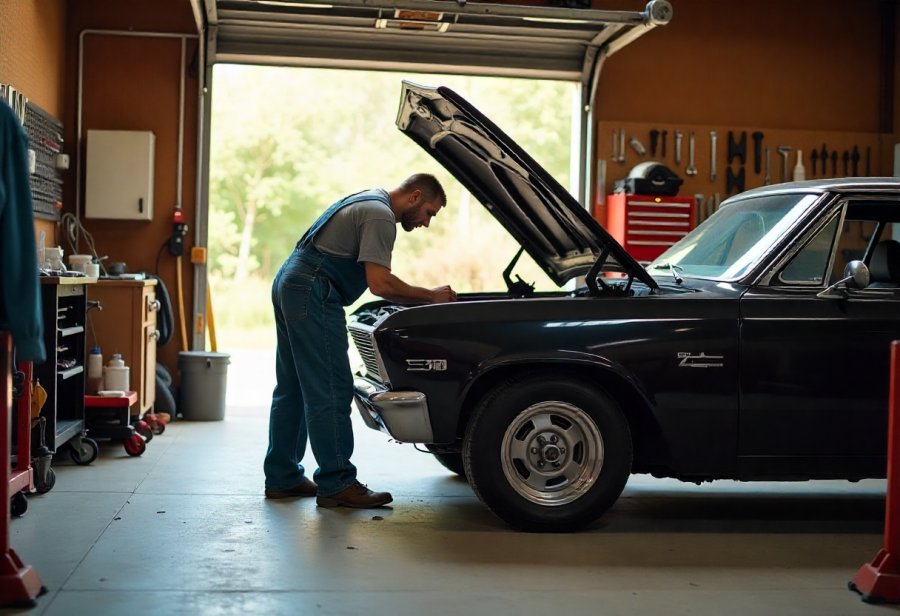
There’s something quietly mesmerizing about a backyard mechanic’s garage. It’s more than just a space filled with tools and car parts; it’s a personal sanctuary where passion and craftsmanship come alive. The scent of oil and gasoline hangs in the air, mixing with the hum of tools in motion. Each bolt tightened and every engine tuned becomes a small act of devotion, a moment of focused purpose amid cluttered shelves and workbenches.
This garage isn’t merely a workshop—it’s a reflection of its owner’s love for machines. Every worn wrench, vintage poster, and carefully stored part tells a story of patience and dedication. Here, time slows down, allowing craftsmanship to flourish away from the distractions of everyday life. Whether restoring a classic car or fine-tuning a motorcycle, these spaces become retreats where skills are sharpened and traditions preserved.
Beyond the tools and projects, the garage holds a deeper significance. It’s a place where patience is valued over speed, and resourcefulness often replaces the need for new parts. Sourcing rare components, fabricating replacements, or improvising solutions is part of the craft. These routines turn routine repairs into acts of art, elevating mechanical work into a meaningful ritual.
For many backyard mechanics, the garage is a haven—an escape that nurtures resilience and ingenuity. It’s where old machines are reborn and new skills are learned, all driven by a love for craftsmanship. In that space, every project is more than a repair; it’s a personal journey, a testament to the enduring spirit of hands-on work and the quiet joy found in restoring something old to life.
Uncover the Deep Roots of Backyard Mechanics and Their Cultural Significance
The tradition of backyard mechanics runs deep in many communities, shaping a culture rooted in independence and hands-on craftsmanship. Long before professional garages became the norm, passionate individuals took pride in fixing and restoring their own machines, passing down skills through generations. These home-based projects foster a sense of self-reliance, creating a direct connection to automotive history and adding a personal touch that commercial repair shops often lack. It’s more than just fixing vehicles; it’s about preserving knowledge, patience, and ingenuity that have stood the test of time.
For many backyard mechanics, the garage isn’t just a workspace—it’s a personal sanctuary. It’s where time slows down, and craftsmanship takes center stage. Each tool, part, and project becomes part of their identity, carrying stories of dedication and resourcefulness. Restoring vintage vehicles or tuning engines transforms into a ritual that links them to a broader tradition of perseverance and skill. These spaces often overflow with memorabilia, old manuals, and carefully collected parts, reflecting their owners’ passions and histories.
Resourcefulness is a cornerstone of this craft. Enthusiasts assess each machine’s condition, identifying rust, missing parts, or worn components. They source parts from salvage yards, online marketplaces, or even fabricate their own replacements. The hands-on approach demands meticulous cleaning, disassembly, and careful reassembly, emphasizing patience and precision. This process of restoration becomes a form of preservation, keeping alive techniques and skills that are increasingly rare in today’s fast-paced, digital world.
Restoring vintage and classic machines at home isn’t just about aesthetics—it’s about maintaining a tangible link to the past. Sourcing period-correct parts and rebuilding engines with care ensures each project becomes a labor of love. The creative problem-solving involved, like fabricating custom parts or improvising solutions, turns neglected machines into cherished artifacts, reflecting the skills and dedication of their restorers.
This DIY culture also nurtures a community of enthusiasts who share tips, stories, and rare finds. The garage becomes a hub of knowledge, where experiences are exchanged and traditions are kept alive. It’s a space where patience, ingenuity, and a love for craftsmanship thrive, passing down a legacy of mechanical artistry from one generation to the next. In essence, backyard mechanics preserve more than machines—they safeguard a way of life.
Explore Modern Trends and Innovations Shaping Backyard Restoration Today
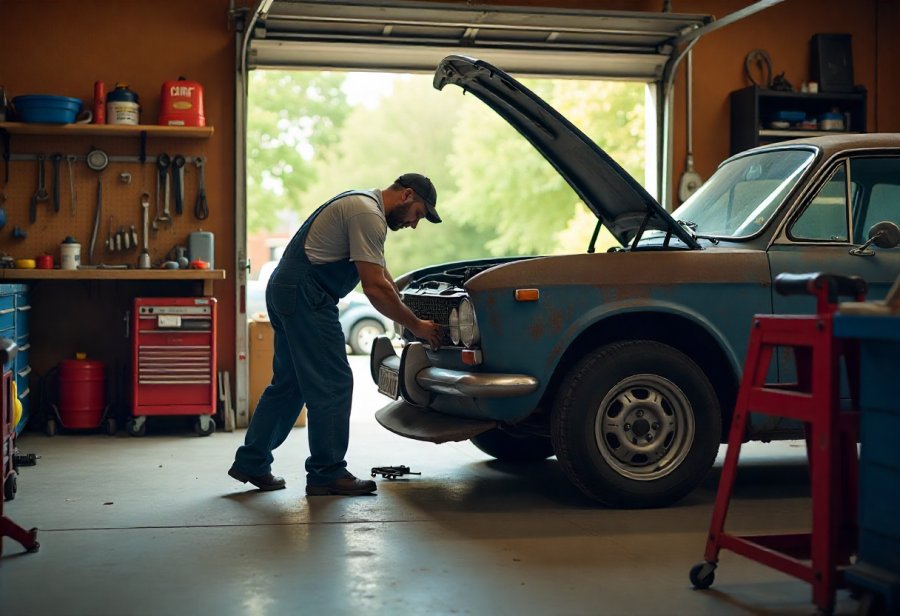
Today’s scene of backyard machine restoration reflects a blend of tradition and innovation. While fundamental skills like hand-tool work and careful disassembly remain central, modern hobbyists have gained access to a wealth of digital resources and advanced tools that make the process more accessible and efficient. Online forums, marketplaces, and tutorial videos open doors for beginners, allowing them to learn techniques that once took years to master. This democratization of knowledge has expanded the community, inviting more people to experience the satisfying challenge of restoring vintage machines.
New technologies are reshaping how backyard restorations are approached. Digital diagnostic tools enable precise troubleshooting of electrical systems, something previously reserved for professional shops. Cordless impact wrenches, portable air compressors, and electric soldering guns accelerate tasks without compromising accuracy. Some enthusiasts even experiment with small CNC machines or 3D printers to produce custom parts, blending traditional craftsmanship with modern engineering. These innovations help hobbyists work smarter, not just harder, while maintaining a sense of craftsmanship.
Approaches to restoration vary widely depending on individual goals and resources. Many focus on learning and experimentation, working with budget-friendly tools and parts, emphasizing patience and the joy of the process. Others treat restoration as a semi-professional pursuit, investing in higher-quality equipment and parts to achieve more refined results. This diversity makes backyard restoration accessible to everyone, whether it’s a casual hobby or a serious passion project.
However, rapid technological progress also poses a risk of undervaluing traditional skills. Hand-fitting parts or rebuilding engines with old-school techniques remains vital for preserving the craft. Practicing these methods ensures that the artistry of vintage restoration isn’t lost amid digital advances. Striking a balance between innovation and tradition keeps the craft vibrant, allowing new generations to appreciate the ingenuity behind every restored machine.
In this evolving landscape, the sense of community continues to thrive. Enthusiasts share their successes and setbacks, exchanging tips on sourcing parts or improvising solutions. Local meetups, online groups, and restoration clubs foster connection and knowledge sharing, reinforcing that this craft is as much about camaraderie as it is about machines. The garage remains a place where stories are exchanged and skills are passed down, ensuring the tradition endures.
Ultimately, the current state of backyard restoration is dynamic and inclusive. It combines the best of old-world craftsmanship with new tools and ideas, making the pursuit more approachable and rewarding. Each project, whether simple or complex, contributes to a living tradition that values patience, ingenuity, and a love for machines. The garage isn’t just a workspace; it’s a hub of creativity and resilience, keeping the spirit of vintage repair alive for generations to come.
Navigate the Financial Landscape of Restoring Classics and Vintage Machines
Restoration projects in a backyard garage can range from modest tune-ups to full-on vintage revivals, and that variability is reflected in the costs involved. For those just starting out or working on smaller repairs, expenses tend to stay low. Basic tools like wrenches, screwdrivers, and some replacement parts can often get the job done without a significant financial outlay. These projects are as much about learning and enjoying the process as they are about the final result, so affordability becomes a key consideration.
As projects grow in scope—say, restoring a classic car’s body or rebuilding an engine—the costs can escalate quickly. Original parts for vintage vehicles, especially rare or hard-to-find ones, often come with hefty price tags. Sometimes, finding these parts involves long searches through salvage yards or online marketplaces, which can add to the expense. Fabricating custom replacements or repairing heavily rusted components also increases costs but is often necessary to maintain authenticity.
Balancing spending and satisfaction is crucial. Many backyard restorers find that the personal fulfillment and skill-building outweigh the monetary investment. Sourcing parts from local salvage yards, online swaps, or fellow enthusiasts can significantly cut costs. Refurbishing existing parts instead of buying new is another way to save, especially when you’re willing to learn basic fabrication or repair techniques.
Investing in quality tools pays off over multiple projects. A reliable impact wrench, a sturdy engine hoist, or a good set of hand tools can make a huge difference in efficiency and ease of work. These tools often cost more upfront but tend to last longer and perform better, reducing frustration and time spent on repairs.
It’s worth noting that the financial aspect of restoration isn’t just about money—it’s about the value of experience and craftsmanship. Every dollar spent often translates into new skills, deeper knowledge, and a better end product. Many restorers see their projects appreciate in value, not just monetarily but in personal growth and pride.
Planning and budgeting from the start helps keep projects on track. Setting clear limits prevents costs from spiraling out of control and allows for better resource allocation. Whether you’re working on a quick tune-up or a comprehensive rebuild, understanding where your money goes ensures you stay motivated without financial stress.
In the end, backyard restoration is a dance of patience, resourcefulness, and passion. Each project becomes a story of turning a modest investment into something meaningful—an old machine brought back to life through ingenuity and dedication. The financial journey, while variable, always rewards those who balance effort with thoughtful planning, making every restored machine a true labor of love.
See How Backyard Restoration Transforms Daily Life and Personal Fulfillment
Working on projects in a backyard garage often has a surprising impact on daily life. For many hobbyists, it’s more than just fixing old machines—it’s a way to escape daily stresses and find a sense of calm. Tinkering with a vintage engine or restoring a classic car can be almost meditative, helping to clear the mind and reset mental focus. This hands-on activity provides a break from screens and deadlines, giving a sense of control and achievement that’s hard to find elsewhere.
The satisfaction of bringing a neglected machine back to life translates into a boost of confidence and pride. Each project completed, whether it’s tuning an engine or restoring a body panel, becomes a personal victory. These moments foster patience, problem-solving, and perseverance—skills that spill over into other areas of life. The process of working with your hands and seeing tangible results helps develop resilience and a can-do attitude that’s valuable beyond the garage.
Many backyard restorers share stories of how their projects have improved their overall well-being. Restoring a vintage motorcycle or a rusty pickup truck often becomes a family affair, creating opportunities for bonding and shared achievement. It’s common for hobbyists to display their finished projects proudly at local shows or simply enjoy the pride of cruising in a machine they’ve personally brought back from decay. These experiences build a sense of community and belonging, reinforcing that craftsmanship is as much about connection as it is about repair.
Beyond personal growth, these projects teach practical skills that help in everyday life. Troubleshooting mechanical problems, sourcing parts on a budget, or improvising solutions are all part of the learning curve. Over time, this resourcefulness becomes second nature, making daily tasks easier and more manageable. It reminds us that patience and persistence in the garage can translate into better problem-solving at work or home.
Working in a backyard garage often sparks a sense of purpose that extends beyond the mechanical. It’s about creating something meaningful with your own hands, fostering a mindset of resilience and pride. The act of restoring old machines becomes a metaphor for life’s challenges—requiring patience, ingenuity, and a steady hand. These moments of achievement and growth become lasting memories that influence how people face everyday hurdles with confidence.
In the end, backyard restoration is more than a hobby; it’s a form of personal renewal. Each project, big or small, reinforces the value of patience, craftsmanship, and resourcefulness. It transforms a simple garage into a space of empowerment and fulfillment, proving that sometimes, the most meaningful gains come from the act of bringing something old back to life.
Reveal Hidden Secrets and Rituals That Elevate the Craft of Mechanical Revival
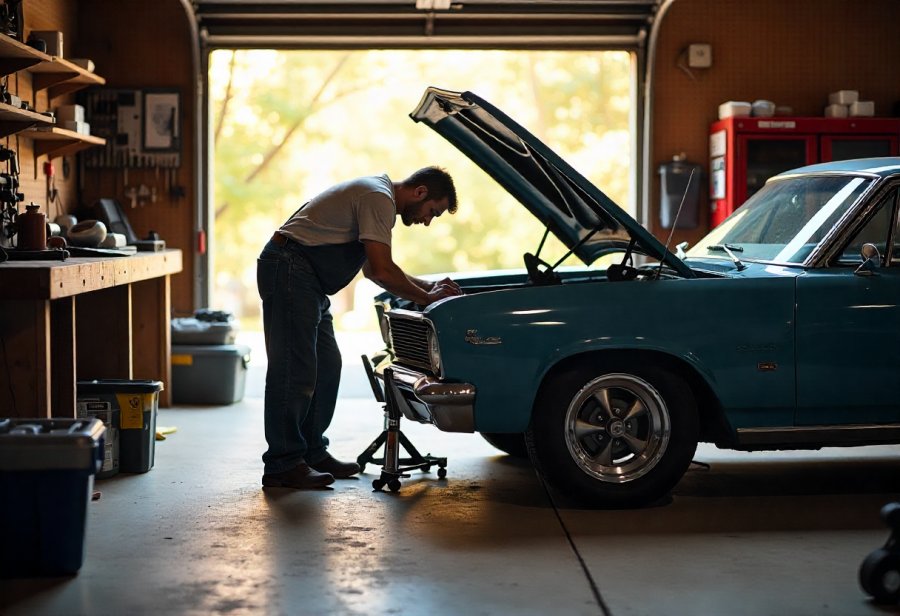
In the world of backyard mechanics, some of the most valuable secrets aren’t obvious at first glance. Many seasoned restorers swear by small rituals that can make a big difference, like pre-soaking stubborn bolts with penetrating oil days before attempting to loosen them. These subtle habits often mean the difference between a smooth repair and hours of frustration or damaging threads. It’s these routines that elevate routine repairs into a craft, turning simple tasks into acts of precision and patience.
Another hidden gem is the vintage hand-crank starter. While electric starters are common today, the hand-crank offers a level of finesse and control that’s invaluable when dealing with seized, rusted, or stubborn engines. Sourcing or fabricating these old tools might seem old-fashioned, but they can give a mechanic an edge, transforming difficult engines into manageable puzzles. Such tools are often kept as secret weapons, passed down or carefully collected, because they can save hours in a tight spot.
Marking parts during disassembly is a simple but powerful technique many overlook. Using scratch marks or color coding ensures parts go back in the correct orientation, preserving original alignments and preventing costly mistakes. Maintaining an organized workspace with labeled tools and sorted parts creates an environment where focus and precision thrive, making each project smoother and more efficient.
Many experienced restorers cultivate a ritual of meticulous tool maintenance and organization, turning routine cleanup into a mindful practice. Keeping tools rust-free, sharp, and well-kept isn’t just about cleanliness—it’s about ensuring consistent performance and longevity. Some also develop a secret stash of rare or vintage parts, sourced over years of hunting, which can be a lifesaver when facing tricky or obscure restoration challenges. These hidden caches often become the difference between a project stuck in limbo and one successfully completed with authenticity.
Finally, improvisation plays a crucial role. Skilled restorers often modify or repurpose everyday household items into specialized tools—metal rods become custom pullers, or old screwdrivers serve as alignment aids. These resourceful tweaks not only save money but also add a personal touch to the craft. Embracing these lesser-known rituals and techniques elevates backyard restoration from basic repair to true craftsmanship, preserving the art of vintage revival and keeping the spirit of ingenuity alive.