Imagine transforming daily walks from chaotic pulls to peaceful moments of connection—are you ready to unlock this harmony with your dog? Mastering calm walking isn’t just about loose leashes; it’s about building trust, communication, and mutual respect. This guide reveals how consistent routines, positive reinforcement, and understanding your dog’s body language can turn stressful outings into bonding experiences. From foundational techniques like “heel” to gradually introducing distractions, you’ll learn practical methods to foster focus and confidence in your pet. But challenges such as environmental distractions or anxiety can threaten progress—so how do you navigate these hurdles without setbacks? This comprehensive approach emphasizes patience, gradual exposure, and the right tools to develop a confident, well-behaved canine companion. In the end, calm dog walks don’t just improve behavior—they deepen your bond. Are you prepared to transform every outing into a shared moment of trust, peace, and joy?
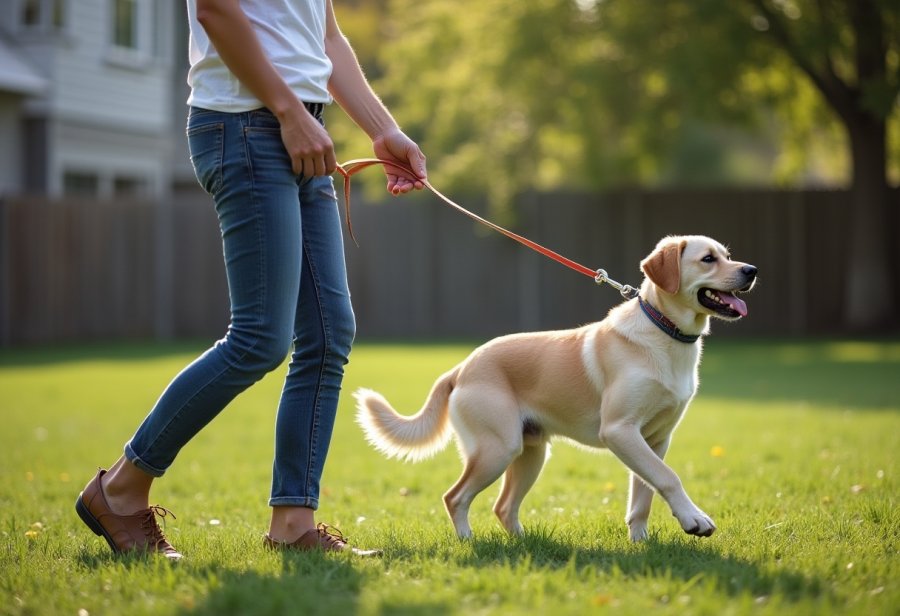
Mastering Calm Dog Walks: Building Trust and Connection
Walking calmly with your dog might seem straightforward, but it’s actually one of the most valuable skills you can develop as a pet owner. A relaxed, controlled walk isn’t just about preventing pulling or lunging; it’s about creating a moment of connection built on trust and mutual understanding. When your dog learns to walk beside you calmly, everyday outings become opportunities to strengthen your bond and improve communication.
This guide is designed to help you master the art of calm dog walking. It’s not just about training your pet to behave on a leash; it’s about teaching both of you to enjoy those shared moments. A peaceful walk sets a positive tone for your relationship, making outings safer, more enjoyable, and less stressful. Whether you’re just starting out or looking to refine your skills, understanding the importance of calmness during walks creates a strong foundation for a happier partnership.
Focusing on calm walks also benefits your dog’s well-being. When your dog walks with focus and confidence, it reduces anxiety and provides mental stimulation, which can help address problem behaviors at home. A leash walk rooted in patience and consistency encourages respect for personal space and reinforces you as a trusted leader. This mutual trust isn’t just about obedience—it’s about building a relationship based on kindness and clear communication.
The goal of this guide is to help you develop routines that promote calmness and focus during walks. You’ll learn how to establish effective cues, reinforce positive behaviors, and gradually introduce distractions. With patience and practice, everyday walks will become peaceful, bonding moments that deepen your connection and make outings more enjoyable for both of you.
Fundamentals of Dog Walking: Core Concepts for Success
Understanding the basics of dog walking is essential for creating a calm and effective leash routine. It starts with clear communication—your dog needs to understand your cues, and your responses should be consistent. Recognizing your dog’s body language helps you gauge their emotional state; relaxed dogs will have loose tails, soft eyes, and a calm posture, while signs of stress like stiff bodies or pinned ears mean it’s time to pause and reassess. Using the right tools, such as a well-fitting harness and sturdy leash, can make a big difference in control and comfort, setting a relaxed tone for the walk.
Creating a sense of safety during walks is just as important as teaching commands. Your dog should feel secure and attentive, not overwhelmed. Basic commands like “sit,” “stay,” and especially “heel” serve as anchors during outings, helping your dog focus on you instead of distractions. Consistency and patience are key—reward your dog for calm, attentive behavior, and avoid harsh corrections. This approach builds trust and transforms walks from chaotic routines into moments of connection.
Your dog’s body language is a vital communication tool. A relaxed dog is more likely to walk calmly, while signs of anxiety or discomfort indicate you should slow down or change your approach. Learning to read these signals allows you to intervene early, preventing issues like pulling or lunging. When your dog feels understood and secure, they’re more willing to cooperate, turning training into a positive shared experience.
Tools and equipment aren’t just accessories—they’re essential for success. A comfortable harness reduces strain on your dog’s neck and discourages pulling without causing discomfort. A reliable leash provides control while allowing enough freedom for your dog to explore safely. Treats are crucial for positive reinforcement, helping your dog associate good leash manners with rewards. Choosing the right gear creates a calm atmosphere that encourages confidence and learning.
Establishing routines and consistent expectations helps your dog anticipate and settle into proper walking behaviors. Regular walk times foster a sense of security, making training more effective. Short, frequent practice sessions in low-distraction environments build focus and confidence, laying the groundwork for tackling more challenging settings. As your dog improves, gradually introduce distractions to reinforce calmness in different environments.
Building good leash manners is a gradual process. setbacks are normal; what matters is your consistency and calmness. Keep training sessions positive and brief, rewarding your dog for their efforts. Over time, these core concepts will become second nature, resulting in walks that are peaceful, enjoyable, and strengthen your bond. With patience and persistence, you’ll lay a solid foundation for a lifetime of calm, confident walks together.
Techniques for Calm Dog Walking: Strategies for Relaxed Outings
Achieving calm dog walks relies heavily on clear communication and consistent practice. Teaching your dog to focus on you with the “heel” command is a proven technique. Begin in a quiet space, using treats to guide your dog into a relaxed, close position beside you. Reward immediately when they walk without pulling and stay attentive. As your dog improves, gradually introduce mild distractions and extend your walks. Reinforcing calm, focused behavior often helps your dog learn that staying by your side pays off.
Focus exercises are equally important. When your dog pulls or gets distracted, calmly stop moving and wait until their attention returns to you. Use treats, praise, or a gentle leash cue to redirect their focus. Once they’re attentive again, resume walking. Repeated practice teaches your dog that calmness and attention lead to positive results, boosting their confidence over time.
Creating a calm environment during walks makes a big difference. Start in familiar, low-distraction areas where your dog feels safe. Keep your pace steady, avoid sudden movements, and reward relaxed behavior. As they improve, gradually expose them to busier settings, rewarding calmness amidst the chaos. Step-by-step exposure builds resilience and focus, turning challenging situations into learning opportunities.
Building trust also depends on patience and positive reinforcement. Always praise or reward your dog when they respond correctly, even if only briefly. Consistency in cues and routines helps your dog understand what’s expected, making walks smoother and more relaxed. Over time, these techniques become habits that foster a confident, focused dog.
Integrate these methods into your daily routine through short, regular training sessions. Keep the mood upbeat and celebrate small wins. Patience and persistence will help your dog stay focused and calm, transforming daily walks into peaceful bonding moments. With dedication, you’ll create a walk routine rooted in trust and mutual understanding that benefits both of you.
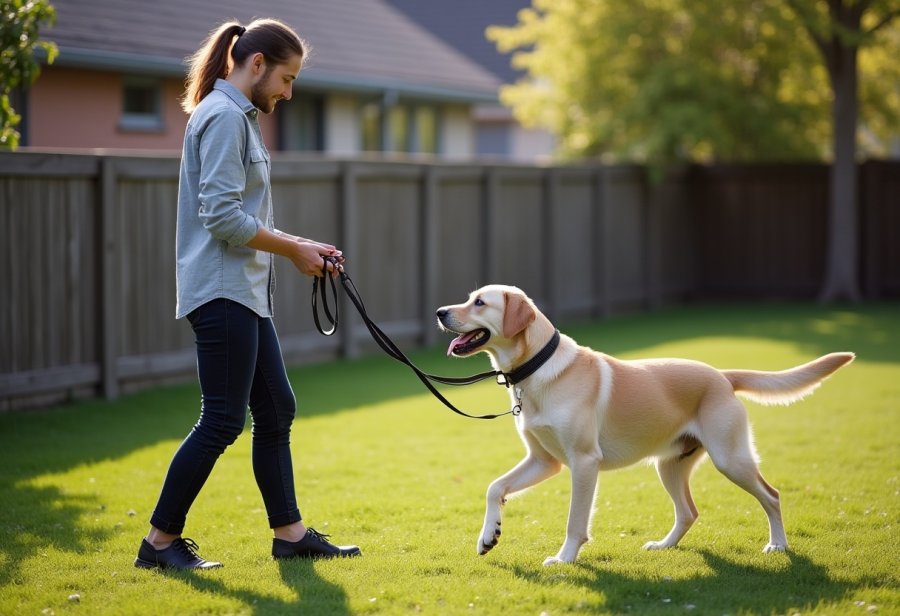
Practical Application: Turning Techniques into Daily Routine Success
To make your calm walking techniques a natural part of daily life, establishing a consistent routine is essential. Choose specific times each day for walks, so your dog can anticipate and prepare for calm behavior. Starting in familiar, quiet areas like your backyard or neighborhood streets helps your dog focus on commands such as “heel” and “focus,” with plenty of treats and praise to reinforce good habits. Keep sessions short—around five to ten minutes—to maintain your dog’s engagement and prevent overwhelm.
As your dog becomes more comfortable, gradually introduce more distractions, like busier parks or streets with other dogs and people. Practice your routines in these settings by maintaining your calm approach and rewarding your dog for staying focused. If they pull or become distracted, pause, call their name, and redirect their attention back to you. This pause-and-reward method teaches your dog that calm, attentive walking leads to positive outcomes, building their confidence and reliability over time.
Consistency among everyone involved in walks makes a big difference. Whether it’s family members or friends, all should use the same cues, routines, and rewards. This unified approach prevents confusion and helps your dog understand expectations, even in new environments. When facing challenging situations, like crowded streets or busy parks, slow down, and take it step by step. Gradual exposure reinforces calmness and focus, turning potential chaos into opportunities for learning and growth.
Celebrate small successes along the way. If your dog walks calmly for a few steps or responds well to a command, praise or reward immediately. These positive reinforcements encourage your dog to repeat those behaviors, reinforcing the routine and making training feel rewarding. Patience and persistence are key—over time, these routines will become second nature, transforming your daily walks into peaceful, bonding experiences that strengthen your connection and trust.
Financial Aspects of Dog Training: Investing Wisely in Tools and Resources
Training a dog to walk calmly at your side doesn’t have to be a costly endeavor, but investing in the right tools can make a significant difference in your progress. A sturdy, comfortable leash and a well-fitting harness are essential; they provide better control and comfort, reducing strain on your dog and helping prevent pulling. These items create a calmer environment during training and make daily walks more enjoyable for both of you.
Treats are another key investment. You don’t need to buy premium brands—low-cost, high-value treats work just as well for positive reinforcement. Using treats consistently to reward good behavior encourages your dog to stay focused and calm. Some owners incorporate toys or clickers into their routines, which can boost engagement without adding much expense. The goal is to choose reliable, durable items that motivate your dog without breaking the bank.
While professional training classes can accelerate learning, many pet owners find that online resources, books, and community workshops offer valuable guidance at a fraction of the cost. These options provide practical tips on leash manners and calm walking techniques that you can implement at your own pace. Setting a realistic budget for gear and training materials helps you stay consistent, which is crucial for long-term success.
Remember, ongoing expenses like treats, replacing worn gear, or occasional booster sessions do add up over time. Still, investing in quality supplies and consistent training pays off by fostering better behavior and a more peaceful walking routine. A well-trained dog enhances your daily outings, making them safer and more enjoyable, which makes the investment worthwhile.
Choosing affordable, durable gear and leveraging free or low-cost resources allows you to develop a calm, confident dog without overspending. Staying mindful of your budget encourages regular practice and keeps your training sustainable. In the end, this balanced approach ensures that your investment supports a happier, more harmonious bond—making every walk a rewarding experience for both of you.
Implementation Strategy: Action Plans for Training Progress
To put your training plan into action, establishing clear and realistic timelines is essential. Start by setting specific goals, such as mastering basic “heel” and “focus” commands within the first couple of weeks. Consistency is key—walk at the same times daily to help your dog anticipate what’s coming. This predictability builds confidence and makes it easier to develop good habits.
Responsibility should be shared if more than one person is involved. Everyone walking your dog should use the same cues, routines, and rewards. This unity prevents confusion and reinforces learning, no matter who’s handling the leash. Practice short, focused sessions—around five to ten minutes—to keep your dog engaged and prevent boredom or frustration.
Begin training in familiar, low-distraction areas like your yard or quiet neighborhood streets. Use these calm spaces to introduce commands and reinforce positive behavior with treats and praise. When your dog pulls or gets distracted, pause, call their name, and redirect their attention back to you. This pause-and-reward method teaches patience and helps your dog associate calm, focused walking with positive outcomes.
Gradually expose your dog to busier environments, increasing the level of distraction step by step. Maintain your routines, and always reward calm behavior. Track your progress regularly, noting what works and where your dog struggles. Adjust your timeline and responsibilities as needed, keeping training sessions brief and positive. Over time, these routines become second nature, transforming walks into peaceful, bonding moments that deepen your trust and connection.
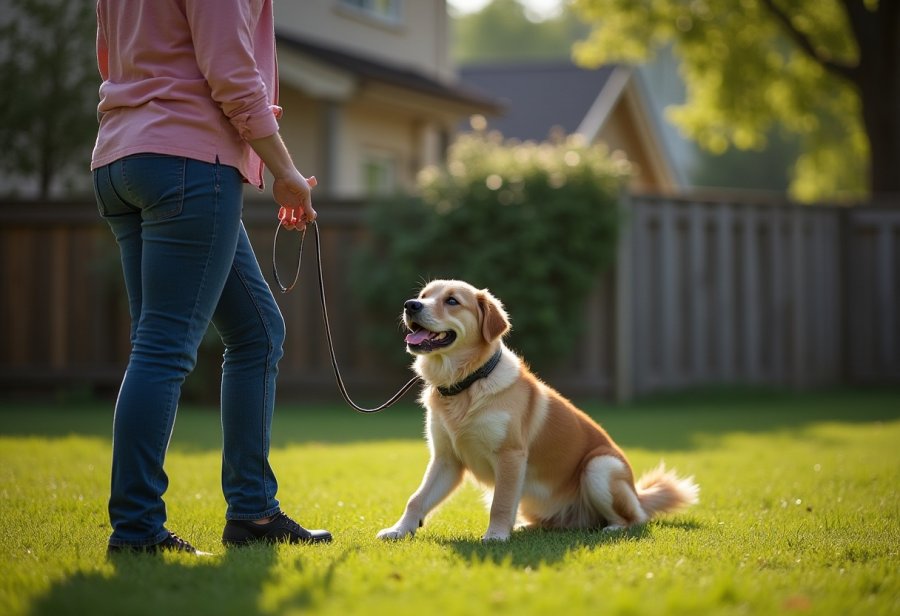
Challenges and Risks: Navigating Obstacles for Smooth Walks
Distractions are one of the biggest hurdles when walking with your dog. Loud noises, other animals, bicycles, or enticing scents can easily pull your dog’s attention away from you, leading to pulling, lunging, or stopping altogether. Starting training in quiet, familiar places helps your dog learn to focus on you and follow cues without being overwhelmed. As they improve, gradually introduce more stimulating environments, rewarding calm behavior amidst increased distractions to build resilience and confidence. This step-by-step approach reduces the risk of setbacks and keeps training manageable.
Anxiety and fear can also complicate walks, especially in new or busy settings. Some dogs become overwhelmed, which can cause resistance or even defensive reactions. Moving slowly, offering reassurance, and taking breaks when needed helps your dog build confidence at their own pace. Rushing or pushing through stressful situations often backfires, increasing anxiety and making training harder. Patience and gradual exposure are key to helping your dog develop a calm, trusting attitude.
Resistance or stubbornness may emerge if your dog isn’t clear on the expectations. If pulling or ignoring commands persists, revisit foundational cues like “heel” and “focus,” and reinforce them with treats and praise. A well-fitted harness can also reduce pulling without causing discomfort, making your dog feel more secure and willing to cooperate. Consistent routines and clear signals help prevent confusion and foster better cooperation over time.
Environmental changes, such as crowded streets or busy parks, pose additional challenges. These settings demand a slow, deliberate approach—start in quieter areas and gradually work up to busier locations. Always reward your dog for maintaining focus despite the chaos. Rushing into these environments without preparation can cause setbacks, so patience and step-by-step exposure turn potential chaos into opportunities for growth.
Health issues shouldn’t be overlooked. Pain, discomfort, or underlying medical conditions can make walks stressful for your dog and hinder progress. Regular vet checkups can identify and address these issues early, ensuring your dog is physically capable of participating in training. When health concerns are managed, your dog is more likely to stay engaged and responsive during walks.
By recognizing these obstacles early, you can develop effective strategies to prevent setbacks. Keeping routines consistent, practicing patience, and using positive reinforcement help turn challenges into learning moments. With a calm, confident approach, you’ll create a safer, more enjoyable walking experience that strengthens your bond and builds mutual trust. Challenges are part of the process, but they don’t have to derail your progress—they can actually deepen your understanding of your dog’s needs.