Imagine transforming water from a source of anxiety into a realm of confidence and joy—no matter your age. Learning to swim isn’t just for children; it’s a powerful skill that can open doors to adventure, safety, and personal growth at any stage of life. Even if fears rooted in childhood or unfamiliarity hold you back, supportive programs and gentle guidance can turn apprehension into achievement. With each small milestone—floating, breathing, swimming a few strokes—you reinforce your resilience and self-trust. The benefits extend beyond safety; swimming boosts physical health, relieves stress, and enhances mood, making it a sustainable part of a healthy lifestyle. Are you ready to take that first courageous step into the water? Discover how overcoming water anxiety can lead to newfound freedom, enriching your life with adventure, confidence, and a sense of empowerment you never thought possible.
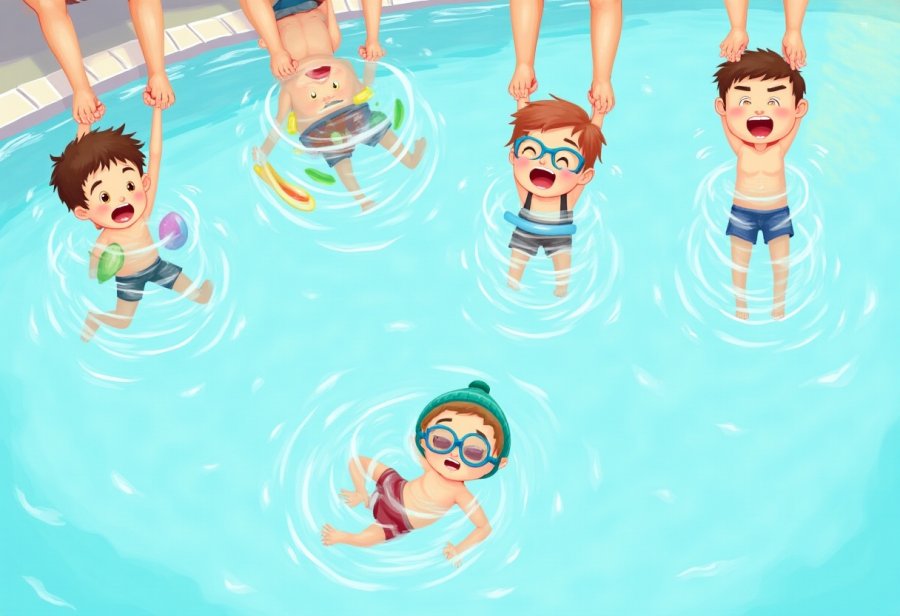
Unlocking Lifelong Confidence: The Transformative Power of Learning to Swim at Any Age
Learning to swim isn’t just a childhood milestone—it’s a skill that can serve you for a lifetime, no matter your age. Whether you missed out on lessons as a kid or are returning to the water after years away, taking that first step can feel intimidating. But the benefits of learning to swim go far beyond simply staying afloat. It’s about gaining confidence, enhancing safety, and discovering new ways to enjoy water activities. Learning to swim opens doors to adventures and experiences that many people never get to explore, regardless of age.
Many adults face worries or hesitations about the water, often rooted in childhood fears or unfamiliarity. These feelings are common and understandable. The good news is that with patience, gentle guidance, and consistent practice, overcoming water anxiety is entirely possible at any stage of life. Starting slowly and with supportive instruction helps build trust in your body and the water, transforming nervousness into confidence step by step.
Beyond the mental shift, physical benefits make learning to swim especially worthwhile. Swimming is a low-impact exercise that engages nearly every muscle group, boosting strength, flexibility, and cardiovascular health. It’s an effective way to stay active without stressing joints or risking injury. Many adults also find that swimming helps reduce stress and improve mood, making it a sustainable, enjoyable part of a healthy lifestyle.
Learning to swim can also boost your self-esteem in broader ways. Achieving small milestones—like floating or swimming a few strokes—strengthens your sense of capability and resilience. This newfound confidence often spills into other areas of life, encouraging you to face challenges with a more positive outlook and a sense of empowerment. It’s about more than just water; it’s about building trust in yourself.
Safety is another crucial reason to learn. Knowing how to swim can prevent accidents and provide peace of mind around pools, lakes, and oceans. Whether you’re relaxing on vacation or spending time with family, being comfortable in the water makes every experience safer and more enjoyable. It transforms water from a potential hazard into a space of joy and connection.
Today’s adult swimming programs have made it easier than ever to get started. Community centers, gyms, and online platforms offer beginner classes tailored specifically for adults. These programs prioritize creating a positive, non-judgmental environment where progress is celebrated and fears are addressed gradually. With the wide array of resources available, taking that first courageous step becomes less daunting and more achievable.
Starting to learn to swim at any age is a brave, rewarding decision. It’s an investment in your safety, confidence, and personal growth. The water is waiting, and with each small step forward, you’ll find yourself more capable and comfortable than you ever imagined. The journey may begin with a single splash, but it leads to a lifetime of freedom, fun, and new possibilities.
Foundations of Water Safety and Overcoming Fears: Essential Knowledge for Adult Learners
Many adults begin their water confidence journey by understanding basic safety principles. Knowing how to behave around pools, lakes, and oceans helps prevent accidents and makes swimming a more enjoyable experience. Simple rules like never swimming alone, paying attention to posted signs, and respecting your limits create a solid foundation. These habits are essential whether you’re in a community pool, a quiet lake, or a busy beach, allowing you to focus on learning and enjoying water rather than worrying about potential dangers.
Swimming offers numerous physical benefits that go beyond just having fun. It’s a low-impact exercise that engages nearly every muscle group, helping to improve strength, flexibility, and cardiovascular health. Regular swimming can also reduce stress and boost your mood, making it a perfect activity for adults seeking a sustainable way to stay active and healthy. The sensation of gliding through water feels gentle yet effective, encouraging consistency and making it easier to stick with your new routine.
Many adults face common fears related to water, such as drowning, feeling out of control, or not knowing how to respond in an emergency. These worries are normal and often rooted in childhood experiences or unfamiliarity. Recognizing that these fears are shared by many helps normalize the learning process. Addressing them gradually, with patience and support, makes overcoming water anxiety much more manageable. Starting in shallow water, practicing breathing exercises, and using safety gear like floatation devices can help build trust and confidence step by step.
Building water confidence is as much a mental journey as a physical one. Fears of panic or losing control can seem overwhelming at first, but with consistent practice and gentle guidance, those fears diminish. Techniques like visualization, deep breathing, and breaking skills into small, achievable steps help reframe anxiety into confidence. Supportive instructors who understand adult fears foster a safe environment, allowing learners to progress at their own pace and develop trust in their abilities.
Today’s adult swimming programs are designed to create positive, encouraging atmospheres. Whether through community classes, private coaching, or online tutorials, resources are more accessible than ever. These options help break down mental barriers and foster a sense of progress. Practicing outside of class with virtual guidance or instructional videos can reinforce skills and boost confidence, making the journey toward water comfort feel less intimidating.
Despite the progress in adult swimming education, some challenges remain, such as limited access to affordable classes or lingering fears. However, online platforms, supportive peer groups, and community resources offer flexible alternatives that fit different schedules and budgets. These tools allow learners to practice at their own pace, steadily building skills and confidence without feeling overwhelmed.
Ultimately, gaining water confidence is about transforming fear into freedom. With patience, persistence, and the right support, anyone can learn to enjoy water safely and confidently. This foundational knowledge and the gradual overcoming of fears set the stage for a lifelong relationship with swimming—one filled with joy, adventure, and personal growth.
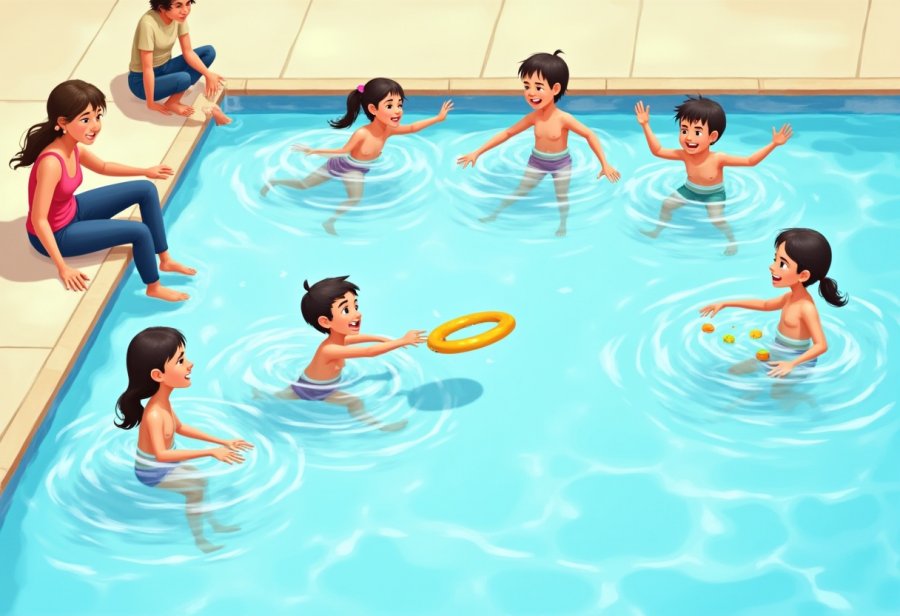
Navigating the Current Landscape: How Community Resources and Online Programs Make Swimming Accessible for Adults
Today, adult swimming education is more accessible than ever before. Community pools, gyms, and recreation centers now offer beginner-friendly classes tailored specifically for adults eager to overcome water fears and build confidence. These programs emphasize a supportive environment where learners can progress at their own pace, focusing on gentle techniques and gradual exposure to water. The rise of online platforms and virtual coaching further expands opportunities, allowing people to learn and practice from home or on flexible schedules. This increased availability helps remove barriers that might have previously kept adults from starting their water confidence journey.
Many adults experience fears rooted in childhood memories, unfamiliarity, or a sense of losing control in water. These mental barriers can make the idea of learning to swim feel intimidating. Fortunately, today’s classes and resources are designed to directly address these anxieties. Supportive instructors who understand adult fears foster a welcoming atmosphere, helping learners confront their worries through small, manageable steps. This approach minimizes panic and encourages trust, making progress feel more achievable and less overwhelming.
Overcoming swimming anxiety isn’t solely about physical skills; it’s also about mental readiness. Techniques like deep breathing, visualization, and breaking down skills into tiny milestones help reshape negative perceptions of water. Many programs incorporate these strategies, enabling learners to experience quick wins—such as floating or breathing comfortably—that reinforce progress and motivate continued effort. As confidence develops, adults often find themselves more willing to venture into deeper water or try new aquatic activities.
Despite these advancements, some challenges remain. Limited access to affordable classes, busy schedules, or lingering fears can slow progress for some. However, the proliferation of online tutorials, supportive peer groups, and community resources offers flexible options that suit various needs. Practicing at one’s own pace outside of formal lessons, supported by virtual guidance, helps solidify skills and build trust gradually.
The landscape of adult swimming education continues to evolve with a focus on inclusivity and encouragement. More people are taking control of their fears, supported by programs that prioritize safety, patience, and personal growth. These resources make water confidence attainable for a broader audience, regardless of background or experience level. With these options, starting your journey toward water comfort becomes less daunting and more within reach.
In this environment, progress is often steady but meaningful. Every small step—whether floating, swimming a few strokes, or simply feeling more relaxed in the water—marks a significant milestone. These moments build momentum, transforming hesitation into enjoyment and anxiety into confidence. The supportive community and accessible resources reinforce that learning to swim at any age is not only possible but also deeply rewarding.
As more adults embrace water confidence, they open themselves to new adventures, safety, and personal growth. The current landscape makes it easier than ever to take that first courageous step, knowing help and encouragement are readily available. It’s a reminder that no matter your starting point, the journey toward swimming confidence is a worthwhile investment—one that enriches your life in ways you might not have imagined.
Affordable Aquatics: Budget-Friendly Strategies to Learn and Enjoy Swimming
Learning to swim doesn’t have to drain your wallet. The biggest expense tends to be the cost of lessons, which can vary widely depending on your location, the experience of the instructor, and whether you opt for group or private sessions. Community pools and local recreation centers often offer affordable beginner classes, sometimes as low as $20 to $50 per session, making it accessible for most budgets. Private lessons, while pricier—typically between $50 and $100 or more per session—offer personalized guidance that can accelerate your progress and boost confidence faster.
In addition to lessons, safety gear plays a crucial role in your water confidence journey. Basic equipment like goggles, swim caps, and floatation devices are generally inexpensive but very effective. Goggles can cost under $15, and floatation aids are often available for less than $30. Borrowing gear from friends or family can be a smart way to save money during your initial stages, allowing you to focus on learning without feeling pressured to invest heavily upfront.
The cost of pool access also varies depending on where you live. Many community centers and gyms offer memberships, punch cards, or pay-per-visit options. While these can add up over time, discounts for residents or targeted programs for adult learners often make them more affordable. Some facilities even provide free trial periods or discounted introductory classes, easing newcomers into the water without a big initial investment.
For those mindful of expenses, online tutorials and instructional videos provide a cost-effective supplement to in-person lessons. Many resources are free or low-cost, enabling you to practice key skills at your own pace outside formal settings. This blended approach helps reinforce what you learn without stretching your budget, making water confidence an achievable goal for most.
Investing in water safety and swimming skills is a smart move that pays off in safety, independence, and peace of mind. The initial costs are often outweighed by lifelong benefits—being able to enjoy vacations, pool days, and water activities confidently, and to respond effectively in emergencies. Think of it as an investment in your wellbeing; the safety and freedom gained are priceless.
If budget constraints are a concern, starting small can make a significant difference. Look for community programs, discounted group classes, or online resources that require minimal financial commitment. Consistency matters more than spending large sums upfront—regular practice, patience, and persistence will lead to steady progress without financial strain.
Water confidence is within reach for most, regardless of financial situation. With a little research and strategic choices, you can find affordable options that fit your lifestyle. Every dollar spent on lessons and gear goes toward a safer, more enjoyable relationship with water—opening doors to adventures, relaxation, and a sense of achievement that lasts a lifetime.
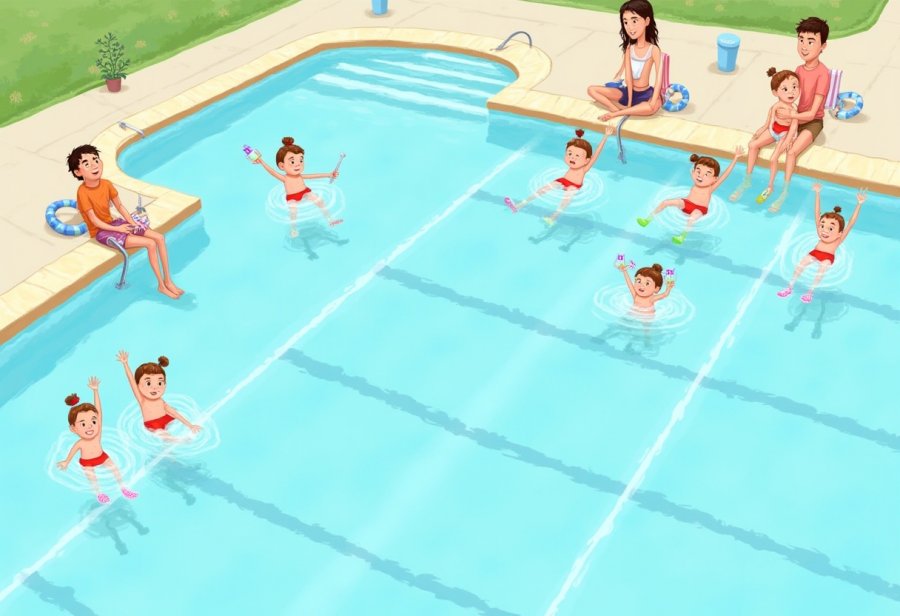
Water Wins: Real-Life Stories Showing How Swimming Enriches Daily Life and Boosts Self-Confidence
Learning to swim can have a profound impact on everyday life, opening up new opportunities and transforming how you experience water. When you’re comfortable in the water, activities like family vacations, pool outings, or weekend trips to the lake become sources of enjoyment rather than sources of anxiety. The confidence gained from mastering basic skills means you’re more likely to participate fully, whether it’s floating with children or dipping into deeper waters without hesitation. This sense of safety and ease encourages a more active, adventurous approach to water environments that once felt intimidating.
Many adults find that learning to swim boosts their overall self-assurance, often in surprising ways. Imagine finishing your first lap or floating calmly after a few lessons—these small victories can build momentum, making challenges outside the pool seem less daunting. For example, Sarah, who once avoided pools altogether, now swims regularly and travels to seaside destinations with confidence. Her story highlights how water skills translate into everyday empowerment, giving you the push to try new things and face fears head-on.
Beyond personal growth, water confidence also enhances safety for yourself and those around you. Being able to respond calmly and effectively in emergencies—whether it’s rescuing someone or simply staying afloat in a tricky situation—provides peace of mind. This preparedness reduces anxiety during water activities and allows you to enjoy them more fully. It’s not just about skills but about creating a mindset of readiness that makes water a space of fun and connection rather than worry.
Joining water activities becomes more accessible and enjoyable once you’re confident. Activities like kayaking, stand-up paddleboarding, or snorkeling suddenly seem less intimidating, encouraging a more active lifestyle. Many adults discover that conquering their fears leads to a broader interest in water sports and outdoor adventures. Each new experience reinforces the trust in your abilities, making water a source of joy and exploration rather than fear.
Even setbacks are part of the journey. Slow progress or old fears may resurface, but with continued practice and support, confidence steadily grows. Celebrating small wins—like floating or swimming a few strokes—keeps motivation high and underlines how far you’ve come. These moments not only mark milestones but also serve as reminders that overcoming water anxiety is a continuous process, one that enriches your life with each step forward. Learning to swim then becomes more than a skill; it’s a pathway to lifelong freedom and adventure.