Probiotics are often heralded as natural champions of digestive health, but do they truly deliver on their promises or are their benefits overstated? This comprehensive exploration reveals a nuanced landscape: while certain strains can help restore gut balance, reduce bloating, and support immune function, individual responses vary widely. The history of probiotics, rooted in traditional fermented foods, has evolved into sophisticated scientific research, yet much remains uncertain. Recent advances suggest a future where personalized probiotics could tailor support to each microbiome, but current understanding emphasizes caution and moderation. Are probiotics a reliable health tool or a costly placebo? This guide encourages informed choices, highlighting how their effects depend on strain, dosage, and individual health, urging readers to view them as part of a broader wellness strategy rather than a quick fix. As science progresses, staying vigilant will ensure probiotics serve as effective allies rather than fleeting fads.
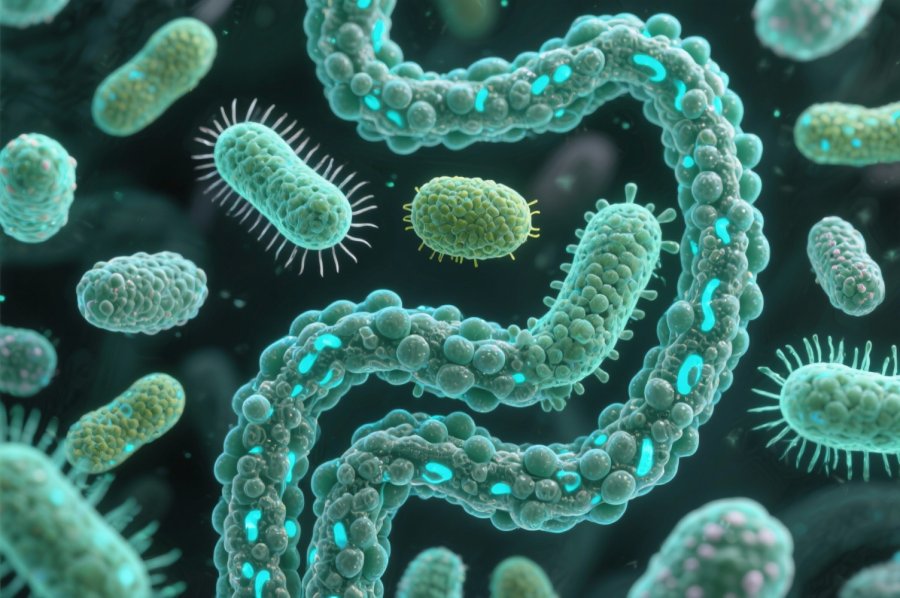
Unlocking the Power of Probiotics: A Modern Introduction to ‘Good Bacteria’
Probiotics have become a household term in recent years, popping up in grocery aisles, health blogs, and even skincare routines. They’re often praised as a simple way to support digestion and boost overall gut health, which makes them appealing to busy, health-conscious people looking for natural solutions. These “good bacteria” are live microorganisms that, when consumed in adequate amounts, can help restore or maintain a healthy balance of microbes in the digestive system.
The popularity of probiotics isn’t just a modern trend; it’s rooted in centuries of traditional eating. Cultures worldwide have long relied on fermented foods like yogurt, sauerkraut, kimchi, and kefir for their probiotic benefits—though they might not have called them that. Only recently has science begun to uncover how these microbes work inside our bodies, revealing their potential to influence not just digestion but immune health and even mood.
Despite the hype, probiotics are more complex than they might seem. Different strains of bacteria and yeasts serve different functions, and their effects can vary widely from person to person. Some may experience relief from bloating or more regular bowel movements, while others notice little change. This variability highlights the importance of understanding that probiotics aren’t a one-size-fits-all remedy but part of a broader, more nuanced health picture.
Research into probiotics has grown rapidly, and while many findings are promising, they often come with caveats. Evidence supports their use in specific cases—such as preventing antibiotic-associated diarrhea or easing irritable bowel symptoms—but results aren’t consistent across all strains or individuals. As science delves deeper, it’s clear that selecting the right strain, dose, and timing is key to harnessing their full potential.
Science has also revealed that our individual microbiomes—those unique communities of microbes living in our guts—play a significant role in how we respond to probiotics. What benefits one person might have little effect on another, making personalized approaches an exciting frontier. This evolving understanding encourages cautious optimism, reminding us that probiotics are tools rather than magic bullets for health.
While research continues, it’s important to approach probiotics with realistic expectations. They can be a helpful addition to a healthy lifestyle, but they’re not a substitute for balanced eating, exercise, or good sleep. Knowing their limitations and how they fit into your overall wellness routine helps ensure you’re making informed choices.
In the end, probiotics represent a promising but still developing area of health science. They hold potential for supporting digestion and immune function, but their true power depends on careful selection, proper use, and individual factors. Staying informed about ongoing discoveries will help you use probiotics wisely—maximizing their benefits while avoiding unnecessary hype.
Tracing the Roots of Probiotics: A Century of Discovery and Tradition
The understanding of probiotics has evolved significantly over the past century. The idea that certain microbes could benefit human health dates back to the early 1900s, when scientists first observed that fermented foods seemed to promote better digestion and overall wellness. A key figure was Elie Metchnikoff, a Russian microbiologist and Nobel laureate, who in 1907 suggested that consuming bacteria-rich foods like yogurt might help extend lifespan. He believed that these “good bacteria” suppressed harmful microbes in the gut, leading to improved health and longevity.
As microbiology advanced, researchers began to identify specific strains of bacteria and understand their roles within the gut’s complex ecosystem. Early studies focused on the natural presence of beneficial microbes in foods like sauerkraut, kimchi, and yogurt—foods that cultures around the world have relied on for centuries. Over time, scientists realized that adding these microbes intentionally could support health more reliably, leading to the development of targeted probiotic products. The ability to isolate and grow specific strains allowed for more precise formulations aimed at particular health outcomes.
The breakthrough in understanding probiotics accelerated with the advent of molecular biology and DNA sequencing technologies. These tools enabled scientists to analyze the exact microbial composition of fermented foods and within the human gut. They could now identify which bacteria and yeasts were involved, as well as their genetic makeup. This deeper insight revealed why some strains worked better than others and underscored the importance of strain-specific effects, sparking interest in designing probiotics tailored to specific health concerns.
Throughout the late 20th century, clinical trials and scientific research helped validate many early claims about probiotics. Studies demonstrated that certain strains could help with conditions like antibiotic-associated diarrhea, irritable bowel syndrome, and some infections. This growing body of evidence transformed probiotics from folk remedies into a recognized scientific field, emphasizing their potential to influence health beyond digestion alone.
Recent advances like high-throughput DNA analysis and microbiome mapping have expanded our understanding of the gut’s microbial diversity. Researchers now see probiotics not just as additional bacteria but as tools to support and restore a healthy microbial balance. This perspective recognizes that probiotics are complex and highly individual, with their effects depending on each person’s unique microbiome. As science continues to explore these frontiers, our grasp of probiotics is still developing, offering promising avenues for future health applications.
Overall, the history of probiotics reflects a journey from anecdotal observations to sophisticated scientific inquiry. Each breakthrough has brought us closer to understanding how these microbes can support human health, though much remains to be uncovered. The evolving science underscores that probiotics are not a simple fix but a nuanced tool that, when used wisely, could enhance well-being in ways we are only beginning to understand.

Navigating the New Frontiers: Current Perspectives and Scientific Debates on Probiotics
In recent years, the scientific understanding of probiotics has become increasingly sophisticated, revealing a landscape far more complex than earlier assumptions suggested. While initial studies often highlighted their potential to improve gut health, new research shows that individual responses to probiotics can vary widely. Some people experience noticeable relief from bloating, gas, or irregularity, while others see little to no benefit. This variability underscores that not all probiotic strains are created equal, and their effectiveness depends heavily on the specific bacteria used, the person’s existing microbiome, and their health status.
Debates within the scientific community focus on the strength and consistency of evidence supporting various health claims. For instance, while multiple clinical trials demonstrate that certain strains can help prevent or treat diarrhea—especially antibiotic-associated diarrhea—the results are often modest or inconsistent across different studies. Many experts agree that more large-scale, high-quality research is necessary to identify which strains work best for specific conditions and for whom. This ongoing discussion keeps the field dynamic, emphasizing that probiotics are best viewed as part of an overall health strategy rather than a quick fix.
Emerging research points toward a future of personalized probiotics tailored to individual microbiomes. Advances in microbiome analysis now allow scientists to identify the unique bacterial communities within each person’s gut. This opens the door to selecting strains specifically suited to restore or enhance an individual’s microbial balance. Although promising, this personalized approach is still in early stages, and widespread clinical application remains a goal for the future. For now, it highlights the importance of matching probiotic use with individual needs and conditions.
Beyond their digestive benefits, scientists are exploring how certain probiotic strains influence immune responses and overall health resilience. Some evidence suggests that probiotics can modulate immune function, reduce inflammation, and help the body fight infections. Yet, these effects are highly strain-specific and depend on a person’s immune health. While these findings are promising, they require more rigorous research to determine how probiotics might support overall wellness beyond the gut.
Despite the enthusiasm, researchers acknowledge many gaps remain. Long-term effects, safety concerns for vulnerable populations, and interactions with other medications are still being studied. The complexity of the human microbiome means that probiotics are not a universal solution but rather a nuanced tool that requires careful selection and application. As science advances, clearer guidelines will emerge, helping consumers and clinicians make more informed choices rooted in evidence rather than hype.
Overall, the current perspective on probiotics is one of cautious optimism. While they hold promising potential to support gut health and immune function, their effects are highly individual and strain-dependent. The evolving research encourages a balanced view—viewing probiotics as part of a broader approach that includes diet, lifestyle, and medical advice. This nuanced understanding will be essential as we move toward more personalized, effective use of these microbial allies.
Turning Knowledge into Action: Practical Ways to Incorporate Probiotics into Daily Life
Incorporating probiotics into your daily routine can be simple and effective. Starting with probiotic-rich foods like yogurt, kefir, sauerkraut, or kimchi offers natural sources of beneficial bacteria that support gut health. These foods are versatile and easy to add to meals, making it convenient to include them a few times each week. Eating a variety of fermented options also introduces different strains, enhancing their overall benefits and helping your microbiome stay balanced.
If you prefer supplements, choose reputable brands that clearly list the strains and CFU counts. Paying attention to these details ensures you’re getting a potent dose of beneficial microbes. Begin with the recommended dosage and observe how your body responds. Pairing probiotics with a diet rich in fiber, fruits, and vegetables feeds the good bacteria, promoting their growth and activity. This combination can lead to more noticeable improvements in digestion and overall gut health.
Adding prebiotics—found in garlic, onions, bananas, and asparagus—can further boost probiotic benefits. Prebiotics act as fuel for beneficial bacteria, helping them thrive and perform their functions more effectively. Incorporating both probiotics and prebiotics creates a synergy that supports a healthy, resilient microbiome. When introducing new probiotic foods or supplements, do so gradually to minimize any initial gas or bloating, allowing your gut to adapt smoothly.
Probiotics can be especially helpful during moments of digestive stress, such as after a course of antibiotics or during travel to unfamiliar environments. Consuming them in these times may aid in restoring microbial balance and reducing discomfort. However, it’s important to remember that probiotics are not a substitute for medical treatment when necessary. Consulting a healthcare professional before starting new supplements, especially if you have underlying health conditions, ensures safe and tailored use.
Using probiotics thoughtfully and consistently makes them a valuable part of your overall health strategy. They work best when paired with a balanced diet, regular exercise, and adequate sleep. Tracking how you feel and adjusting your intake accordingly can help you maximize their benefits. With a mindful approach, probiotics can support your digestive health and contribute to long-term wellness, complementing other healthy habits you already practice.

Looking Ahead: Future Directions and Informed Decisions in the World of Probiotics
Probiotics hold genuine promise for supporting digestive health, but their benefits are not guaranteed and depend heavily on individual factors. While certain strains can help restore gut balance, reduce bloating, and even strengthen immune responses, these effects vary based on your unique microbiome, health status, and how you use them. Recognizing this variability helps set realistic expectations and encourages a balanced approach to incorporating probiotics into your routine.
Research continues to evolve, revealing that many questions remain unanswered. We need more large-scale, long-term studies to understand how probiotics influence the microbiome over time and whether their benefits persist after stopping supplementation. Better evidence will guide us in selecting effective strains, appropriate doses, and understanding potential risks, especially for vulnerable populations. Until then, viewing probiotics as a helpful tool rather than a cure-all ensures a grounded perspective.
The future of probiotics points toward personalized therapies tailored to each person’s microbiome. Advances in microbiome analysis are making it possible to identify specific bacterial communities and select strains that best support individual health. Though this approach is still in development, it promises more effective, targeted interventions that maximize benefits and minimize risks—offering a more precise way to support your gut health.
Alongside their role in digestion, some probiotic strains show potential in modulating immune function and enhancing overall resilience. While these effects are promising, they are highly strain-specific and depend on individual immune health. More rigorous research is needed to clarify how probiotics can support broader wellness beyond the gut, but the prospects are encouraging.
Despite the excitement, experts acknowledge that many gaps remain in our understanding. Long-term safety, interactions with medications, and effects on the broader microbiome are still under investigation. Probiotics are not an instant fix but a nuanced tool that, when used thoughtfully, can contribute meaningfully to your health. Staying informed and cautious helps ensure you make choices rooted in science rather than hype.
Looking ahead, innovations in microbiome research, new strains, and personalized approaches are poised to transform probiotic use. As these technologies develop, we can expect safer, more effective products tailored to individual needs—making probiotic therapy smarter and more reliable. This progress will help maximize their benefits while reducing unnecessary risks.
Ultimately, making smart decisions about probiotics involves balancing curiosity with caution. They can be valuable additions to a healthy lifestyle but are no substitute for foundational habits like balanced eating, regular exercise, and good sleep. Staying informed about the latest science empowers you to incorporate probiotics in a way that genuinely supports your long-term health, with realistic expectations and a clear understanding of their potential and limits.