Few moments capture pure, unfiltered happiness like a dog’s joyful outdoor walk, where wagging tails and curious eyes reveal a bond rooted in exploration and trust. These routines aren’t merely exercise—they’re vital for a dog’s mental, emotional, and physical well-being, offering sensory stimulation and natural instincts a chance to thrive. But why do these simple outings evoke such profound joy for both pets and owners? As science highlights the health benefits and emotional rewards, the language of canine body signals becomes essential for understanding their happiness and stress. With mindful adjustments—varying routes, incorporating play, and using supportive tools—walks can transform into enriching adventures, deepening connections. Looking ahead, technological innovations and community spaces promise even more personalized, sustainable outdoor experiences. Amidst these advances, the core remains unchanged: a shared moment of discovery that nurtures trust, happiness, and lifelong bonds—reminding us that sometimes, life’s greatest joys come from the simplest steps outside.
Discover the Pure Joy of Outdoor Walks With Your Dog
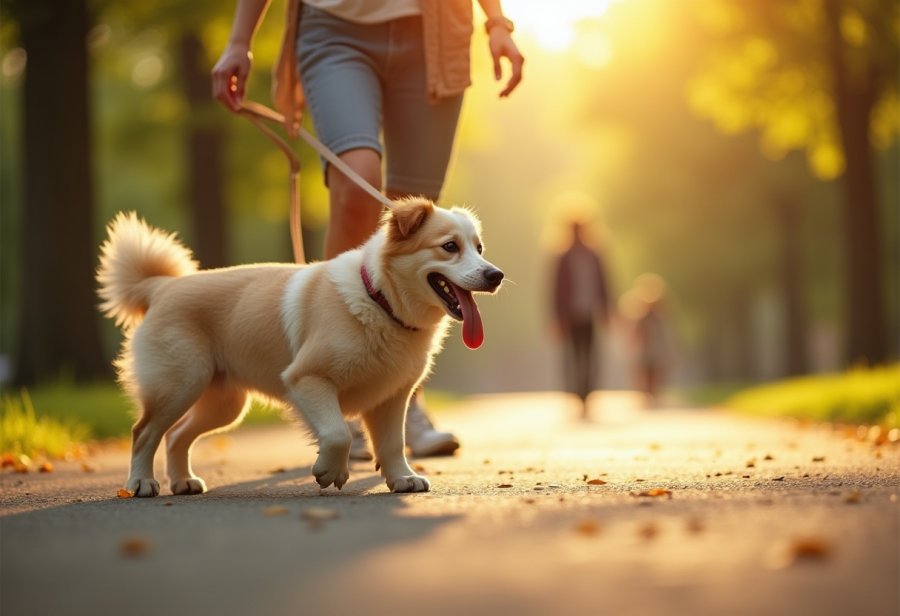
Few moments in life capture pure, unfiltered happiness quite like a dog’s joy during an outdoor walk with their favorite person. Watching a dog’s tail wag enthusiastically, their nose sniffing eagerly at every new scent, and their eyes shining with curiosity reminds us of the simple pleasures that often go unnoticed. These walks aren’t just about physical movement—they’re a celebration of discovery, freedom, and companionship that energize both dog and owner.
For dogs, outdoor walks fulfill natural instincts to explore, hunt, and investigate. They get to follow enticing scents, listen to new sounds, and observe the world around them with fresh eyes. These experiences stimulate their minds and satisfy their curiosity, turning routine outings into adventures. It’s in these moments that dogs feel truly alive—confident, engaged, and happy. Their genuine enthusiasm is contagious, making each walk a small but meaningful highlight of their day.
Owners, too, benefit profoundly from these shared experiences. Beyond the physical exercise, walks become a chance to unwind and reconnect in a busy world. Seeing their dog’s unbridled joy and trust fosters a deeper bond, built on mutual understanding and affection. These outings often serve as a calming pause—a break from screens and stress—where both can breathe, explore, and simply enjoy each other’s company.
The importance of outdoor walks extends beyond fleeting happiness. They nurture a dog’s mental and emotional well-being by providing a safe space for natural behaviors. Exploring new environments broadens their perspective, builds confidence, and helps prevent behavioral issues rooted in boredom or anxiety. For owners, witnessing these transformations reinforces the value of routine outdoor time as a cornerstone of their pet’s health and happiness.
In a world that often moves too fast, these simple walks stand out as moments of genuine connection and joy. They remind us that the best parts of life are often the most straightforward—an open trail, a wagging tail, and the shared delight of discovering the outdoors together. In those quiet, happy moments outside, both dogs and owners find a sense of peace, trust, and happiness that lingers long after the leash comes off.
Unveiling the Science Behind Walks and Happiness
Outdoor walks offer more than just a change of scenery for dogs; they have tangible benefits backed by science that influence both their minds and bodies. Regular exercise helps maintain a healthy weight, strengthens muscles, and boosts heart health, reducing the risk of common issues like obesity, joint problems, and diabetes. These physical gains are essential for a dog’s overall vitality and longevity, making walks a key component of their daily health routine.
But the advantages extend far beyond physical fitness. Exploring new environments stimulates a dog’s brain, encouraging curiosity and problem-solving. Sniffing out scents, investigating sights, and listening to unfamiliar sounds engage their mental faculties, helping to ward off boredom and destructive behaviors such as excessive barking or chewing. When a dog’s mind is actively engaged, they tend to be calmer, more relaxed, and happier at home.
Dogs have inherited a natural explorer’s instinct from their ancestors, who relied heavily on their senses to hunt and navigate. This primal drive to follow scents and investigate new textures is still very much alive. Outdoor walks reconnect dogs with these ancestral behaviors, providing a sense of purpose and confidence. As they follow their noses, dogs experience joy and satisfaction that reinforce their emotional well-being.
The combination of physical activity and mental stimulation creates a powerful effect: it reduces stress and anxiety, leading to a more balanced demeanor. Scientific studies show that dogs who receive consistent outdoor exercise display fewer behavioral problems and exhibit greater overall contentment. In essence, a walk is not just about movement—it’s a vital activity that nurtures emotional health and confidence.
A joyful walk is also about sensory engagement. Scenic surroundings like parks or trails ignite their senses, making each outing feel like a new adventure. Allowing dogs to sniff, explore, and encounter different textures mimics their natural behaviors, turning routine walks into stimulating experiences. When owners encourage this natural curiosity and reward calm exploration, they help foster a sense of trust and happiness that lasts well beyond the walk itself.
Finding the right routine is crucial. While some dogs benefit from longer, leisurely strolls that allow full exploration, others thrive on shorter, more frequent outings. Tailoring walks to your dog’s breed, age, and personality ensures they remain positive and healthful. Recognizing when your dog needs a break or a change of scenery helps prevent overstimulation, making each walk a rewarding experience that supports their physical and mental well-being.
Decoding Canine Happiness Through Body Language
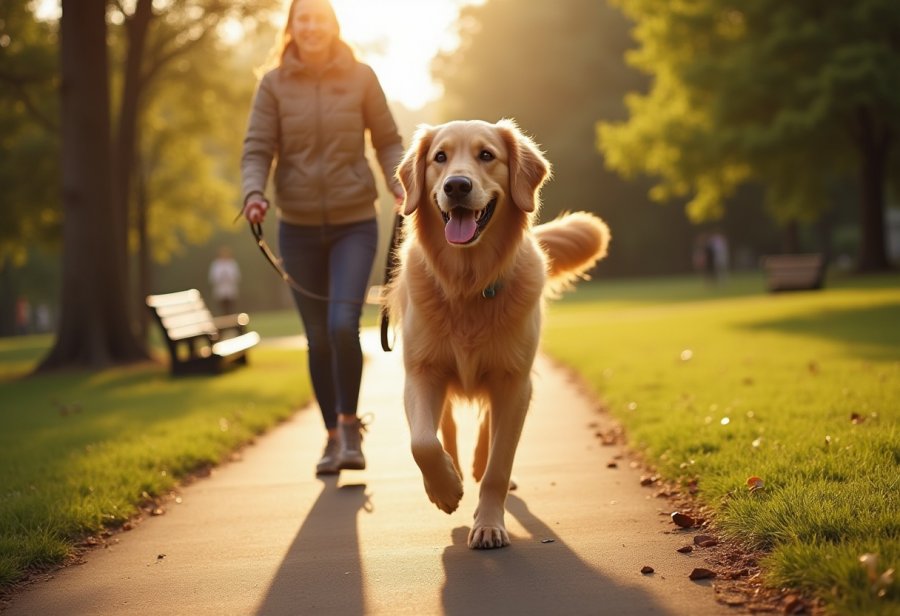
Dogs communicate their feelings during walks through a rich language of body signals and behaviors. When they genuinely enjoy an outing, their tail wags enthusiastically, body relaxed, and ears perked with curiosity. These signs show they’re engaged and happy, eager to sniff new scents or explore intriguing sights. Soft eyes and a trusting expression reflect contentment, and they may approach other dogs or objects with confidence. Recognizing these cues helps owners understand their pet’s emotional state, ensuring each walk remains positive and fulfilling.
Signs of overstimulation or discomfort are just as clear. Lip licking, yawning, or pulling away from certain areas can indicate stress or fatigue. Some dogs fixate on specific scents or sounds, which might cause anxiety if not managed carefully. Being attentive to these subtle signals allows owners to adjust the pace or environment, preventing a walk from becoming overwhelming instead of joyful.
A dog’s happiness during a walk is often visible through relaxed, lively body language. A loose, wagging tail and soft eyes reveal genuine joy, while a relaxed posture shows comfort. When they sniff eagerly or bounce with playful energy, it indicates full immersion in the moment. Conversely, tense muscles or pulling on the leash suggest overstimulation or unease. Tuning into these signals helps owners read their dog’s emotional map, making it easier to foster positive experiences.
Observing a dog’s body language during walks offers insights beyond words. Their signals reveal whether they feel safe, curious, or overwhelmed. When a dog is truly enjoying themselves—tail wagging, ears forward, relaxed muscles—it’s a sign of genuine happiness and trust. Recognizing these cues deepens the bond and allows owners to tailor outings that suit their pet’s mood and needs.
Understanding this canine language isn’t just about safety; it’s about building trust and mutual understanding. When owners notice signs of contentment, they can encourage behaviors that enhance the experience. Conversely, recognizing signs of stress helps prevent negative associations, ensuring walks remain a source of joy rather than discomfort.
When owners listen to their dogs’ signals, each walk becomes more than a routine—it transforms into a shared adventure of trust and happiness. These moments of silent communication strengthen their bond, turning simple outings into meaningful exchanges. Dogs are expressive creatures, and paying attention to their body language unlocks a deeper understanding of their inner world.
By attuning to these cues, owners can make outdoor walks more enriching and enjoyable for their pets. Every tail wag, soft gaze, or relaxed posture confirms that a dog is experiencing genuine happiness. This shared language of body signals fosters a relationship rooted in trust and affection, making every walk a celebration of natural instincts and companionship. In these quiet, expressive moments, dogs remind us that true joy is often found in the simplest expressions of connection.
Transform Routine Walks Into Engaging Adventures
To make outdoor walks more engaging and enjoyable for your dog, start by varying your routes. Changing scenery, scents, and sounds keeps their curiosity piqued and prevents routine boredom. Incorporate small play sessions or training exercises—like practicing commands or introducing new tricks—along the way. These activities boost your dog’s confidence and turn each outing into a rewarding experience. Using a well-fitted harness instead of a collar can also prevent discomfort and give you better control, especially if your dog is energetic or pulls on the leash.
Timing matters too. Planning walks during quieter parts of the day, such as early mornings or late evenings, can help dogs that get overwhelmed easily. Avoiding crowded streets or busy parks reduces stress and makes the walk more relaxed. If your dog is nervous around other animals or people, introduce new environments gradually and reward calm behavior. Small adjustments—exploring different paths or nearby areas—keep their senses stimulated and help prevent boredom, transforming everyday outings into adventures that deepen your bond.
Investing in simple tools can significantly enhance your walking routine. A properly fitting harness not only improves control but also reduces strain on your dog’s neck. Reflective gear increases safety in low-light conditions, making evening or early morning walks worry-free. Bringing along favorite toys or treats can encourage your dog to explore more and stay focused. Training aids like clickers or treat dispensers can reinforce good manners and commands while on the move, ensuring smoother, more enjoyable outings for both of you.
Stay attentive to your dog’s cues during walks. Use the time to reinforce basic commands like “sit,” “stay,” or “leave it,” which improve obedience and mental engagement. Encourage sniffing and exploring—honoring their natural instincts—and reward calm, focused behavior. If your dog shows signs of fatigue or overstimulation, slow down, take breaks, or choose a calmer environment. Showing that you’re tuned into their needs builds trust and makes each walk a positive experience.
Exploring beyond your usual routes can add variety and excitement. Join a dog-walking group or visit pet-friendly parks with designated trails. These settings provide social opportunities and new sights and smells, enriching your dog’s outdoor experience. Participating in community outdoor training classes or events fosters socialization and learning, making walks more dynamic and meaningful. These small changes turn routine outings into shared adventures that strengthen trust and deepen your connection.
Finally, remember that consistency is key. Regular walks tailored to your dog’s breed, age, and personality create a routine they can rely on. Adjust the length, pace, and environment as needed to keep things fresh and positive. When you pay close attention to your dog’s responses and preferences, walks become a source of joy rather than a chore. Over time, these thoughtful adjustments help build a stronger bond, turning everyday walks into treasured moments of trust, exploration, and happiness.
Embracing the Future: Innovations and Insights in Canine Outdoor Activities
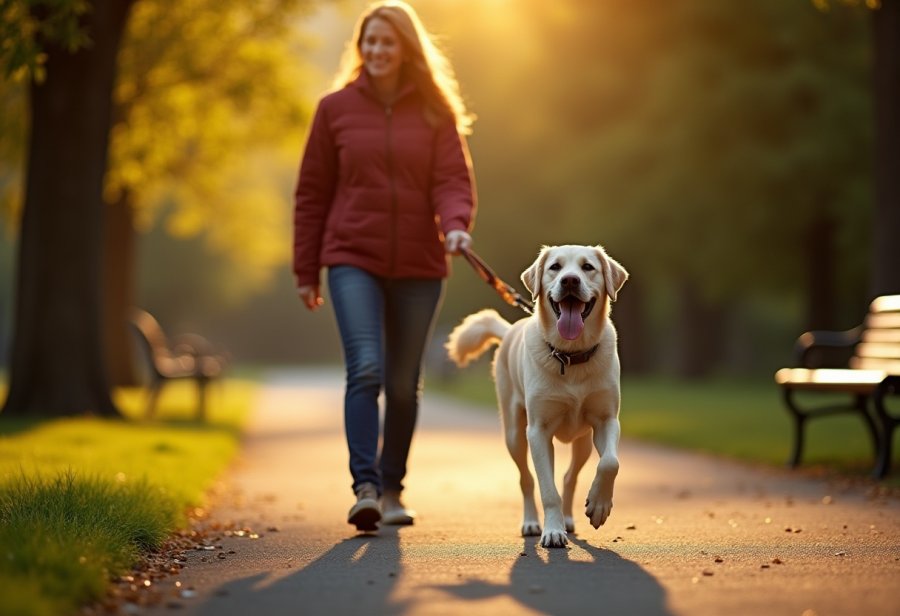
Looking ahead, outdoor activities for dogs are set to become even more personalized and engaging. Innovations like GPS trackers, interactive toys, and smart harnesses are transforming the way owners bond with their pets, making walks safer and more stimulating. These tools allow for better monitoring, encourage mental engagement, and enhance safety, giving both dogs and owners peace of mind. Alongside technology, there’s a growing emphasis on eco-friendly gear and community-designed spaces, reflecting a wider awareness of sustainability and social connection.
Despite these advancements, the core value of outdoor walks remains unchanged. They continue to be moments of trust, exploration, and shared happiness. New products and routines aim to deepen these experiences, turning routine outings into meaningful adventures. Whether through scent games, agility challenges, or environmentally conscious accessories, the focus is on activities that tap into a dog’s natural instincts, making each walk a rich sensory experience.
Community resources also play a vital role in shaping the future of outdoor activities. More parks, trails, and dog-friendly spaces are opening up, offering opportunities for socialization and discovery. Group hikes, outdoor training classes, and local events encourage owners and dogs to explore together, fostering a sense of belonging and shared adventure. These developments help transform everyday walks into opportunities for growth, joy, and connection.
While technology and community initiatives evolve, the essence of a walk stays rooted in simple, authentic moments. Dogs thrive on the freedom to sniff, wander, and explore at their own pace, and owners find fulfillment in witnessing their pet’s genuine happiness. By tailoring routines to individual needs and interests, owners can reduce stress and enhance overall satisfaction, making outdoor time a cornerstone of well-being.
The focus on mindful routines and responsible practices will shape the future landscape. Eco-conscious gear, sustainable outdoor spaces, and ethical training methods are gaining popularity. This shift ensures that outdoor adventures remain not only fun and enriching but also environmentally respectful and socially responsible.
Personalization will become key, with routines designed to suit each dog’s breed, age, and personality. This approach fosters a deeper bond, as both pet and owner share experiences that are meaningful and tailored. The goal is to create a balanced mix of fun, discovery, and trust that enriches their relationship.
In the end, the simple act of walking outdoors remains one of the most powerful ways to nurture happiness and trust. It’s a timeless, instinct-driven activity that continues to evolve with technology and community spirit, always centered on connection. These shared moments of exploration and joy build a foundation of trust, love, and mutual understanding, ensuring that every walk is not just a routine but a treasured chapter in their lifelong bond.