Learning to ride a bike is more than a childhood milestone; it’s a profound journey of courage, independence, and resilience. This universal rite of passage, celebrated across cultures, symbolizes trust in oneself and support from loved ones. Yet, the fear of falling often challenges young riders more than the pedals themselves, raising a vital question: does the thrill of independence outweigh the fear of failure? As children wobble, tumble, and eventually glide confidently, they learn that setbacks are temporary lessons on the road to mastery. Families play a pivotal role, turning practice into bonding moments that foster perseverance and emotional strength. Beyond physical coordination, riding a bike teaches vital life skills—trust, persistence, and the importance of support—while igniting a spirit of adventure. Can overcoming fear unlock not only a child’s independence but a lifelong mindset of resilience and hope?
Discover the Power of Learning to Ride a Bike: A Milestone of Courage and Independence
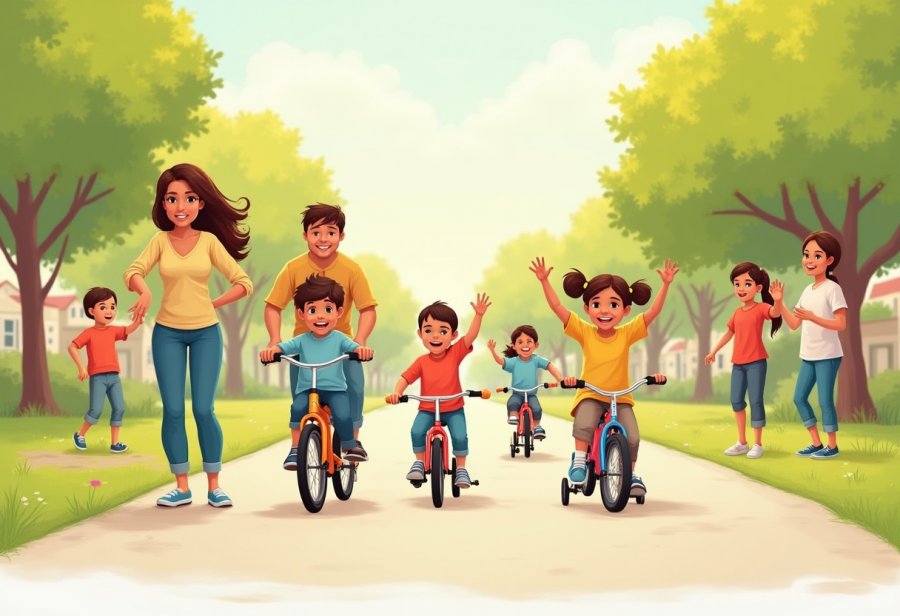
Learning to ride a bike is more than just mastering a new skill; it’s a milestone that represents growth, independence, and connection. For children, those first wobbly pedals often mark a turning point—from relying on adults for support to exploring the world on their own. It’s a moment filled with a mix of nervousness and excitement, laying the foundation for confidence that lasts well beyond childhood. The simple act of balancing and pedaling is a powerful symbol of taking that first step toward self-reliance.
This experience often becomes a cherished family memory. Parents and siblings become part of the journey, offering encouragement and steadying hands as children learn to trust their own abilities. Those shared moments—whether it’s a parent jogging alongside or a sibling cheering from the sidelines—strengthen emotional bonds and create a sense of teamwork. Every small victory, from staying upright to pedaling further, is celebrated as a step toward independence and resilience.
Learning to ride is also a universal rite of passage that transcends cultures and communities. In many societies, it’s seen as a key moment in a child’s development, symbolizing progress and the courage to face new challenges. Whether in bustling cities or rural villages, the bicycle represents more than just transportation; it’s a tool for growth, exploration, and social connection. The process is often accompanied by stories of perseverance, emphasizing that overcoming fears is part of becoming more confident.
Physically, riding a bike demands coordination, balance, and muscle control, but the mental aspect is equally significant. Overcoming the fear of falling requires trust—trust in oneself and in the support system around them. As children wobble and tumble, they learn that setbacks are normal and temporary. With patience and encouragement, these falls become lessons rather than failures, helping kids build resilience and a growth mindset.
Ultimately, learning to ride a bike is a symbolic journey—one that involves facing fears, embracing independence, and celebrating small victories. It’s a shared experience that teaches children invaluable lessons about perseverance, trust, and the joy of discovery. These moments of growth and connection remind us that sometimes, the most meaningful milestones happen when we least expect them, on two wheels and full of possibility.
Unveiling the Cultural Significance of Bike Riding Across Societies
Bike riding has long carried deep cultural significance that extends beyond simple recreation. In many societies, learning to ride a bike marks a pivotal step in a child’s journey toward independence and self-confidence. In Western countries, it’s often celebrated as a rite of passage—an emblem that a young person is beginning to explore beyond their immediate family circle and embrace the wider world. These moments are frequently marked by family traditions, local community events, and shared stories of perseverance that linger for years.
In contrast, in various parts of the world, bicycles serve as vital tools for daily life, connecting children to schools, markets, and social opportunities. For these communities, mastering bike riding isn’t just about fun; it’s a practical skill that enables access to education, work, and social mobility. A child confidently pedaling to school or helping with errands becomes a symbol of resilience and community strength, highlighting how cycling fosters both individual growth and collective progress.
Historically, the act of learning to ride has evolved from a simple childhood activity into a powerful symbol of perseverance. In earlier generations, families relied heavily on patience and gentle encouragement, guiding children through balancing and coordination. As safety gear like helmets and pads became more common, the process became safer and less intimidating, encouraging more children to take their first confident pedal strokes. These innovations reflect an understanding that gradual exposure and protection make learning more accessible.
Across different cultures, stories of children learning to ride often emphasize themes of overcoming fear and embracing challenges. In Japan, teaching patience and community support underscores shared values of perseverance. In African and Latin American regions, riding a bike frequently symbolizes resilience—navigating physical balance while also managing social navigation. These narratives reinforce cycling as a universal metaphor for progress, hope, and collective effort.
Teaching methods have also shifted over time. While earlier generations emphasized gentle guidance and slow, steady practice, today’s tools—such as balance bikes and structured lessons—make learning more approachable. These innovations streamline the process, making it easier for children to develop skills at their own pace, reducing frustration, and fostering confidence from the start. This evolution underscores a broader understanding: that learning is most effective when tailored to a child’s needs.
Despite cultural and methodological differences, the core message remains consistent: learning to ride a bike is a universal milestone in childhood development. It symbolizes more than just physical skill; it embodies resilience, independence, and hope. Whether in bustling cities or rural villages, the bicycle stands as a powerful emblem of growth, exploration, and social connection—reminding us all that perseverance and community support are key to overcoming challenges and reaching new horizons.
Mastering Balance and Confidence: The Core Skills of Learning to Ride
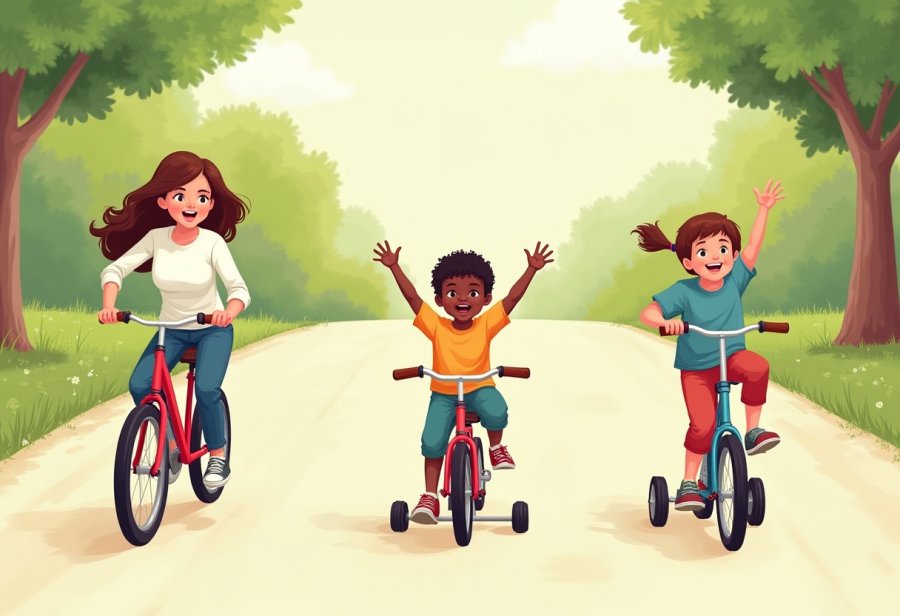
Learning to ride a bike involves a delicate balance of physical coordination and mental resilience. At its core, the key is mastering balance—keeping the bike steady while moving forward. This requires the coordination of muscles across the core, legs, and arms, which takes practice to develop fully. Initially, children wobble and often fall, but with each attempt, their muscles learn to respond more instinctively, making the process smoother over time. Pedaling and steering add layers of complexity, demanding fine motor control and timing that improve gradually as confidence grows.
On the psychological side, overcoming fear is just as crucial as building physical skill. Many children face a natural hesitation rooted in the fear of falling, which can hinder progress. Developing confidence involves trusting their own abilities and accepting that falls are a normal part of learning. Support from parents, mentors, or siblings plays a vital role here, providing reassurance and encouragement that help children push through moments of doubt. As they see that setbacks are temporary and manageable, resilience begins to take hold.
The learning process often unfolds in stages. In the beginning, children feel unstable and may wobble or tumble frequently. During this phase, the focus should be on staying upright, often with training wheels or support from a guiding hand. Gradually, as muscles strengthen and confidence builds, they start to glide longer distances, pedal more naturally, and steer with greater ease. Reaching the point where they can ride independently marks a significant milestone—a testament to their physical coordination and mental grit.
Fear of falling remains a persistent challenge, but it can be managed through proper safety measures like helmets and pads, which provide a sense of security. Wearing protective gear not only safeguards against injury but also boosts confidence, enabling children to experiment more freely. As they experience success—whether it’s riding a little further or balancing without support—their fears diminish, replaced by a sense of achievement. This emotional shift is vital in transforming tentative attempts into confident rides.
Coordination between balancing, pedaling, and steering often develops at different speeds, which can be frustrating for young learners. Breaking the process into smaller, manageable steps helps keep motivation high. Starting with training wheels or support, then gradually removing assistance, allows children to focus on mastering one skill at a time. This approach reduces overwhelm and makes progress more tangible, reinforcing their belief that steady effort leads to mastery. Over time, these skills come together, creating a seamless, confident riding experience.
Beyond Pedals: How Riding Shapes Personal Growth and Family Bonds
Learning to ride a bike extends beyond the physical act of balancing and pedaling; it significantly shapes personal growth and deepens family bonds. When children finally master the pedals, they often experience a surge of confidence that encourages them to take on new challenges with greater courage. These small victories—like staying upright longer or riding a bit further—become proud moments that families cherish, creating lasting memories rooted in perseverance and shared joy.
For parents, teaching a child to ride transforms into a meaningful bonding experience. It’s a time filled with patience, encouragement, and mutual effort. As a parent jogs beside a wobbling rider or steadies the bike during a fall, trust and connection strengthen. These shared moments of perseverance turn frustration into opportunities for emotional closeness, showing children that they are supported every step of the way. Over time, these small acts of kindness and reassurance foster resilience and a sense of security.
Family rides and practice sessions open avenues for conversations that go beyond the bike. Whether planning a weekend trip or celebrating a small milestone, pedaling together builds camaraderie and encourages open communication. These shared adventures help children feel more connected to their families, reinforcing the idea that growth is a journey best navigated as a team. The joy of exploring new places or conquering a tricky hill becomes a symbol of collective effort and mutual encouragement.
Learning to ride also teaches important life lessons about resilience and persistence. Kids quickly discover that setbacks—like wobbles or falls—are normal and part of the process. Supporting them through these moments, with safety gear and reassurance, helps develop a mindset that views mistakes as opportunities to improve. This attitude extends beyond biking, shaping how children approach school, friendships, and future challenges with patience and determination.
As children gain confidence, they begin exploring more independently, fostering curiosity and a sense of adventure. This newfound freedom encourages responsibility, teaching them to navigate safely, respect traffic rules, and care for their bikes. These skills and attitudes form a solid foundation for becoming confident, self-reliant individuals who understand that perseverance, support, and a positive mindset are key to growth. Learning to ride is more than a physical skill; it’s a stepping stone toward independence and resilience that lasts a lifetime.
Embracing Fears for the Joy of Riding: The Path to Freedom and Confidence
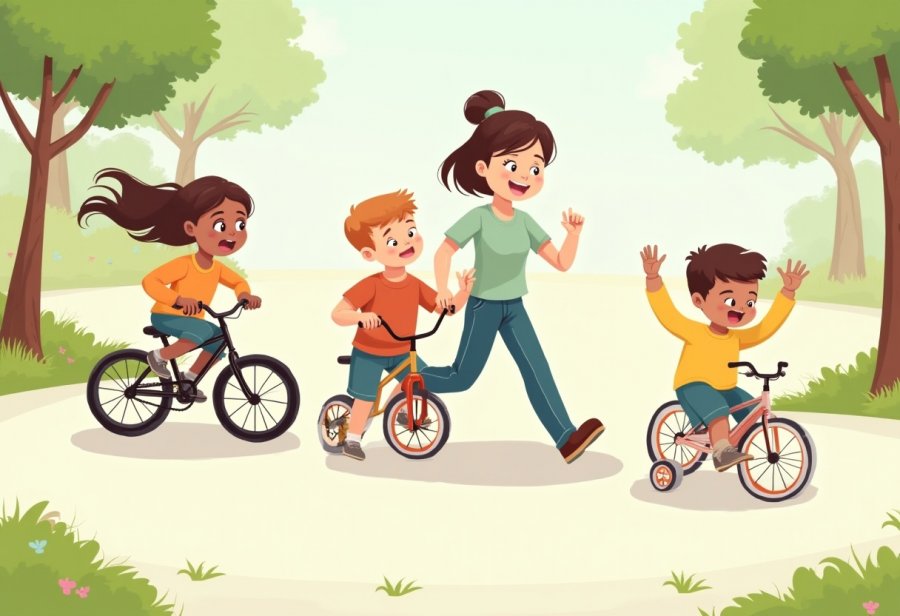
Facing fears is a crucial step toward truly enjoying the freedom and joy that come with riding a bike. When we push past hesitation and trust our abilities, we open ourselves to new adventures, independence, and a deep sense of accomplishment. It’s about more than balancing on two wheels; it’s about learning that growth often involves taking risks and embracing discomfort. Every wobble, fall, and stumble becomes a lesson in resilience, showing us that setbacks are just part of the journey, not the end.
Overcoming these fears transforms riding from a nerve-wracking activity into one of empowerment. When supported by family, friends, or mentors, falling becomes just another step toward mastery, not a failure. The thrill of riding—the feeling of moving confidently and freely—grows stronger when it’s earned through perseverance and courage. Each successful ride after a tumble reinforces the idea that persistence pays off and trusting oneself is the key to confidence.
For children, facing their fears on a bike mirrors many challenges they’ll meet later in life. It teaches them that failure isn’t a stopping point but a stepping stone to growth. When they pedal away solo or navigate a tricky turn, they learn that trusting in their abilities—and in the support system around them—can turn obstacles into opportunities. This confidence becomes a foundation for tackling new situations with resilience and optimism.
The joy of biking is heightened when fear is acknowledged but not allowed to dominate. Using safety gear and encouragement creates a safe space where risk becomes manageable. Knowing they can fall and still get back up helps riders develop a healthier relationship with setbacks, viewing them as part of the learning process rather than failures. This perspective transforms apprehension into excitement, making each ride a step toward independence.
Balancing fear and thrill is what makes riding so meaningful. Growth rarely happens in comfort zones; it’s in moments of challenge that confidence is forged. When riders realize they can face their fears and still enjoy the ride, they discover that the true reward lies in effort and persistence. Embracing the risks and trusting in their support system unlocks a sense of freedom that’s both exhilarating and empowering—one pedal stroke at a time.