Underground street racing is often viewed as reckless adrenaline-fueled chaos, but beneath its rebellious surface lies a profound sense of brotherhood and loyalty that binds its participants. These clandestine gatherings foster trust, shared rituals, and a collective identity, transforming individual racers into a resilient family. Despite law enforcement pressures and safety risks, the bonds formed through late-night runs, car repairs, and mutual support sustain the scene’s vitality across generations. How does a culture built on speed and defiance nurture such deep connections? The answer lies in the community’s core values—respect, integrity, and shared purpose—that transcend the asphalt, creating a legacy rooted in kinship and mutual trust. As technology and social media evolve, so does this resilient brotherhood, balancing rebellion with a desire for safer, more organized expression. Ultimately, underground racing is more than just a race—it’s a testament to the enduring power of loyalty and community.
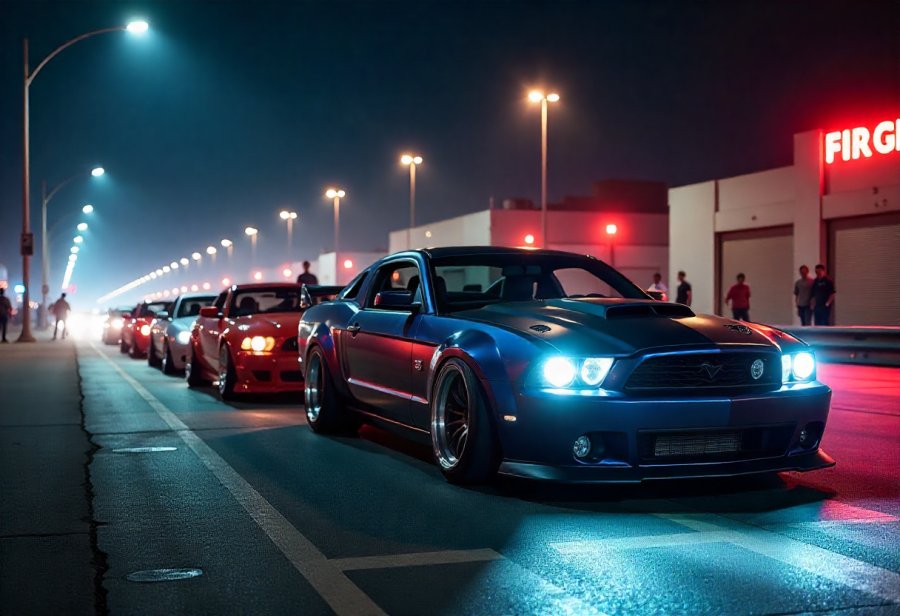
Underground Street Racing: A Brotherhood Beyond Speed
Underground street racing isn’t just a rush of adrenaline; it’s a culture built on passion, loyalty, and a sense of belonging that runs deep. Instead of official tracks and sanctioned events, racers gather in secret locations—abandoned parking lots, quiet back alleys, or forgotten industrial zones—where the roar of engines and the thrill of the race create an electric atmosphere. These clandestine meetups foster a feeling of rebellion, but beneath that edge lies a strong community bonded by shared experiences.
What truly keeps this scene alive isn’t just speed, but the unspoken trust and camaraderie among participants. Racers see each other as family, supporting one another through late-night tuning, quick repairs, and celebrating small victories. These bonds turn individual skill into collective pride, making loyalty more valuable than the fastest car on the street. Every race becomes a test of trust—supporting teammates during risky runs or backing each other up in dangerous moments—cementing a brotherhood that goes beyond the asphalt.
The culture develops its own language, customs, and style, reflecting the close-knit relationships at its core. Crews or racing families operate like clans, where respect and integrity are everything. Members exchange tips on modifications, safety secrets, and race strategies, knowing their reputation depends on mutual trust. Whether it’s the way they dress, speak, or organize secret events, these routines create a shared identity rooted in loyalty and mutual understanding.
Beyond the races, many participants spend hours in garages or online forums, building bonds through technical exchanges and casual hangouts. These moments—helping each other troubleshoot, sharing stories, or just hanging out—strengthen the trust that holds the scene together. Despite the risks involved and law enforcement pressure, the social fabric remains resilient, driven by a collective love for speed and a desire to stay connected.
This sense of community turns individual drivers into a family that supports each other through every challenge. It’s about more than just winning races; it’s about creating a safe space where loyalty and respect are the foundation. Each late-night run or repair session is a ritual that deepens bonds, transforming friendships into lifelong kinship. These shared experiences are what keep the underground racing scene vibrant and enduring.
The core of this culture isn’t just about modified cars or fast speeds—it’s about the relationships that make it real. Loyalty, mutual support, and shared risk forge ties that outlast any single race. This brotherhood sustains the scene, making it more than a rebellious pastime; it becomes a way of life built on trust and kinship.
Even as external pressures mount and safety concerns grow, these social bonds continue to thrive. They serve as the backbone of a community that refuses to be broken by law or danger. The relationships formed through these shared risks and passions create a resilient network—one that keeps underground street racing alive, authentic, and full of unbreakable brotherhood.
In the end, underground street racing is about more than just speed. It’s about forging a family out of strangers, bonded by loyalty, shared stories, and a collective love for the ride. That sense of kinship is what drives the scene forward, ensuring its spirit endures across generations. This culture, rooted in rebellion but sustained by community, proves that sometimes, the bonds we build are the real victories on the street.
The Roots and Rise of Street Racing’s Rebellious Spirit
Street racing’s roots run deep, stretching back several decades into urban environments where car enthusiasts sought to challenge their machines beyond the confines of sanctioned tracks. In those early days, it was a secret, almost rebellious activity—driven by a desire for adrenaline, defiance, and the thrill of pushing limits. Gatherings took place in dimly lit parking lots, back alleys, and abandoned industrial zones, where modified cars roared into the night, creating a clandestine scene that felt both risky and exhilarating.
As the scene grew, stories of these underground races spread through word of mouth and local networks, sparking curiosity and attracting newcomers eager to be part of something rebellious. Films like “The Fast and the Furious” helped romanticize this culture, emphasizing not just the race itself but the loyalty and brotherhood that came with it. Technological advances in engine tuning and lightweight modifications fueled this evolution, allowing racers to push their cars even further, transforming street racing from a secret pastime into a more organized—and increasingly daring—activity.
By the late 20th century, the landscape shifted as races moved from quiet parking lots to more daring locations like industrial zones, remote roads, and deserted tracks. Each event became more dangerous and more visible, with media coverage amplifying the scene’s rebellious image. Digital tools and social media further changed the game, enabling crews to organize clandestine events, share modifications, and build regional networks that fostered a sense of community despite external pressures.
Legendary figures and daring midnight runs became part of the lore, inspiring others with stories of resilience, skill, and risk-taking. These tales helped elevate street racing from a local secret to a global phenomenon, rooted in rebellion, craftsmanship, and loyalty. Even as authorities cracked down and safety concerns grew, the core spirit of the scene persisted—adaptable, resilient, and driven by a collective love for speed and kinship.
Today, street racing continues to evolve, balancing the thrill of rebellion with the realities of safety and legality. While new technologies and social media keep the community connected and organized, the underlying culture remains focused on brotherhood and shared passion. The scene’s history reflects a desire for freedom, self-expression, and community—values that continue to shape its growth and resilience.
Despite ongoing challenges, the essence of underground racing endures. It’s a story of evolution driven by the need for connection and adrenaline, with each generation adding new chapters to a vibrant, rebellious history. The bonds formed in these clandestine races—built on trust, risk, and shared purpose—remain the true legacy, fueling the scene’s future and ensuring its enduring vitality.
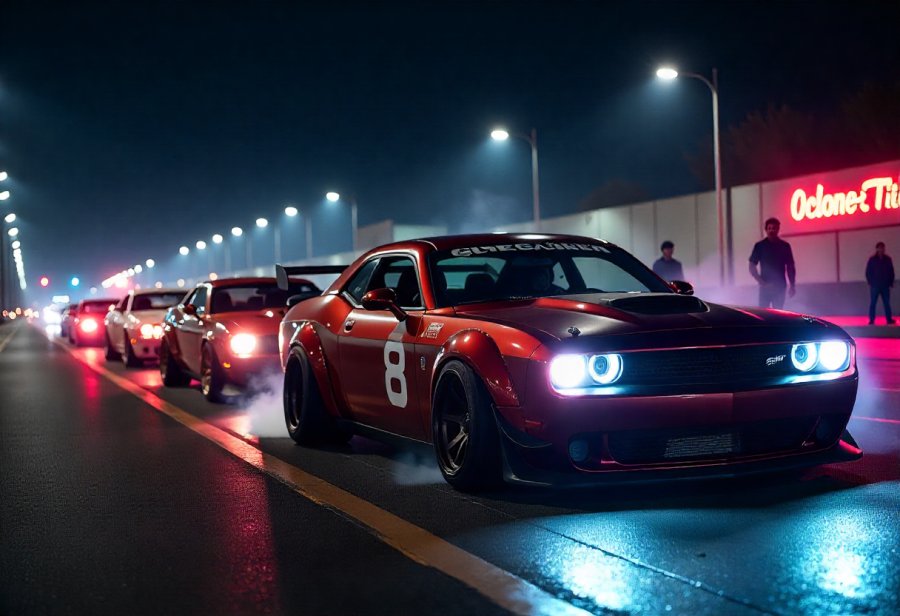
Building Bonds: The Core Values of Street Racing Brotherhood
At the heart of underground street racing is a set of social bonds that go far beyond just the thrill of the race. Crews or racing families act like close-knit circles where trust and loyalty form the foundation. These bonds are built through shared experiences—late-night runs, fixing each other’s cars, or celebrating victories—that foster a real sense of belonging. When you’re part of a crew, it’s not just about individual skill; it’s about reputation, mutual support, and collective pride. This shared loyalty creates a web of relationships that become more valuable than the races themselves.
Terms like “crew,” “street cred,” and “family” aren’t just slang—they embody the core values that keep this culture tight. A crew is a group bonded by respect, trust, and accountability. Earning street cred isn’t just about being fast; it’s about demonstrating loyalty and respect within the community. These words shape how racers relate to each other both on the street and beyond, reinforcing a sense of kinship that’s visible in their language, customs, and daily interactions.
Loyalty is the glue that holds these underground communities together. Members trust each other implicitly, sharing secrets about car modifications, race strategies, and safety tips. This trust is earned through consistent support—helping teammates troubleshoot, backing them up during risky runs, or celebrating each other’s wins. In an environment filled with risks and unpredictability, these rituals—support during late-night races or helping repair a damaged car—become bonding moments that deepen their brotherhood.
This culture extends into everyday life. Many racers spend hours after work tuning their cars, exchanging tips, or hanging out at local garages. Their fashion, language, and customs all reflect their shared identity, creating a visible marker of belonging. Whether through social media, private chats, or casual meetups, these routines reinforce their sense of community, turning friendships into lifelong bonds rooted in loyalty and mutual respect.
Despite the illegal nature of street racing, these social ties make the scene resilient. The relationships formed—based on shared risks, mutual help, and a collective passion—are what keep it alive. They transform individual drivers into a family that looks out for each other, no matter the challenges or external pressures. This unbreakable kinship is what sustains the culture, proving that even in rebellion, loyalty and community are the driving forces.
The brotherhood isn’t just about racing; it’s about creating a safe space where trust and support are paramount. Every late-night run or repair session cements bonds, making each member feel part of something bigger. These shared experiences become stories that get passed down, shaping the identity of each crew and reinforcing their collective values.
The strength of this core system lies in its simplicity: loyalty, respect, and mutual support. These aren’t just ideals—they’re lived realities that influence daily interactions and long-term relationships. They turn a group of racers into a family, united by a common purpose and a shared code. This sense of kinship is what makes underground street racing more than just a rebellion—it’s a community built on unshakable bonds.
As the scene continues to evolve, these principles remain central. They serve as the backbone for future generations, ensuring that the spirit of brotherhood endures despite external threats or changing technologies. Through shared risks, mutual effort, and a collective love for speed, the bonds forged in underground racing continue to thrive, fueling its resilience and ongoing vitality.
Living the Culture: Real Stories and Daily Rituals of Racers
Underground street racing isn’t just about the thrill of speed; it’s deeply rooted in the daily routines and strong social bonds that keep these communities alive. Many racers spend hours after work in garages or online forums, meticulously tuning their cars, exchanging tips, and sharing stories. These interactions go beyond technical advice—they serve as trust-building moments that reinforce loyalty and kinship. Over time, casual conversations evolve into acts of support, creating a shared language and culture where every modification and experience becomes part of their collective identity.
For many, the crew becomes like a second family. Regular meetups at local garages or late-night runs through city streets become bonding rituals. During these moments, members troubleshoot mechanical issues, swap safety tips, and prepare for upcoming races. Supporting each other isn’t just about winning; it’s about building resilience and loyalty that extend beyond the asphalt. These shared risks and adrenaline-fueled experiences deepen their bonds, turning individual drivers into lifelong brothers who look out for one another through every challenge.
Fashion and slang are more than just style—they’re expressions of belonging. Wearing bold streetwear like graphic tees, hoodies, and sneakers often signals crew loyalty or individual identity within the scene. Meanwhile, terms like “ride or die” or “block” aren’t just words—they’re codes that communicate respect, trust, and shared values. These customs create a sense of unity, making even casual conversations a reflection of the larger brotherhood. In this environment, loyalty is visible and tangible, woven into both language and everyday interactions.
One vivid example is an organized midnight race in an abandoned industrial zone. A trusted crew arranges the event, with everyone knowing each other’s cars and strategies inside out. As engines roar and tires squeal, the support among teammates is evident—offering backup or quick repairs if needed. After the race, regardless of who wins, the crew gathers to celebrate their shared passion, reaffirming their bonds. It’s these moments—built on trust, mutual effort, and shared adrenaline—that sustain the scene, proving that loyalty and brotherhood are the real engines driving underground racing.
Despite external pressures from law enforcement and safety concerns, these social ties remain unbreakable. The relationships formed—based on shared risks, mutual help, and collective passion—are what keep underground racing vibrant and resilient. They transform individual drivers into a supportive family, willing to face any challenge together. This sense of kinship isn’t just a byproduct of racing; it’s the core that ensures the scene’s vitality, proving that in the world of underground street racing, community and loyalty are the true victories.
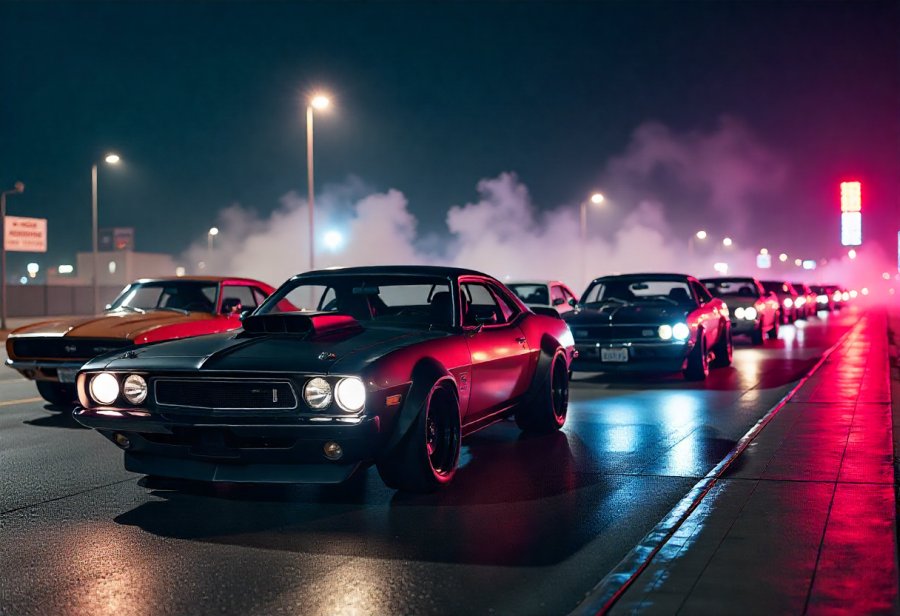
Loyalty and Legacy: The Future of Underground Street Racing
Underground street racing is more than just a reckless pursuit of speed; it’s a powerful force that forges unbreakable bonds among its participants. The relationships built through shared risks, late-night runs, and car repairs create a sense of loyalty and trust that often lasts a lifetime. These connections are rooted in collective experiences, where support and mutual respect become the currency that keeps the scene alive, even amid legal and safety challenges.
The loyalty within these communities runs deep. Members look out for each other’s well-being, share insider knowledge, and celebrate each other’s successes, forging a true sense of family. This brotherhood is reinforced through rituals like clandestine races and regular meetups, where trust is tested and strengthened. Such moments foster bonds that extend beyond the street, shaping social networks rooted in respect and shared passion. Despite external pressures, these relationships provide stability and resilience, ensuring the scene persists across generations.
As technology advances and social media amplifies the culture, these relationships become even more resilient and widespread. Online platforms allow crews to organize, share tips, and stay connected across regions, reinforcing their collective identity. Even as law enforcement intensifies its efforts, the core values of loyalty and brotherhood remain unshaken. These social ties fuel the scene’s vitality, proving that community and trust are the true engines driving underground racing forward.
Looking ahead, the scene faces a balancing act. While legal hurdles and safety concerns remain, many participants hope to evolve the culture by emphasizing safer, more organized events without sacrificing its rebellious spirit or sense of kinship. Innovations in technology and communication could help achieve this, creating opportunities for safer competitions that still honor the bonds that make the community special. The enduring strength of these relationships will be the key to preserving the scene’s authenticity while adapting to new realities.
At its core, underground street racing is about more than just speed—it’s about forging a family built on loyalty, shared stories, and mutual support. The bonds formed through these experiences extend beyond the asphalt, providing a sense of belonging and purpose that sustains the community through challenges and change. As new generations step into the scene, they carry with them the legacy of brotherhood, ensuring that these unbreakable ties continue to thrive. The spirit of loyalty and kinship remains the true heartbeat of underground racing, propelling it into the future with resilience and purpose.