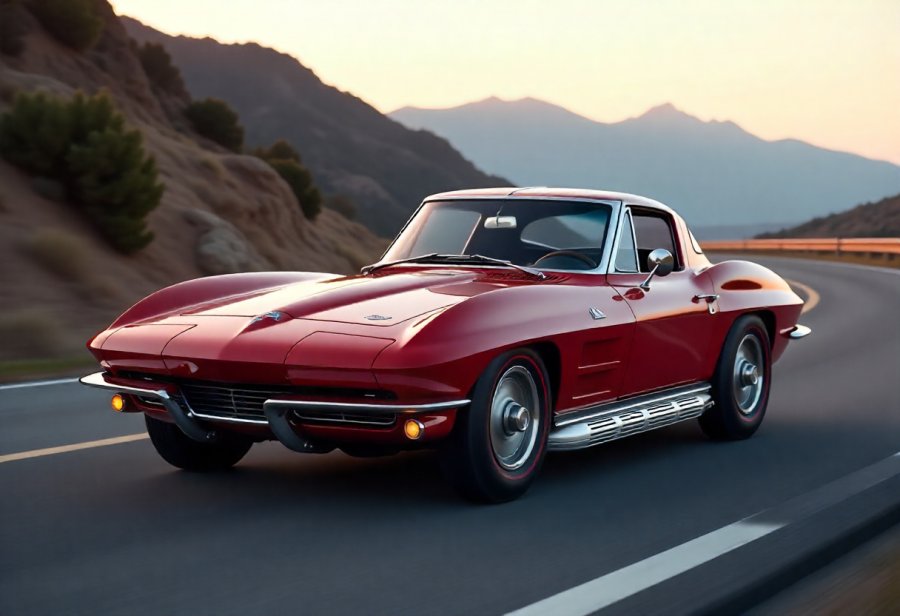
Choosing the right mechanic isn’t just about convenience—it’s a decision that impacts your car’s long-term health. Small, family-run garages excel in personalized service, often building lifelong trust through community ties and tailored care, making them ideal for older or vintage vehicles. Conversely, large chains emphasize consistency, technological advancement, and nationwide warranties that appeal to owners of newer, complex cars. But which offers true reliability? The answer hinges on your vehicle’s needs, your trust, and your willingness to adapt as industry standards evolve. While local shops may lack cutting-edge tools, their craftsmanship and familiarity can ensure better care for classic models. Big chains, with their advanced diagnostics and standardized procedures, shine with newer vehicles. Ultimately, the best choice isn’t solely about size but about honest, skilled service that aligns with your expectations—raising the question: should your loyalty go to the local mechanic you trust or the widespread network promising convenience?
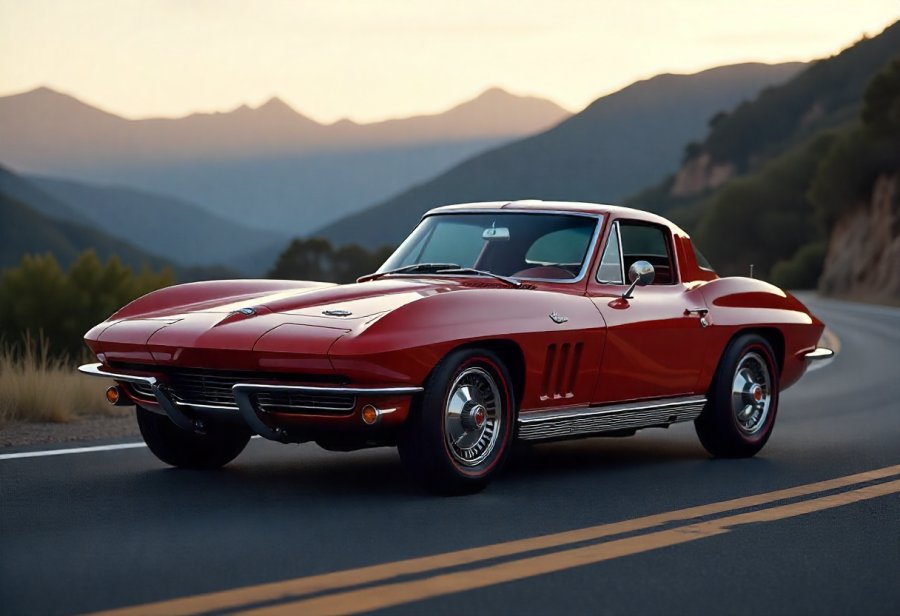
Deciding Your Car’s Future: Small Local Garages or Large Chain Experts
Deciding where to get your car serviced isn’t just about convenience; it’s a choice that can influence your vehicle’s long-term health and performance. Often, this decision comes down to two main options: small, family-run garages or large, nationwide chains. Each offers a different experience and set of benefits, shaping your satisfaction and your car’s longevity in unique ways.
Small garages, typically rooted in their local communities, tend to focus on building trust through personal relationships. Many have served their neighborhoods for decades, relying on word-of-mouth and reputation rather than advertising campaigns. This personal touch often means you speak directly with the mechanic working on your car, which can lead to clearer communication and tailored advice that fits your specific needs.
In contrast, large chains emphasize consistency and efficiency. With standardized procedures, extensive training programs, and access to advanced diagnostic tools, they aim to deliver reliable service no matter which branch you visit. For drivers who travel frequently or move often, knowing that repairs and warranties are recognized across multiple locations offers reassurance and peace of mind.
Your choice between these options depends largely on your vehicle’s requirements and your personal priorities. For an older or classic car, a trusted local garage with experience in vintage models might be better suited to handle its unique needs. Conversely, if your vehicle is newer and equipped with complex electronics, a large chain with the latest diagnostic technology can provide more accurate and efficient repairs.
Both types of garages have their strengths—and their potential downsides. Small shops may vary in quality and sometimes lack access to the newest tools, especially for the latest vehicle models. Meanwhile, big chains can feel more transactional, with a focus on efficiency that might overshadow personal care. Recognizing these differences helps you set realistic expectations and make a choice aligned with what matters most to you.
From Humble Origins to Industry Giants: The History and Structure of Garages
The origins of small family-run garages stretch back to the earliest days of the automotive industry. When cars first became common, local entrepreneurs opened small shops to serve their neighborhoods. These garages were built on trust, personal relationships, and a reputation earned through consistent, honest work. Relying heavily on word-of-mouth, they grew steadily by serving their community’s specific needs and offering tailored solutions. Their focus was on quality, familiarity, and a deep understanding of the vehicles they repaired.
As cars became more complex and widespread, the industry shifted. Larger, more organized operations started to emerge in the mid-20th century, driven by mass production and the expansion of car manufacturing. These big chains prioritized standardization—creating uniform procedures across multiple locations—and invested in advanced diagnostic equipment. Their aim was to deliver predictable, reliable service no matter which branch a customer visited, making them a convenient choice for busy or traveling drivers.
The structural differences between small garages and large chains are significant. Small shops typically operate with just a few employees—often the owner and a handful of trusted technicians—handling everything from customer service to repairs. They tend to be flexible, quick to adapt to specific vehicle needs, and often know their customers personally. Large chains, in contrast, resemble the structure of corporations, with many departments, standardized training programs, and a hierarchy of managers overseeing multiple locations. This organization helps ensure consistency but can sometimes reduce personal touch.
Technology has played a crucial role in shaping these structures. Small garages may have limited access to the latest diagnostic tools, especially if they focus on older or vintage cars. However, many are investing in new equipment to stay competitive. Large chains generally have extensive resources, allowing them to acquire cutting-edge diagnostic software and manufacturer-specific tools. This technological advantage helps them handle complex repairs more efficiently and uniformly across locations.
Industry standards and regulations have also influenced how both small and large garages operate. Certification programs and safety standards mean that even small shops must upgrade staff training and equipment to meet evolving criteria. Large chains incorporate these standards into their corporate policies, ensuring every location maintains strict quality and safety standards. This shared emphasis on compliance raises the overall quality of repairs, regardless of garage size.
Over time, small garages grew from community roots, emphasizing personalized service and craftsmanship. Large chains emerged as scalable solutions, designed to handle higher volumes with efficiency and technological precision. While their core differences—personalized versus standardized service—remain clear, both models have evolved to meet industry changes. Recognizing these origins and structures helps explain why each can serve different needs and expectations for vehicle owners.
Experience Exceptional Auto Care at Thornhill’s Trusted Family-Owned Shop
Located in Thornhill, Ontario, Beck Automotive Services is your premier family-owned automotive shop dedicated to keeping your vehicle in top condition. Specializing in auto repair, oil changes, brake repair, engine and transmission services, as well as tire and vehicle maintenance, Beck Auto ensures comprehensive care for your car. They also offer reliable used car sales to fit your budget and needs. Whether you need a quick diagnostic or extensive engine repairs, their experienced team provides personalized service to keep you safe on the road. For inquiries or appointments, contact them via email at [email protected] or call (416) 222-6583. Trust Beck Automotive Services for quality, family-oriented auto care in Thornhill.
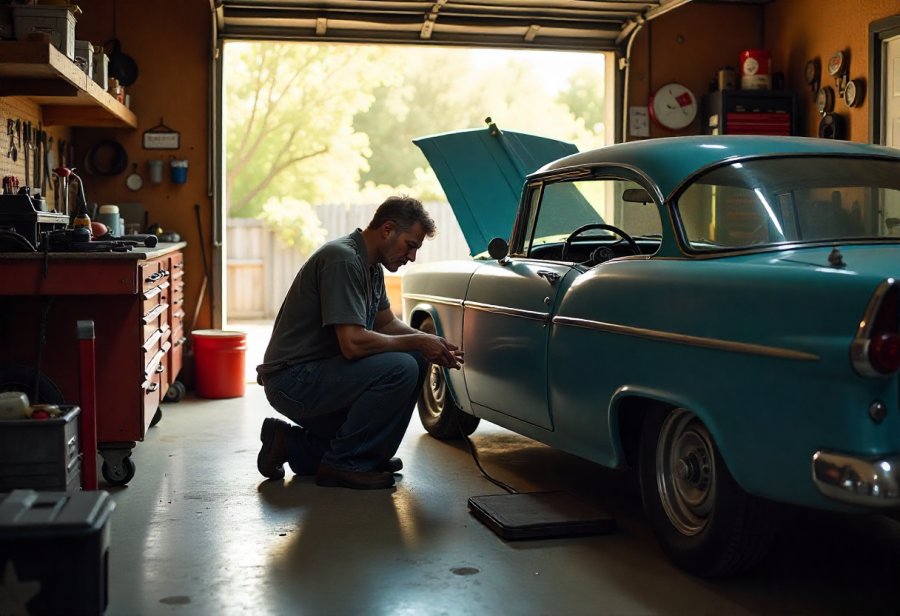
Balancing Tradition and Technology: Modern Views on Small vs. Large Garages
Today’s automotive repair scene balances tradition with rapid technological change. Many customers still see small, family-run garages as trustworthy and personable, valuing the direct relationships and transparency they often provide. Having a mechanic who knows your vehicle’s history and takes the time to explain repairs creates a sense of confidence and reassurance. This personal approach fosters trust, leading to more tailored, careful service that supports your car’s long-term health.
Meanwhile, large chains are recognized for their technological edge and consistency. Their investment in advanced diagnostic equipment and ongoing staff training ensures they can handle complex repairs accurately and efficiently. The standardized procedures across multiple locations mean you can expect similar quality service whether you’re in your hometown or on the road. Warranties offered by these chains also add an extra layer of peace of mind, especially for frequent travelers or those who move often.
However, perceptions aren’t always straightforward. Some see chains as more impersonal or profit-driven, concerned that efficiency might sacrifice personalized care. Others worry that diagnostics could overshadow hands-on expertise. Conversely, while small garages are praised for honesty and community ties, service quality can vary widely, especially if they lack access to the latest tools for newer vehicles. The choice often hinges on vehicle complexity, personal trust, and the kind of service experience you prioritize.
Vehicle technology continues to evolve, shaping customer expectations and repair strategies. For older or vintage cars, owners often prefer small, experienced shops that understand classic models and offer flexible solutions. For newer models with complex electronics, consumers tend to favor large chains equipped with manufacturer-specific diagnostic tools, ensuring precise repairs. As vehicles become smarter and more connected, the importance of staying with a tech-savvy provider grows.
Consumer attitudes are also influenced by media portrayals and cultural narratives. Stories highlighting the craftsmanship and honesty of local shops reinforce their image as community-centered and caring. Conversely, chains are sometimes depicted as overly corporate or transactional, shaping perceptions of efficiency at the expense of personal touch. Regional differences further influence preferences, with some areas valuing the familiarity of small garages, while others prioritize the convenience and reliability of larger networks. Staying informed about these trends helps drivers choose providers that align with their needs and expectations.
Making the Right Choice: Practical Tips for Selecting Your Ideal Garage
When choosing between a small family-run garage and a large chain, start by considering what matters most to you—personal trust, affordability, or technological reliability. For long-term care and a personal touch, a local, reputable garage often offers the advantage of building a relationship with someone who truly knows your vehicle. Look for certifications, read reviews, and ask neighbors or friends for recommendations. Visiting in person can give you a sense of their professionalism and whether they’re approachable, helping you gauge if you feel comfortable trusting them with your car.
If you own an older or classic vehicle, finding a garage with experience in vintage cars can make a big difference. These shops tend to understand the nuances of older models and can provide tailored advice and flexible solutions that bigger chains might not offer. For newer cars with complex electronics, a large chain equipped with the latest diagnostic tools can deliver more precise repairs and handle advanced systems efficiently. Matching your choice to your vehicle’s needs ensures you get the right care without unnecessary expense or risk.
Price and transparency are also key factors. Smaller garages often have lower overhead, which can translate into more competitive rates and flexibility in handling repairs. They might be willing to discuss parts or payment options openly, especially if you’ve built a good relationship. Larger chains, with their standardized pricing and nationwide warranties, provide predictability and peace of mind—especially if you travel a lot or frequently move. Clear estimates before work starts prevent surprises, no matter where you’re located.
Communication matters equally. A good mechanic should explain repairs clearly, answer your questions patiently, and offer written estimates. Avoid shops that pressure you into unnecessary services or vague promises. Mechanics who listen and prioritize honesty foster trust and ensure you understand your vehicle’s needs. Whether small or large, a shop that values transparency and takes the time to educate you makes a better long-term partner for your car’s health.
Finally, stay flexible and reassess periodically. As your vehicle ages or technology advances, your needs may change. Regularly checking reviews, certifications, and your own experience helps ensure you’re always making the best choice for your car. Building a relationship with a trustworthy mechanic—who can adapt to your evolving needs—keeps your vehicle running reliably and extends its lifespan. Staying engaged and informed is the best way to protect your investment and enjoy peace of mind with every drive.
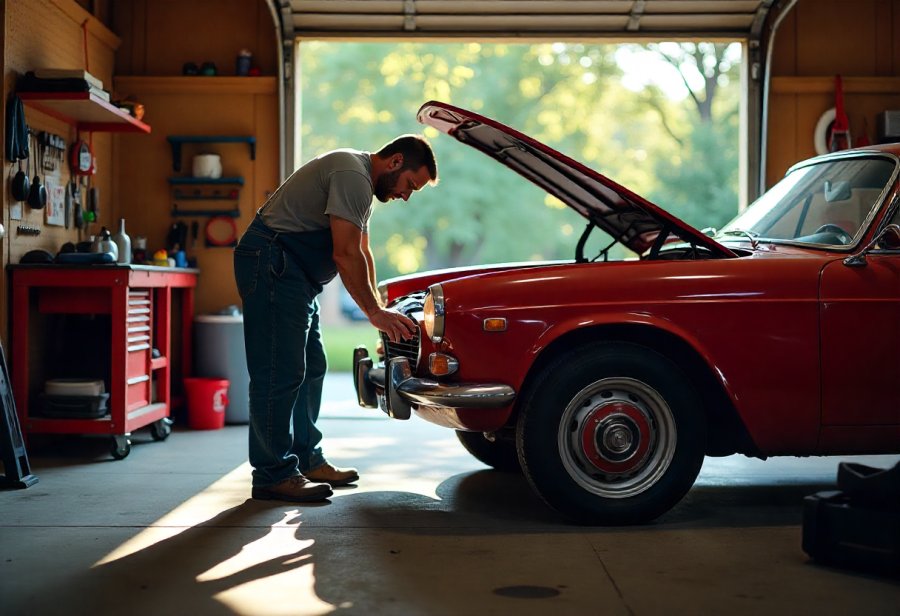
Looking Ahead: Evolving Trends and Long-Term Vehicle Care Strategies
Your relationship with your mechanic isn’t something to set and forget; it’s an ongoing process that should evolve as your vehicle and industry standards change. Regularly reassessing your options ensures your car continues to receive the best possible care. Vehicles age, technology advances, and new repair methods emerge—what worked a few years ago might not be the best choice today. Staying informed about certifications, industry innovations, and local reputations helps you make smarter decisions, avoiding unnecessary costs and potential pitfalls.
Trust and transparency are the foundation of a good mechanic-client relationship. As cars become more sophisticated—especially with the rise of electric and smart vehicles—you need a garage that keeps pace with industry developments. Whether it’s a small, trusted local shop or a large, technologically equipped chain, selecting a technician with proper certifications and a solid reputation for honest work is key. Clear communication, detailed estimates, and straightforward explanations build confidence and help you understand your vehicle’s needs.
The automotive industry itself is constantly shifting. Advances like electric vehicles, autonomous systems, and new maintenance standards will influence how garages operate. Small shops that invest in ongoing training and new equipment can offer tailored service for emerging technologies, while larger chains often lead the way in adopting and integrating innovations. Being aware of these trends helps you choose providers prepared for the future, ensuring your vehicle continues to get top-tier care as the landscape evolves.
As your vehicle ages or technology progresses, your needs may change. A trusted local garage with deep knowledge of your specific model can be a long-term asset, especially for vintage or classic cars requiring special expertise. Conversely, modern, complex vehicles might benefit from the advanced diagnostics of a large chain. The key lies in remaining flexible, regularly checking reviews and certifications, and adjusting your choice based on what your car needs at each stage.
Building a long-term relationship with a mechanic isn’t just about fixing problems; it’s about fostering trust and ensuring consistent quality. A mechanic who communicates clearly, explains repairs honestly, and understands your priorities will help you make better decisions for your vehicle’s health. This ongoing engagement can extend your car’s lifespan, prevent costly repairs, and provide peace of mind every time you turn the key.
There’s no one-size-fits-all answer. Small shops often excel at personalized service and craftsmanship, especially for older or vintage vehicles. Large chains can offer reliable, technologically advanced repairs with nationwide warranties, ideal for newer models or frequent travelers. The best choice depends on your vehicle, your trust in a shop, and your willingness to adapt as circumstances change. Staying curious and informed makes all the difference.
Investing in your relationship with your mechanic means more than just routine maintenance. It’s about making informed, proactive decisions that protect your vehicle’s long-term health. Regularly reviewing your options, staying updated on industry trends, and choosing providers who prioritize honesty and skill will keep your car running reliably for years to come. Trust, transparency, and ongoing communication are your best tools to ensure your investment pays off and your driving experience remains smooth and worry-free.