In today’s competitive business landscape, customized telephony solutions are transforming how organizations communicate, boosting efficiency and customer satisfaction. Are you leveraging Grandstream’s innovative IP phones and cloud management platforms to their fullest potential? This overview explores how tailored systems—featuring scalable, cloud-based deployment and remote management—enable seamless call routing, real-time monitoring, and adaptable workflows. As businesses shift from traditional landlines to IP-based solutions, they gain greater control, flexibility, and cost savings. Real-world examples showcase how these personalized setups empower retail chains, legal firms, and remote teams to respond faster, streamline internal communication, and elevate customer experiences. But the key question remains: are your devices and infrastructure aligned to support this evolution? Investing in robust, versatile hardware and strategic network planning isn’t just smart—it’s essential to stay competitive in a rapidly changing digital world. Discover how customized telephony transforms ordinary conversations into strategic advantages.
Enhance Your Business Communication with FiberConX’s Advanced VoIP Solutions in Canada
Discover the power of reliable and feature-rich VoIP services offered by FiberConX Communications in Canada. Our comprehensive solutions include voicemail, IVR, Ring Groups, and voicemail-to-mail, ensuring seamless communication for both business and residential customers. Elevate your office setup with cutting-edge Grandstream IP Phones, designed to integrate smoothly with our advanced VoIP platform. Whether you’re managing a busy call center or seeking efficient home communication, FiberConX provides tailored services to meet your needs. Reach out today at 1.800.961.6856 or email [email protected] to learn more about our offerings.
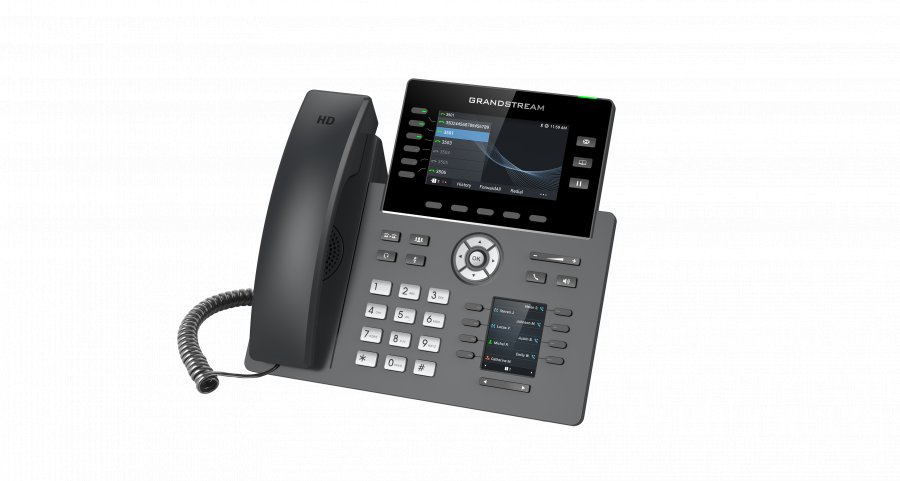
Transform Your Communication: Custom Telephony Solutions with Grandstream
In today’s fast-paced business world, clear and efficient communication isn’t just a convenience—it’s essential for success. Customized telephony solutions are transforming how organizations connect, enabling them to respond faster and serve customers more effectively. Instead of relying on generic systems, companies are now tailoring their communication tools to fit their unique workflows, which can significantly boost productivity and satisfaction.
This shift toward personalized systems isn’t just about adding new features; it’s about fundamentally changing how teams collaborate and interact with clients. By leveraging capabilities like call routing, remote device management, and seamless integrations, businesses create communication environments that support agility and growth. These tailored setups turn traditional phone lines into strategic assets, adaptable to evolving needs and scalable for future expansion.
The evolution from traditional landlines to IP-based, cloud-managed systems reflects a broader trend: the desire for more control, flexibility, and efficiency. Digital solutions open up new possibilities, allowing organizations to customize workflows, optimize call handling, and monitor performance remotely. This level of personalization helps align communication infrastructure directly with operational goals, whether running a small startup or managing a large enterprise.
Grandstream’s devices are at the forefront of this transformation. Their range of IP phones and endpoints are designed for easy deployment and management, especially when integrated with platforms like GDMS. These tools simplify mass configuration, remote troubleshooting, and firmware updates, making sophisticated technology accessible and manageable regardless of organization size. Such features ensure your communication system remains agile and responsive.
As businesses recognize the benefits of tailored telephony, they’re increasingly investing in solutions that support their specific workflows. From feature-rich phones for customer service teams to softphones for remote workers, the right hardware makes a difference. When combined with cloud management and network optimization, these devices turn everyday communication into a competitive advantage that drives efficiency and growth.
From Landlines to IP: The Evolution of Telephony Technology
Telephony systems have evolved significantly from the days of basic landline phones. Originally, voice calls traveled over analog signals, which limited the range of features and flexibility available to users. As digital technology advanced, systems transitioned to digital formats, offering clearer sound quality and more options for customization. This shift laid the groundwork for the modern IP-based telephony we rely on today, where voice is transmitted over the internet, making systems more scalable and cost-effective for businesses of all sizes.
Today’s telephony isn’t just about making calls; it’s about creating integrated, adaptable communication networks. Key innovations like Private Branch Exchange (PBX) systems efficiently manage internal calls, while Voice over Internet Protocol (VoIP) technology reduces costs and enhances call quality by routing voice data over the internet. The rise of unified communication platforms now combines voice, video, and messaging into a single interface, helping teams stay connected across different channels and locations. These developments make it easier for organizations to tailor their communication tools to meet specific operational needs.
The move from traditional landlines to IP-based solutions reflects a broader push toward customization and flexibility. Small businesses often prefer cloud-managed systems for their ease of deployment and low maintenance, whereas larger enterprises typically opt for hybrid or on-premises setups to retain greater control and security. Each approach allows for varying levels of personalization, whether in call routing, device configuration, or integration with other business applications. This focus on tailored solutions helps companies optimize workflows and deliver better user experiences.
Cloud management platforms have accelerated this transition, offering remote control over system configuration, troubleshooting, and updates. These tools enable quick deployment and scaling, simplifying management of large device networks. When paired with reliable network infrastructure—such as sufficient bandwidth and Quality of Service (QoS)—these systems deliver consistent, high-quality communication even during busy periods. This evolution underscores a shift toward more user-centric, flexible telephony solutions.
Understanding this progression highlights how modern telephony empowers organizations to create communication environments that are not only efficient but also adaptable. By embracing innovations like cloud management and IP technology, businesses can respond more swiftly to changing needs, improve internal collaboration, and enhance customer engagement. This foundational knowledge sets the stage for exploring how customized solutions can make a real difference in daily operations.

Modern Business Communication: Embracing Customizable Systems Today
Today’s business landscape is more connected and fast-paced than ever, making customized telephony systems essential for staying competitive. Companies across industries are adopting tailored solutions that combine advanced features like cloud management, flexible device deployment, and scalable architectures. These aren’t mere upgrades; they transform communication into a strategic asset that boosts productivity, enhances customer satisfaction, and streamlines internal collaboration.
Organizations now route calls more efficiently, monitor device performance remotely, and adapt quickly as they grow—all while maintaining full control. This level of customization allows businesses to design communication channels that align perfectly with their workflows. Retail chains, for example, can prioritize direct lines for customer support, while legal firms can streamline internal messaging. Such targeted setups lead to faster responses and a more seamless customer experience.
Different business sizes approach this customization differently. Small and medium enterprises prefer cloud-managed solutions for their ease of deployment and lower maintenance costs. Larger organizations often opt for hybrid or on-premises systems, valuing greater control and security. Regardless of the approach, the goal remains the same: creating a flexible, scalable communication environment that evolves with the business.
Innovations like cloud management platforms are driving this shift. These tools enable remote configuration, troubleshooting, and firmware updates, making system management more straightforward across large device networks. When paired with reliable network infrastructure—such as sufficient bandwidth and Quality of Service protocols—these systems maintain high call quality even during peak times, ensuring reliable, professional communication every day.
This move toward personalized, scalable solutions reflects a broader focus on user-centric design. As organizations recognize the tangible benefits—faster decision-making, fewer missed calls, improved customer engagement—they invest more in tailored telephony. Doing so helps them stay agile, meet rising customer expectations, and prepare for future growth, turning communication from a routine task into a competitive advantage.
Smart Investments: Cost Analysis of Tailored Telephony Solutions
Investing in a customized telephony system is a strategic decision that extends beyond the initial purchase price. While premium devices like Grandstream’s IP phones might seem costly upfront, their durability and feature-rich design often lead to lower maintenance and replacement expenses over time. These robust devices are built to last, reducing downtime and ensuring consistent performance, which translates into significant savings for businesses in the long run.
Cloud-managed solutions further enhance cost efficiency by minimizing the need for on-site IT support. Remote configuration, updates, and troubleshooting streamline maintenance efforts, saving both time and money. As your organization grows, adding new devices or features through cloud platforms becomes more affordable, avoiding the costly hardware upgrades associated with traditional systems. This flexibility allows for scalable expansion without draining budgets.
Operational efficiencies also contribute to cost savings. Tailored telephony setups enable faster response times, smoother workflows, and fewer missed calls, which directly impact customer satisfaction and revenue. For example, routing important calls directly to the right department reduces handling times and improves service quality, leading to happier clients and more repeat business.
Long-term savings hinge on thoughtful planning. Selecting reliable, feature-rich devices that support future growth ensures your investment remains valuable for years. Cloud management platforms like GDMS simplify ongoing maintenance, allowing centralized control over firmware updates and device health checks. This proactive approach reduces unexpected breakdowns and costly emergency repairs, keeping your system running smoothly.
Network quality is crucial in maximizing your investment. A solid infrastructure with sufficient bandwidth and Quality of Service (QoS) protocols ensures high call quality and minimizes disruptions. Devices compatible with these standards, like Grandstream’s IP phones, deliver clear, reliable communication—preventing costly misunderstandings and productivity losses caused by poor call quality.
Balancing initial costs with ongoing operational savings makes investing in customized telephony a wise choice. By prioritizing durable hardware, scalable cloud solutions, and robust network infrastructure, businesses create a communication system that pays dividends over time. It’s an investment in resilience, efficiency, and future readiness that supports sustained growth without breaking the bank.
Real-World Success Stories: How Customized Telephony Boosts Operations
Customized telephony solutions have a clear, tangible impact on daily business operations, as real-world examples demonstrate. Take a retail chain that adopted Grandstream IP phones managed through a cloud platform. Store managers gained the ability to adjust call routing instantly and monitor device performance remotely. This flexibility reduced customer wait times and allowed staff to focus on delivering better service, directly boosting customer satisfaction in a high-paced environment.
Similarly, a legal firm tailored its phone system by assigning direct lines for senior attorneys and integrating messaging features for paralegals. This setup sped up internal communication, enabling faster responses to clients and colleagues. As a result, workflows became smoother, bottlenecks decreased, and overall efficiency improved—ultimately enhancing client experience and trust.
Remote teams also benefit from customized systems. A marketing agency configured softphones and mobile app integrations for staff working across various locations. They maintained high responsiveness and seamless connectivity, fostering a more agile and collaborative work environment. This boosted productivity and kept morale high, even when team members were scattered geographically.
Manufacturing companies see advantages by routing customer inquiries directly to specialized teams using tailored call routing. One manufacturer improved response times and strengthened client relationships by ensuring queries reached the right department immediately. This targeted approach not only saves time but also builds trust, reinforcing the company’s reputation for reliable service.
These examples highlight the importance of aligning communication tools with specific operational needs. When businesses design their systems around their workflows, they experience quicker decision-making, fewer missed calls, and a more professional, responsive image. Such improvements are often subtle but accumulate into significant competitive advantages.
Investing in tailored telephony transforms routine communication into a strategic asset. Faster responses, improved customer engagement, and streamlined internal processes lead to measurable gains. These real-world cases prove that personalized solutions aren’t just tech upgrades—they’re a way to make everyday business operations more efficient and resilient.
By adopting customized telephony, organizations turn everyday interactions into opportunities for growth and differentiation. The ability to adapt quickly and serve customers better isn’t just a bonus; it’s essential in today’s competitive landscape. These examples show that smart, targeted communication solutions deliver immediate results and lay the foundation for long-term success.

Selecting the Perfect Devices: A Guide to Grandstream’s Reliable Hardware
Choosing the right devices is essential for building a personalized and efficient telephony system. Grandstream offers a versatile lineup of IP phones designed to meet the needs of different business environments, from small teams to large departments. These devices are known for their reliability, ease of use, and seamless integration with management platforms like GDMS, which simplifies deployment and ongoing control. When selecting hardware, consider your team’s call volume, roles, and essential features such as HD voice quality, Wi-Fi connectivity, or programmable keys to ensure each device aligns with your operational goals.
Beyond basic functions, think about how device capabilities support your workflows. For example, busy customer service teams benefit from phones with large screens, multiple line keys, and quick-dial options. Remote workers may prioritize Wi-Fi-enabled softphones or mobile app integrations to stay connected regardless of location. Matching hardware to specific user needs helps maximize productivity and reduces frustration, creating a smoother communication experience across your organization.
Managing multiple devices becomes straightforward with cloud-based tools like Grandstream’s GDMS. These platforms enable remote configuration, monitoring, and troubleshooting from a centralized interface. Pre-provisioning devices or using zero-touch setup expedites deployment and minimizes errors. Centralized management also ensures consistent security settings and firmware updates, supporting your system’s scalability and stability as your business grows and your device network expands.
Network performance plays a critical role in device effectiveness. To guarantee clear, uninterrupted calls, your infrastructure must provide sufficient bandwidth and prioritize voice traffic using Quality of Service (QoS) protocols. Grandstream IP phones are designed with these considerations in mind, supporting features like VLAN tagging and Power over Ethernet (PoE) for simplified setup. Regular firmware updates and network monitoring help prevent issues before they impact call quality, maintaining a professional communication environment every day.
When planning for future growth, select devices that support additional features like Bluetooth, Wi-Fi, or third-party app integrations such as CRM tools. Investing in versatile hardware ensures your communication infrastructure can adapt without costly replacements. Coupling thoughtful device choices with robust network infrastructure and management tools creates a resilient telephony setup that scales seamlessly, keeps your team connected, and supports your evolving business needs.