Nylon, a ubiquitous synthetic fiber found in everything from clothing to industrial products, offers undeniable convenience and durability. But beneath its practicality lies a complex web of environmental and social costs rooted in fossil fuel dependence and chemical manufacturing. Its production releases potent greenhouse gases like nitrous oxide, pollutes water and soil, and contributes significantly to climate change. Once in use, nylon sheds microplastics that threaten marine life and enter human food chains, lingering in ecosystems for centuries. Discarded nylon items clog landfills, fragment into microplastics, and further contaminate environments. The cycle perpetuates environmental degradation, resource depletion, and social inequalities, especially in communities near factories or in developing nations. Can we reconcile our reliance on this versatile material with the urgent need for sustainability? Exploring innovations like recycling and bio-based alternatives reveals a path to reduce nylon’s profound ecological footprint and foster a more responsible, circular economy.

Unraveling Nylon: Its Role and Hidden Environmental Costs
Nylon is one of the most recognizable synthetic fibers in our daily environment. It appears in the clothes we wear, the carpets under our feet, and countless other products like fishing lines and industrial materials. Its popularity comes down to qualities like durability, elasticity, and affordability—features that make it a favorite among manufacturers and consumers alike. Because of these advantages, nylon has woven itself into many aspects of modern life, often without us stopping to consider its origins or its environmental costs.
Developed in the 1930s, nylon was a breakthrough in textile technology. It offered a synthetic alternative to natural fibers such as silk and cotton, with a strength and resilience that made it ideal for a wide range of uses—from everyday clothing and hosiery to sportswear, car interiors, and technical cables. Its versatility has only grown over the decades, cementing nylon’s role as a staple material. However, while its durability and low cost have made it indispensable, they also mean nylon products tend to persist in the environment for a very long time.
Understanding nylon involves looking beyond its practical benefits. It’s a polymer—a long chain of molecules created through a chemical process that starts with petrochemicals. These raw materials are derived from fossil fuels like oil and natural gas, which are processed into basic chemicals, then polymerized into nylon. This process requires high temperatures, pressures, and catalysts, making it energy-intensive and chemically complex. The reliance on non-renewable resources ties nylon production directly to environmental concerns linked to fossil fuel extraction and use.
The manufacturing process begins with refining oil and natural gas to produce chemicals such as hexamethylenediamine and adipic acid. These are reacted in large industrial reactors to form long chains of polyamide molecules through polymerization. This stage demands precise control of temperature and pressure, both of which consume significant energy and produce emissions. Once the polymer is formed, it’s cooled and spun into fibers or molded into various products, involving further high-heat and mechanical processes that add to its environmental footprint.
The environmental impact of nylon production extends beyond energy consumption. The chemical reactions involved generate waste containing toxic substances like nitrous oxide—a greenhouse gas far more potent than carbon dioxide—and other hazardous byproducts. If not properly managed, these wastes can contaminate local water supplies and soil, harming ecosystems and nearby communities. The release of volatile organic compounds and heavy metals further contributes to air and water pollution, highlighting the chemical complexity and environmental risks of nylon manufacturing.
Dependence on fossil fuels for both raw materials and energy makes nylon’s lifecycle inherently unsustainable. Extracting and burning these resources depletes finite reserves and accelerates climate change through greenhouse gas emissions. From raw material extraction to chemical synthesis and fiber production, each step carries a significant environmental cost. This reliance ties nylon’s future to broader issues like resource depletion, pollution, and global warming—raising questions about its role in a society increasingly focused on sustainability.
Despite these challenges, nylon’s role in our lives remains significant. Its resilience and affordability have shaped industries and consumer habits worldwide. Yet, microplastics shed from nylon textiles during washing contaminate oceans and waterways, threatening marine life and entering the food chain. Discarded nylon products in landfills can persist for centuries, eventually breaking down into microplastics that leach chemicals and further harm ecosystems. Recognizing these issues is key to understanding the true cost of this versatile material.
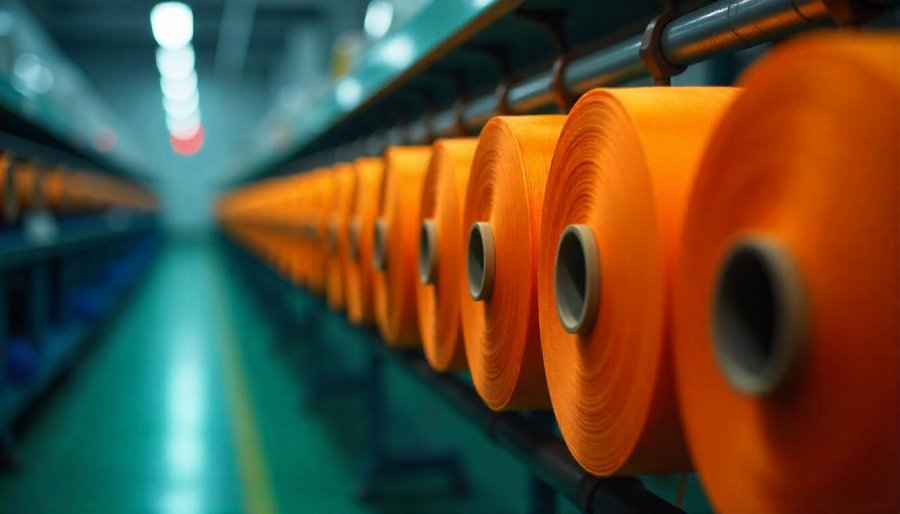
From Petrochemicals to Polymers: The Complex Industrial Path of Nylon
Nylon’s origins trace back to a complex chemical process rooted in the refinement of fossil fuels, primarily oil and natural gas. These hydrocarbons are first broken down through cracking and distillation, which produce basic chemicals like hexamethylenediamine and adipic acid. These compounds serve as the building blocks for nylon, and their production involves high-temperature reactions, often under significant pressure and in the presence of catalysts. This initial stage is highly energy-intensive and relies heavily on burning fossil fuels, which contributes to environmental degradation.
The first step involves cracking large hydrocarbon molecules into smaller, more useful chemicals. This process releases pollutants and consumes vast amounts of energy, mostly derived from fossil fuels. Refining further purifies these chemicals, but it also generates emissions and waste that can impact air and water quality. The chemicals produced—hexamethylenediamine and adipic acid—are then combined in large industrial reactors through polymerization, where they are chemically linked to form long chains of polyamide molecules, the raw material for nylon.
Polymerization, the core chemical process, requires precise control of temperature and pressure. These conditions demand significant energy input, often supplied by burning fossil fuels. During this process, the chemicals react to form the backbone of nylon fibers, creating a viscous resin that is cooled and then spun into fibers or molded into various shapes. Each step—reaction, cooling, and spinning—uses heat and mechanical forces, further increasing the environmental footprint of production.
Beyond the energy consumption, the manufacturing process generates waste containing toxic substances such as nitrous oxide—a greenhouse gas far more potent than carbon dioxide—and other hazardous byproducts. If not properly managed, these wastes contaminate water supplies and soil, posing risks to ecosystems and human health. Volatile organic compounds and heavy metals released during production also contribute to air and water pollution, making nylon manufacturing a significant industrial contributor to environmental harm.
Dependence on fossil fuels for both raw materials and energy makes nylon production inherently unsustainable. Extracting and burning these finite resources depletes reserves and accelerates climate change through greenhouse gas emissions. Every stage—from raw material extraction to chemical synthesis and fiber formation—adds to the environmental toll, creating a cycle that is difficult to break without alternative approaches.
Once produced, nylon fibers are used in countless products, from clothing and carpets to technical textiles, but their chemical composition means they shed microfibers during washing. These tiny fibers escape into waterways, where they are ingested by marine life, disrupting ecosystems and entering the food chain. Since nylon is non-biodegradable, discarded items persist in landfills for centuries, gradually fragmenting into microplastics that release chemicals harmful to wildlife and humans alike.
The environmental impacts extend further into the lifecycle of nylon, highlighting the urgent need for sustainable alternatives. Innovations like recycling nylon into new fibers and developing bio-based polyamides aim to reduce reliance on fossil fuels and cut down on waste. Transitioning to these options requires significant industry and consumer effort, but it is essential for addressing nylon’s deep-rooted environmental footprint. Recognizing the chemical and industrial processes behind nylon reveals both the scale of its impact and the potential pathways toward more responsible production.
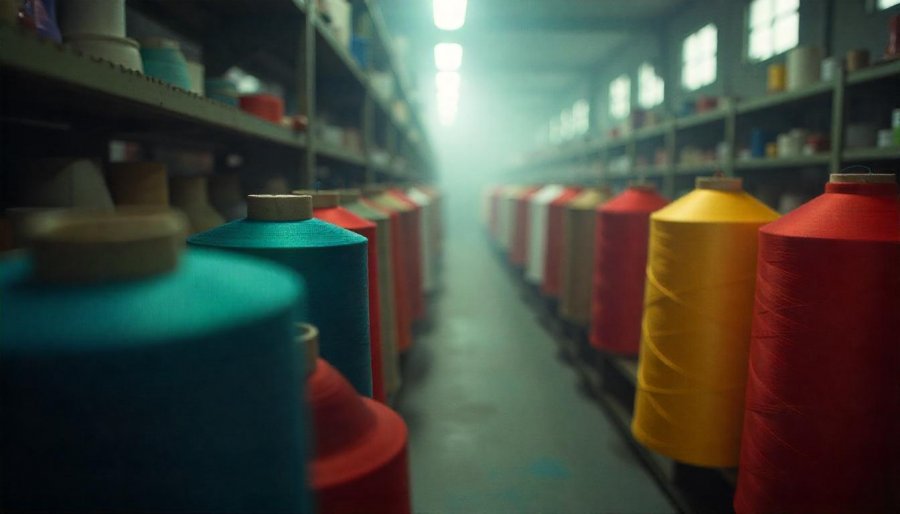
Nylon’s Toll on Environment and Society: The Hidden Consequences
The widespread use of nylon has profound environmental and social consequences that often go unnoticed. While its durability and versatility make it a staple across various industries, the full lifecycle of nylon— from production to disposal—brings significant harm to ecosystems and communities alike. Its environmental footprint begins at the factory, where emissions of toxic waste and greenhouse gases contribute directly to climate change and local pollution. Chemicals like nitrous oxide, a greenhouse gas far more potent than carbon dioxide, are released into the atmosphere, trapping heat and accelerating global warming. Wastewater contaminated with hazardous substances can seep into soils and water sources, jeopardizing the health of nearby residents, wildlife, and plant life.
Once nylon products reach consumers, their environmental impact persists through everyday use and eventual disposal. During washing, tiny nylon fibers— microplastics— are shed and escape into waterways. These microfibers are ingested by marine animals, causing injury or death, and they ultimately enter the human food chain. Because nylon is non-biodegradable, these microplastics linger in the environment for centuries, fragmenting into smaller particles that leach chemicals and disrupt natural ecosystems. The accumulation of microplastics in oceans and lakes has become a pressing concern, threatening biodiversity and raising questions about the safety of seafood.
Landfills pose another long-term challenge. Discarded nylon items do not decompose but instead persist for hundreds of years. Over time, they break down into microplastics, contaminating soil and freshwater supplies. These tiny particles can carry toxic chemicals, which are absorbed by plants and animals, further propagating environmental damage. Despite recycling efforts, current infrastructure remains limited, and much nylon waste still ends up in landfills, compounding the global plastic pollution crisis. The environmental costs extend beyond visible waste, involving the leaching of chemicals and the slow breakdown of durable plastics into harmful microfragments.
The reliance on fossil fuels for raw materials and energy in nylon’s production amplifies its environmental toll. Extracting and burning these resources depletes finite reserves and emits greenhouse gases, fueling climate change. This dependency creates a cycle where resource extraction and chemical manufacturing perpetuate environmental degradation. Every step in nylon’s lifecycle—from raw material extraction to fiber production—adds to its carbon footprint. As demand increases, so does the pressure on ecosystems and the climate, raising urgent questions about the sustainability of continued reliance on such synthetic fibers.
Social impacts are equally significant. Communities near manufacturing plants often bear the brunt of pollution, experiencing health problems linked to chemical exposure and degraded air and water quality. Workers in nylon factories may face occupational hazards, often without adequate protections against hazardous chemicals like volatile organic compounds and heavy metals. The global fashion industry’s focus on cheap, fast-produced nylon goods fuels overconsumption and waste, which disproportionately affects developing countries where labor is exploited and environmental regulations are weaker. This cycle of overproduction and disposability exacerbates social inequalities, perpetuating a cycle of environmental and economic injustice.
Addressing these broad impacts demands a shift toward more sustainable practices. Innovations in nylon recycling, such as converting waste into new fibers, help close the loop and reduce reliance on virgin materials. Advances in bio-based polyamides offer promising alternatives that rely less on fossil fuels, aiming to lower the carbon footprint of synthetic fibers. Consumers can play a role by supporting brands committed to transparency, eco-friendly materials, and responsible waste management. Industry-wide changes, including stricter regulations and investment in sustainable technologies, are essential to mitigate nylon’s environmental and social footprint.
Reducing nylon’s impact requires a collective effort to rethink our relationship with synthetic fibers. From policy changes and technological innovation to individual choices, every action counts. Better waste management, increased recycling, and the adoption of sustainable materials can help lessen the burden on ecosystems and communities. As awareness grows, so does the opportunity to transition toward a more circular economy—one that prioritizes reuse, recycling, and responsible production. Recognizing the true costs behind nylon empowers consumers and industries alike to make informed, impactful decisions for a healthier planet.