Contrary to Hollywood’s glamorous myth, Cleopatra VII was far more than a seductive figure—she was a formidable scholar, strategist, and diplomat whose true power lay in her intellect and political mastery. This portrayal invites readers to reconsider her legacy, highlighting her mastery of language, cultural nuance, and strategic alliances with Julius Caesar and Mark Antony, all aimed at preserving Egypt’s independence amidst Roman expansion. Her dedication to learning, patronage of the Library of Alexandria, and ability to navigate internal and external threats with wit and foresight reveal a leader who valued wisdom over superficial charm. Through her resilience and adaptability, Cleopatra exemplifies that enduring influence stems from cultural insight, diplomatic finesse, and strategic thinking. As we explore her story beyond myth, one question remains: could her true legacy be the unassailable power of her mind—and what can we learn from her mastery of leadership rooted in knowledge and resilience?
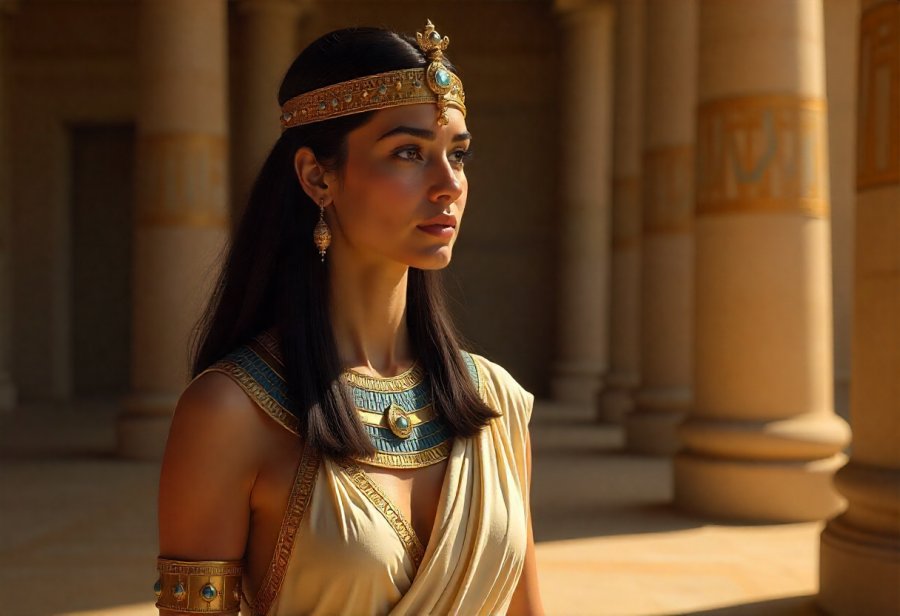
Unveiling Cleopatra: Beyond Myth, a Leader of Strategy and Wisdom
Cleopatra VII is often remembered through stories of beauty and romance, but her true significance goes far beyond myth. She was a leader driven by intelligence, strategic thinking, and diplomatic skill—traits that helped her navigate one of the most turbulent periods in Egyptian history. As the last active ruler of Egypt’s Ptolemaic dynasty, she inherited a kingdom at a crossroads of cultural, political, and external pressures. Her reign was marked not by superficial glamour but by a keen focus on maintaining Egypt’s independence amid the rising influence of Rome.
Far from the romanticized image of a seductress, Cleopatra was a highly educated woman fluent in multiple languages and well-versed in politics, science, and literature. Her leadership style was thoughtful and deliberate, rooted in a deep understanding of her diverse subjects and the complex geopolitical landscape. She saw power not just in armies or wealth, but in relationships, perception, and knowledge—elements she carefully cultivated through diplomacy, scholarship, and cultural patronage.
Her ability to forge and sustain alliances was central to her strategy. Cleopatra’s relationships with Julius Caesar and Mark Antony weren’t driven by vanity but by calculated moves to secure Egypt’s sovereignty. She understood that her strength lay in her capacity to outthink her enemies and turn potential threats into opportunities. Her diplomatic finesse allowed her to navigate treacherous political waters, often outmaneuvering rivals with wit and insight.
Studying her leadership reveals a woman who mastered the art of balancing tradition with innovation. She drew on Egyptian customs and Hellenistic culture alike, blending them seamlessly to craft policies that reinforced her authority and stability. Her patronage of the Library of Alexandria and her support for scholars reflected her belief that knowledge was a vital source of power—one that elevated Egypt’s cultural and political standing on the world stage.
Throughout her reign, Cleopatra demonstrated resilience and adaptability. She was quick to read her environment, adjusting her strategies as circumstances changed. Whether mediating internal social divisions or responding to external threats, her calm and strategic approach kept her kingdom afloat. Her leadership was rooted in a clear-eyed understanding that true strength came from mental agility, cultural insight, and relationship-building.
Egypt at a Crossroads: The Political and Cultural Landscape of Cleopatra’s Reign
During Cleopatra’s reign, Egypt was a vibrant crossroads where culture, politics, and commerce intertwined. The kingdom boasted a rich history as a center of learning and tradition, but by her time, it also reflected the influence of Hellenistic culture brought by Greek rulers. This unique blend of Egyptian and Greek customs created a social fabric that demanded a leader with both cultural sensitivity and diplomatic finesse. Cleopatra’s ability to navigate this complex environment was crucial to maintaining internal stability and external influence.
Politically, Egypt was semi-autonomous but increasingly vulnerable as Rome’s power expanded across the Mediterranean. The rising dominance of the Roman Republic—and later Empire—posed a significant threat to Egypt’s independence. Cleopatra understood that military might alone wouldn’t secure her kingdom’s future; she relied heavily on diplomacy and strategic alliances to safeguard her sovereignty. Her keen awareness of shifting regional dynamics allowed her to adapt her strategies in response to external pressures.
Culturally, Alexandria was the jewel of intellectual life in Egypt. The city’s famed Library of Alexandria symbolized Egypt’s scholarly vitality and was more than just a repository of scrolls—it was a hub for scientific discovery, philosophy, and arts. Cleopatra’s patronage of this institution and her support for scholars from diverse backgrounds underscored her belief that knowledge was a form of power. By fostering an environment of learning, she aimed to elevate Egypt’s cultural stature and reinforce its influence on the world stage.
Egypt’s social landscape was equally complex, with native Egyptians and Greek settlers forming distinct communities that often had their own traditions and expectations. Cleopatra’s diplomatic skill extended internally as well; she skillfully mediated social tensions and built bridges between these groups. Her ability to balance internal divisions helped maintain stability at a time when external threats loomed large, ensuring her internal authority remained unchallenged.
Throughout her reign, Cleopatra’s leadership was marked by a profound understanding of her environment. She combined cultural insight, political strategy, and diplomatic agility to steer Egypt through turbulent waters. Her resilience lay in her capacity to read the changing landscape and respond with calculated precision—a testament to her skill as a ruler who understood that true strength arises from adaptability and a deep appreciation of both tradition and innovation.
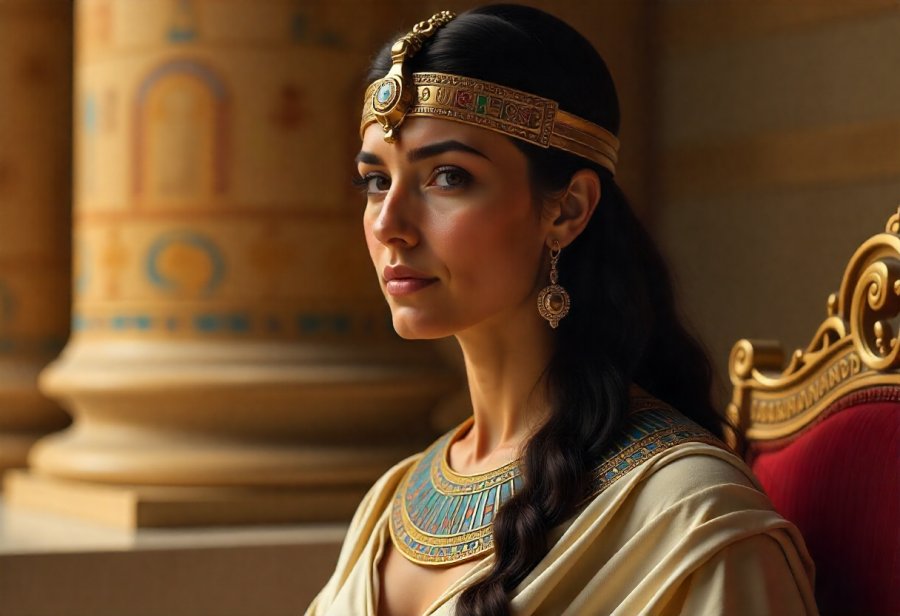
The Essence of Her Power: Traits of a Scholar, Diplomat, and Strategist
Cleopatra’s leadership was defined by a remarkable blend of intelligence, strategic insight, and diplomatic finesse that set her apart from many of her peers. She understood that power stemmed not just from wealth or military force but from knowledge and relationships. Her mastery of Egyptian traditions combined with her deep understanding of Hellenistic culture allowed her to connect with a diverse range of subjects and allies. This cultural fluency gave her an edge in navigating complex political landscapes and building lasting alliances.
Her diplomatic skills were exceptional. Cleopatra knew that her relationships with Julius Caesar and Mark Antony were rooted in strategic calculations aimed at protecting Egypt’s sovereignty. She was a shrewd observer of people and situations, adjusting her approach to maximize influence. Whether through marriage, treaties, or negotiation, she used these alliances as tools to strengthen her position, often turning potential conflicts into opportunities through wit and insight.
Strategically, Cleopatra was a forward thinker, always several steps ahead of her rivals. Her decisions reflected a clear vision of preserving Egypt’s independence amid external threats. She balanced Egyptian customs with innovative political tactics, demonstrating flexibility that kept her kingdom resilient. Her ability to adapt to changing circumstances underscored her effectiveness as a leader who prioritized long-term stability over short-term gains.
A dedicated scholar herself, Cleopatra’s patronage of learning and scientific progress reinforced her leadership. She supported the Library of Alexandria and fostered an environment where scholars from various backgrounds could exchange ideas. Her emphasis on knowledge was a deliberate strategy to project Egypt’s intellectual strength and influence, ensuring her kingdom’s prominence in the ancient world.
Managing internal divisions showcased her diplomatic mastery. She skillfully mediated conflicts between native Egyptians and Greek settlers, using tact and cultural sensitivity. Her ability to unify these groups helped maintain internal stability, even as external pressures mounted. This internal diplomacy was crucial to her overall strategy, enabling her to hold her kingdom together under turbulent conditions.
Throughout her reign, Cleopatra proved that resilience, intelligence, and strategic agility are the core attributes of effective leadership. Her capacity to outthink and outmaneuver rivals through cultural insight and relationship-building kept her authority intact. Her legacy demonstrates that true strength lies in the mind—through diplomacy, knowledge, and adaptability—rather than superficial glamour or brute force.
Intellect Over Glamour: Cleopatra’s Diplomatic Genius and Cultural Patronage
Cleopatra’s reputation as a scholar-queen extends far beyond her beauty or political alliances. Her true power lay in her unwavering commitment to learning and cultural preservation, which she saw as essential tools for strengthening Egypt’s position in the ancient world. By supporting the Library of Alexandria, she fostered an environment where scholars from diverse backgrounds could exchange ideas, advancing knowledge in fields like mathematics, astronomy, philosophy, and literature. Her dedication to scholarship was a strategic move to project Egypt’s intellectual prowess and maintain its cultural influence.
Her diplomatic skills complemented her scholarly pursuits perfectly. Cleopatra navigated a complex web of alliances with Rome’s most powerful figures—Julius Caesar and Mark Antony—with a keen sense of calculation and mutual benefit. Fluent in Egyptian, Greek, and Latin, she could communicate directly with key players and craft nuanced strategies. Her cultural fluency gave her an edge, allowing her to turn potential enemies into allies through careful negotiation and shared interests, often outmaneuvering rivals with wit and insight.
What truly distinguished Cleopatra was her focus on intelligence over glamour. She understood that leadership depended on strategic thinking and the ability to read situations accurately. Her diplomatic finesse enabled her to build alliances that protected Egypt’s sovereignty, even as external threats intensified. Constantly thinking several steps ahead, she adapted her approach depending on circumstances, demonstrating resilience and versatility that kept her kingdom afloat amid turbulence.
Supporting arts and sciences, Cleopatra reinforced her reputation as a leader rooted in wisdom. She funded research and encouraged scientific development, viewing knowledge as a form of power that could be wielded tactically. Her patronage elevated Egypt’s cultural stature and helped her project strength on the global stage. Her emphasis on education and scholarly inquiry was not just personal interest but a deliberate strategy to ensure her realm’s influence and stability.
Internal diplomacy was equally vital to her leadership. Cleopatra skillfully mediated social tensions between native Egyptians and Greek settlers, employing tact and cultural sensitivity. Her ability to unify these groups fostered internal cohesion, which was crucial when external threats loomed. This internal balance was a testament to her diplomatic mastery, allowing her to maintain authority and stability within her diverse kingdom.
Throughout her reign, Cleopatra demonstrated that resilience, intelligence, and strategic foresight form the core of effective leadership. Her capacity to outthink rivals through cultural insight and relationship-building kept her authority secure. She proved that true strength resides in the mind—through diplomacy, knowledge, and adaptability—rather than superficial glamour or brute force. Her legacy continues to remind us that leadership rooted in wisdom and strategic intelligence endures far beyond fleeting appearances.
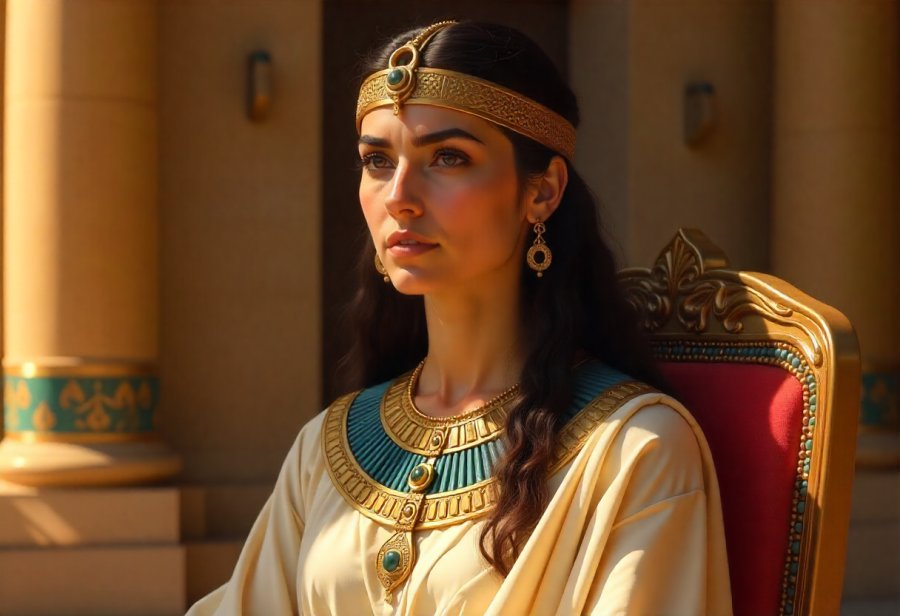
Rethinking Her Legacy: Leadership Rooted in Wisdom and Strategic Brilliance
Cleopatra’s legacy is often overshadowed by her mythic image of beauty and romance, yet her true power lay in her sharp intellect and strategic mastery. She understood that leadership rooted in knowledge, diplomacy, and adaptability could shape history far more enduringly than superficial glamour. Her alliances with Julius Caesar and Mark Antony were not driven by vanity but by calculated moves to protect Egypt’s independence and stability, demonstrating her skill in turning potential threats into opportunities through negotiation and cultural insight.
Supporting her political acumen was her unwavering dedication to learning and cultural patronage. Cleopatra viewed knowledge as a vital tool for projecting Egypt’s strength and influence. Her support of the Library of Alexandria and her efforts to foster a vibrant environment of scholarship helped Egypt maintain its reputation as a hub of innovation and wisdom. Her fluency in multiple languages and her understanding of diverse cultures gave her a diplomatic edge, enabling her to communicate directly with key figures and craft nuanced strategies that often outmaneuvered rivals.
Reevaluating her story shifts the focus from romanticized myth to a recognition of her as a complex, strategic thinker. Cleopatra’s leadership was built on resilience, intelligence, and an ability to think several steps ahead. Her internal diplomacy, balancing the needs of native Egyptians and Greek settlers, along with her external alliances, showcased her mastery in managing both internal and external pressures. She knew that her strength came from her mind—her capacity to analyze situations, build relationships, and adapt to changing circumstances with agility and foresight.
Her legacy reminds us that leadership rooted in wisdom and strategic thinking can leave a lasting impact beyond fleeting appearances. Cleopatra’s story exemplifies how true influence is forged through cultural understanding, intellectual prowess, and the ability to navigate turbulent times. By shifting the image of her from a mythic seductress to a pioneering diplomat and scholar, we gain a deeper appreciation of her enduring importance as a leader who valued mental agility over superficial glamour.
In the end, Cleopatra’s life offers a timeless lesson: real power is in the mind. Her resilience, diplomacy, and dedication to knowledge transformed her into a figure whose influence extended far beyond her era. Her story encourages us to look beyond surface images and recognize the lasting strength of intellect and strategic brilliance in shaping history. Cleopatra’s legacy remains a powerful testament to the enduring value of wisdom, adaptability, and leadership rooted in understanding—qualities that continue to inspire long after the sands of time have shifted.