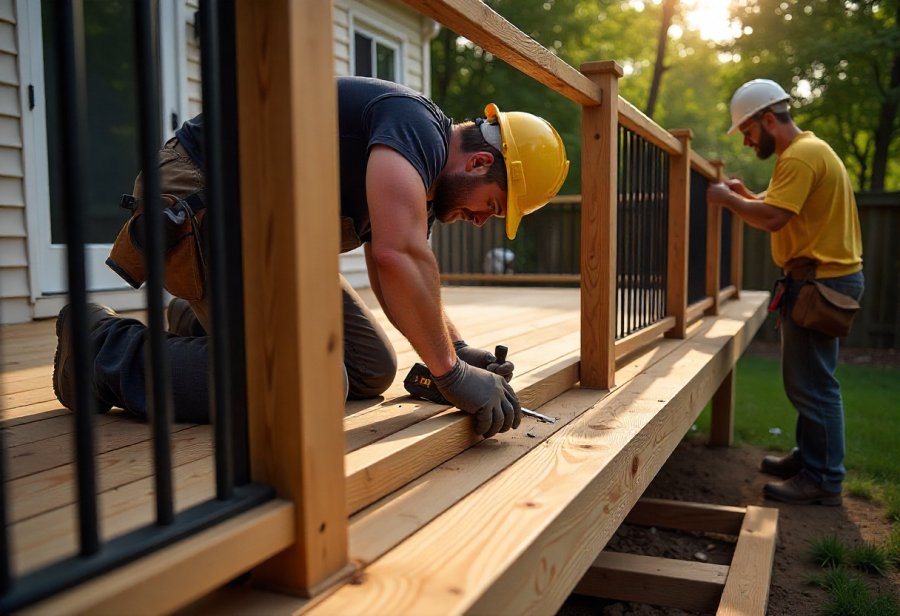
In an era dominated by digital noise, the simple act of tending a garden together emerges as a profound pathway to deepen human connection and healing. This warm, inviting scene illustrates how shared outdoor labor—planting, watering, nurturing—fosters trust, patience, and emotional intimacy beyond words. Historically intertwined with community, therapy, and cultural traditions, gardening has long served as a restorative force, nurturing not just plants but the human spirit. Today, modern society increasingly recognizes its power to reduce stress, strengthen bonds, and cultivate resilience—whether through backyard projects, community gardens, or virtual platforms connecting diverse backgrounds. Could the act of working side-by-side amidst nature truly bridge emotional divides? As urban green spaces expand and innovative approaches emerge, gardening continues to offer a timeless yet evolving ritual—one that might hold the key to reconnecting us in a fragmented world.
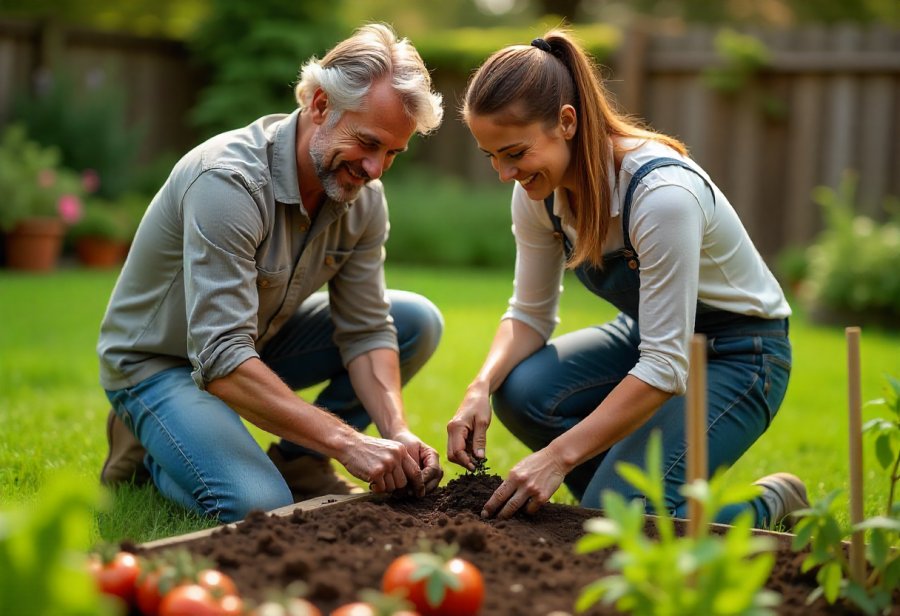
Rediscover Connection Through Gardening Amid Digital Chaos
In a world dominated by screens and instant messages, genuine face-to-face connection can sometimes feel harder to find. Amid the buzz of notifications and digital chatter, tending a garden offers a simple yet powerful way to reconnect with others in a meaningful way. When people work together outdoors, they share more than just the task at hand—they build trust, patience, and a sense of mutual support without even realizing it. The act of planting, watering, and caring for plants creates a natural rhythm that encourages conversation and cooperation, often sparking genuine moments of connection.
Gardening’s appeal goes beyond the physical activity; it provides a calm, grounding environment that helps reduce stress and emotional tension. As hands dig into the soil and plants begin to grow, it shifts focus from worries to nurturing life—both plant and relationship. These shared experiences foster emotional intimacy, as success and setbacks are faced together, creating a foundation of trust and understanding. Over time, these routines become rituals that deepen bonds and invite open dialogue, all while offering a peaceful escape from the chaos of modern life.
This activity also taps into a universal desire to reconnect with nature and each other. Especially in urban settings, community gardens, balcony setups, and school projects make it easier than ever to share the experience. These shared routines provide predictable opportunities for interaction, cooperation, and pride in collective effort. As people tend to their gardens side by side, they create a space where emotional bonds can flourish, rooted in the simple act of caring for something together.
Gardening’s power to promote healing isn’t new, but its relevance continues to grow. In an age where digital interactions often lack depth, working outdoors offers a profound way to restore trust and emotional resilience. Whether it’s a couple planting a vegetable patch or friends volunteering at a community garden, these moments of joint effort serve as gentle reminders that caring for something together can be a healing act—one that nurtures both plants and human connection.
Tracing Gardening’s Roots: A Historic Bond of Community and Healing
Gardening has a rich history as a social activity that naturally brings people together. Across cultures and centuries, shared gardens and communal planting spaces have served as vital gathering spots where families and neighbors collaborated to grow food, flowers, and herbs. These collective efforts were more than just cultivating crops; they fostered trust, encouraged cooperation, and built a sense of belonging. Working side by side in the soil created opportunities for storytelling, passing down traditions, and strengthening community bonds across generations and social divides.
Beyond its social role, gardening has long been recognized for its therapeutic benefits. Historically, it was seen as a form of outdoor healing—helping individuals cope with emotional distress, grief, or physical ailments. Early therapeutic gardens were designed to promote relaxation and sensory engagement, offering peaceful sanctuaries where nurturing life could lead to emotional renewal. This understanding of gardening as a healing practice has persisted through centuries, laying the groundwork for modern approaches to mental health and community well-being.
In the 20th century, garden-based therapy gained formal recognition. Pioneers like Florence Nightingale emphasized the calming effects of outdoor environments for recovery, inspiring organizations such as the American Horticultural Therapy Association. These efforts highlighted that tending plants isn’t just about growing things—it’s about nurturing the human spirit, restoring hope, and supporting emotional resilience. Such initiatives proved that shared gardening routines could serve as powerful tools for emotional healing and social connection.
Throughout history, cultural traditions have underscored gardening’s significance in fostering relationships and healing. In Japan, practices like shinrin-yoku, or forest bathing, incorporate immersion in nature to promote relaxation and mental clarity. Indigenous communities often regard communal gardens as sacred spaces, where storytelling and rituals reinforce cultural bonds. Mediterranean harvest festivals celebrate collective effort and gratitude, emphasizing the universal role of gardening as a bridge between people and their environment.
Today, the societal view of gardening continues to evolve, supported by research and a growing appreciation for its benefits. Urban farming and community gardens are expanding access, creating inclusive spaces for neighbors to connect through shared effort. These green spaces are increasingly seen as vital tools for strengthening social bonds, reducing stress, and fostering a sense of community. The recognition of gardening’s therapeutic potential is fueling initiatives that make green spaces more accessible and inviting for everyone.
Despite ongoing challenges like accessibility and inclusivity, the enduring cultural importance of gardening remains clear. It continues to serve as a universal language of connection, offering a simple yet profound way to bring people together. As communities embrace diverse traditions and innovative approaches, gardening’s role as a communal and healing activity grows stronger, reaffirming its place at the heart of human relationships across the world.
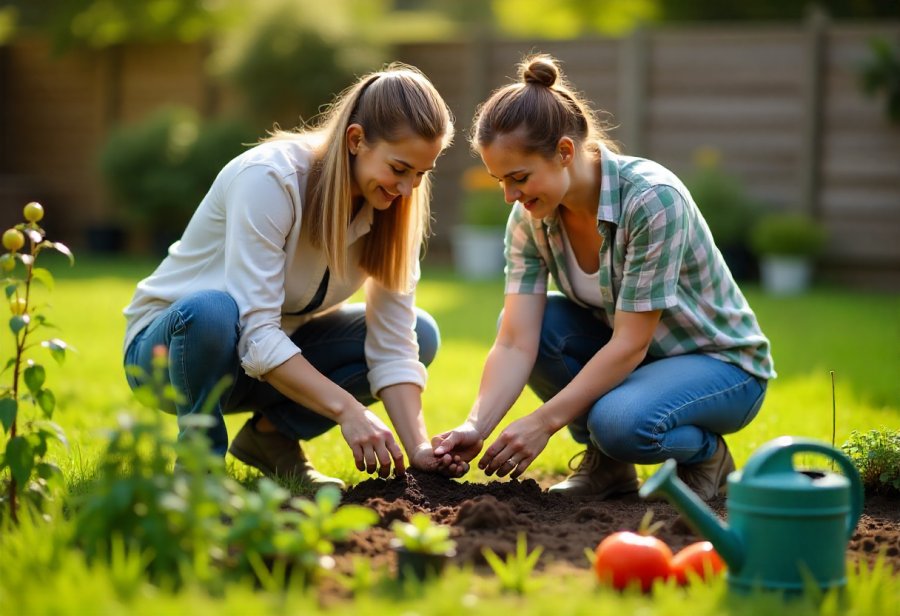
Modern Perspectives: How Gardening Builds Bonds in Today’s Society
Today, society increasingly views gardening as more than just a hobby—it’s a powerful way to strengthen relationships and boost mental well-being. Recent studies show that working outdoors with others can lift moods, reduce stress, and foster a deep sense of belonging. This shift is evident in the surge of community gardens and urban farming initiatives, which transform green spaces into lively hubs of connection. These environments encourage meaningful interactions, turning collective effort into a foundation for resilient communities.
Mental health professionals now often incorporate gardening into their practices, recognizing its calming effects and its ability to open channels of communication. Activities like planting seeds or watering plants together aren’t just chores; they become routines that nurture teamwork, patience, and mutual understanding. Spending time in nature while tending to plants helps people feel more connected to themselves and each other, building emotional bonds that might otherwise be difficult to establish.
Outdoor therapy spaces and therapeutic gardens are becoming more common in hospitals, clinics, and community centers. These peaceful environments offer a sanctuary where individuals facing emotional challenges can reconnect through caring for plants. The act of tending a garden becomes a metaphor for personal growth, trust, and hope—supporting emotional resilience and fostering a sense of community healing. Over time, these shared routines strengthen bonds and create a sense of stability amid chaos.
Shared gardening activities also build familiarity and trust through consistent effort. Whether planting in spring, watering on weekends, or harvesting in fall, these predictable routines create a sense of purpose and belonging. They transform everyday tasks into meaningful rituals, especially beneficial for those recovering from trauma or loss. Overcoming setbacks like pests or weather challenges together further deepens relationships, emphasizing that resilience is often rooted in shared perseverance.
Cultural shifts and technological advances continue to expand gardening’s role in fostering connection. Online platforms and virtual communities enable people to exchange tips, stories, and encouragement across distances, broadening the reach of gardening’s bonding power. Urban planning increasingly prioritizes green spaces—parks, community gardens, and urban farms—that serve as gathering spots and social catalysts. These efforts reinforce the idea that tending plants together remains a simple, accessible way to nurture human bonds.
As awareness around mental health and social cohesion grows, so does the recognition of gardening’s potential to create meaningful, lasting relationships. The act of caring for something together, whether in a backyard, a community plot, or through digital sharing, continues to offer a gentle yet profound path to connection. In a world where digital interactions often fall short, tending to plants side by side reminds us that some of the most powerful bonds are rooted in nature, patience, and shared purpose.
Practical Paths: Using Gardening to Cultivate Emotional and Social Well-Being
Gardening’s versatility makes it an accessible and powerful tool for fostering emotional bonds in a variety of settings. For couples, simple acts like planting flowers or maintaining a shared vegetable garden encourage teamwork and open communication. These routines become opportunities to celebrate progress together and navigate challenges, strengthening trust and understanding over time. Families benefit from creating small gardens where everyone has a role, which cultivates a sense of shared achievement, patience, and lasting memories. Friends often bond through participation in community gardens or volunteering at local green spaces, transforming collective effort into a source of camaraderie and mutual support.
In therapeutic contexts, gardening provides a safe space for emotional healing and connection. Activities like planting, watering, and harvesting serve as routines that nurture resilience and foster trust. These shared tasks often become natural conversation starters, helping individuals facing stress, grief, or recovery feel more supported and understood. When tending a garden with others, the act transforms into a meaningful ritual of mutual care, offering comfort and stability during difficult times. This collective effort not only nurtures plants but also helps rebuild emotional strength and hope, creating a foundation for healing.
Getting started with gardening routines is straightforward and inclusive. Basic tools such as hand trowels, watering cans, and pruning shears are enough to begin. Choosing plants that match your skill level and interests—whether herbs, flowers, or vegetables—keeps the experience engaging. Establishing regular times for planting, watering, or harvesting turns these activities into predictable moments for connection. Dividing tasks among participants encourages teamwork and shared responsibility, turning everyday chores into bonding rituals that reinforce trust and communication.
Setbacks like pests, bad weather, or slow growth can challenge patience and teamwork, but they also offer opportunities for growth. Approaching obstacles with flexibility and open communication helps maintain a positive outlook. Celebrating small successes and viewing setbacks as learning moments foster resilience and motivation. Overcoming these hurdles together strengthens bonds, emphasizing that perseverance and cooperation are as vital as the plants themselves. These shared experiences deepen relationships and highlight that growth often extends beyond the garden into personal connection.
Looking ahead, the potential for gardening to deepen relationships continues to expand through innovation and inclusivity. Virtual platforms and online communities connect people across distances, allowing them to share tips, successes, and encouragement. Urban planning increasingly prioritizes green spaces like parks and community gardens, recognizing their role in fostering social bonds. Initiatives that integrate gardening into schools, workplaces, and public spaces promote teamwork and shared purpose. As society embraces diverse traditions and new technologies, tending plants together remains a simple yet profound way to nurture human connection and emotional well-being.
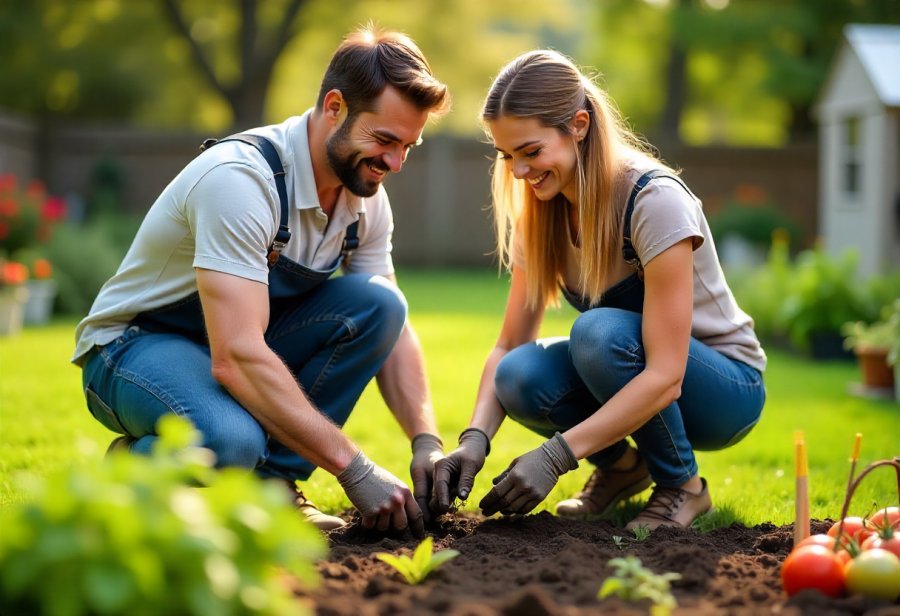
A Bright Future: Expanding Gardening’s Role in Fostering Global Connection and Resilience
Looking ahead, the potential for gardening as a way to strengthen human connections is brighter than ever. As awareness around mental health and community resilience grows, innovative approaches are emerging to make shared gardening more accessible and impactful. Virtual platforms and online communities are breaking down geographical barriers, allowing people from different backgrounds and locations to exchange tips, stories, and encouragement. These digital spaces extend the reach of gardening’s bonding power, fostering a sense of global solidarity rooted in nurturing life together.
At the same time, cities are increasingly investing in green spaces—not just for their environmental benefits but for their social and emotional rewards. Parks, community gardens, and urban farms are becoming vital meeting points where neighbors can collaborate, learn, and build trust. These spaces act as natural magnets for social interaction, transforming urban landscapes into vibrant hubs of collective effort and pride. As urban density rises, integrating more of these green oases becomes a strategic move to foster community bonds and promote mental well-being.
The rise of eco-therapy and nature-based wellness practices continues to expand gardening’s role in emotional health. More organizations and health professionals now incorporate activities like forest bathing, mindful gardening, and horticultural therapy into their programs. These approaches highlight that tending to plants isn’t just about growing food or flowers—it’s about reconnecting with ourselves and others through nature’s calming influence. As these methods gain mainstream acceptance, they could redefine outdoor activities as essential tools in holistic mental health care.
Technological innovations promise to further extend gardening’s impact on connection. Virtual reality gardens and app-based shared planting projects can bring the act of nurturing to those who might otherwise be excluded—whether due to mobility, distance, or time constraints. Schools and workplaces adopting routine planting activities foster teamwork and emotional resilience through digital tools that simulate shared experiences. These advancements open new avenues for maintaining bonds, even when physical presence isn’t possible.
Culturally, efforts to make gardening inclusive and reflective of diverse backgrounds will deepen its role as a bridge between people. Intergenerational projects, cultural exchanges centered around planting, and community-led initiatives foster empathy and understanding across differences. As green spaces become more equitable and welcoming, they serve as vital platforms for sharing traditions, building trust, and strengthening social fabric. This inclusivity ensures that gardening remains a universal language of connection, accessible to all.
Ultimately, the future of gardening as a tool for connection hinges on how society embraces these opportunities. It’s about reinforcing our fundamental need for trust, care, and shared purpose. As we continue to innovate and prioritize community well-being, tending to plants together will remain a simple yet powerful act—one that heals, inspires, and unites us across generations and borders. Gardening’s potential to nurture both the earth and human relationships will only grow stronger, shaping a more connected and resilient society.