What if true strength isn’t measured by external achievements—victories, wealth, or titles—but by the resilience and discipline cultivated within? Marcus Aurelius’s life exemplifies this profound truth, demonstrating that genuine power comes from mastering oneself rather than conquering the world. As emperor facing wars, plagues, and political upheaval, his writings reveal a deep commitment to inner virtues—wisdom, patience, and moral clarity—that sustain him amid chaos. This exploration challenges the common obsession with external validation, urging us to focus on cultivating habits of self-awareness, mindfulness, and moral consistency. Could developing inner discipline be the key to lasting influence and fulfillment? The powerful contrast between fleeting external victories and enduring internal virtues invites us to reconsider where real strength lies. Marcus’s legacy serves as a timeless reminder: the greatest empire we can build is within, rooted in a steady, resilient spirit that withstands life’s inevitable storms.
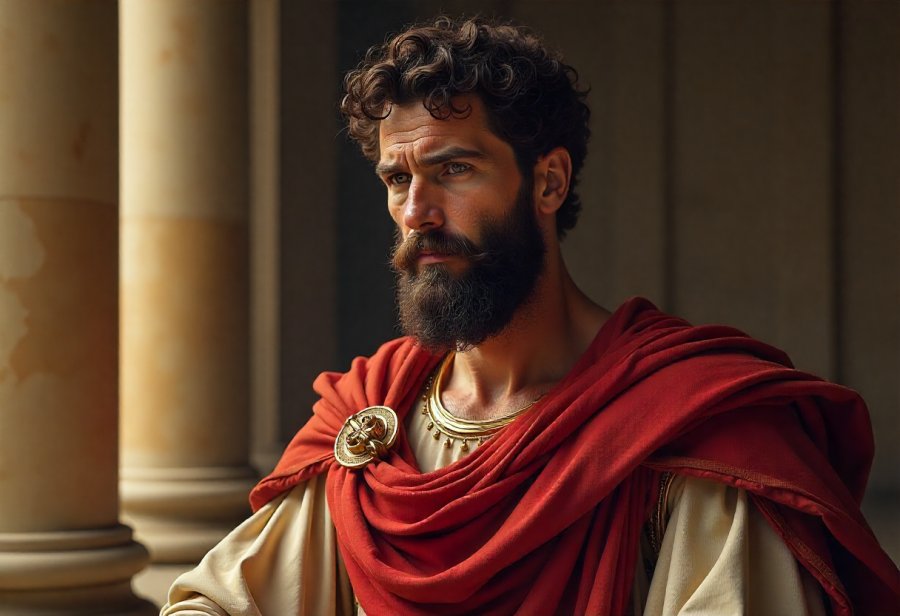
Inner Strength Over External Conquest: The Wisdom of Marcus Aurelius
When we think about strength, it’s easy to imagine it in terms of visible achievements—muscles bulging from hard work, armies standing victorious, or wealth accumulated in vaults. These external signs of power are what most of us associate with influence and success. But beneath these surface indicators lies a deeper question: could true strength actually reside within us, in our ability to govern ourselves? This idea challenges the common notion that conquest and external accomplishments are the ultimate markers of power. Instead, it invites us to consider the lasting impact of inner discipline—self-control, wisdom, and resilience—as the true foundations of strength.
Take Marcus Aurelius as a prime example. As a Roman emperor, he faced countless crises—wars, plagues, political upheaval—and yet he believed that genuine power wasn’t in territorial gains or military victories. His writings in Meditations reveal a man who prioritized mastering his mind and emotions over external success. For him, inner discipline—resisting impulsiveness and staying true to moral principles—was what allowed him to lead effectively through chaos. His life suggests that the most enduring power comes from within, not from the trophies of conquest.
This perspective might seem counterintuitive in a world obsessed with external validation. Society often celebrates external achievements, but history shows that these victories are fleeting. External circumstances change, and external trophies can be lost overnight. Inner virtues—patience, integrity, resilience—stand the test of time. When external conditions turn against us, it’s our inner strength that keeps us grounded and moving forward. Marcus’s calm and moral clarity amid adversity demonstrate how leadership rooted in self-mastery can have a profound and lasting influence.
Introducing the idea of inner discipline sets the stage for a broader exploration of how this strength manifests in daily life. It’s about developing habits—reflection, mindfulness, self-awareness—that build resilience over time. Cultivating these qualities isn’t about perfection but about steady progress. With each small act of self-control, we reinforce our ability to stay centered during challenges. Over time, these habits shape our character and deepen our inner resilience, making us better equipped to face whatever life throws our way.
This focus on inner discipline offers a compelling alternative to chasing external validation. It challenges us to look inward and prioritize our moral and emotional strength. When we develop this inner fortress, we’re more likely to act with clarity, patience, and integrity—qualities that lead to genuine influence and respect. In a world that often values superficial success, embracing this inner strength can be a radical act of self-empowerment, a way to build a lasting foundation for both leadership and personal growth.
Ultimately, the journey toward true strength begins with self-awareness and deliberate effort. It’s about choosing to invest in qualities that can’t be taken away—wisdom, patience, moral clarity. These virtues may not always be glamorous, but they provide a steady anchor amid life’s inevitable storms. Marcus Aurelius’s life reminds us that real power isn’t about external dominance; it’s about governing ourselves with discipline and purpose. This inner strength, cultivated patiently over time, becomes the greatest form of influence we can achieve.
Marcus Aurelius: The Philosopher-King in Tumultuous Times
Born in 121 AD, Marcus Aurelius grew up in a family that valued education and moral virtue. From an early age, he was immersed in studies of rhetoric, law, and philosophy, with Stoicism shaping much of his worldview. Mentors guided him in cultivating self-control and moral integrity, laying a foundation that would influence both his character and leadership style. These early lessons in virtue became central to his later life, shaping him into a philosopher-king committed to inner discipline.
When Marcus ascended to the throne in 161 AD, the Roman Empire was under immense pressure. Wars along the Danube frontier, outbreaks of plague, and political unrest stretched the empire’s resources thin. Despite these external crises, Marcus approached his responsibilities with calm and a focus on moral clarity. His writings in Meditations reveal a leader who prioritized self-awareness and moral strength over military might or territorial expansion. He believed that true power stemmed from mastery over oneself, not from external conquests.
Throughout his reign, Marcus balanced the demands of ruling an empire with his philosophical pursuits. He led military campaigns with strategic skill but remained committed to inner virtues. His leadership was marked by humility, justice, and resilience—qualities that earned him respect not only as a ruler but as a moral compass for his people. Even amid invasions, plagues, and internal turmoil, he maintained a steady hand, demonstrating that genuine strength came from within and that external stability was secondary to inner resilience.
Marcus’s life exemplifies how internal discipline can serve as a guiding force through adversity. His reflections in Meditations show a man who constantly worked to cultivate wisdom, patience, and moral clarity. These qualities allowed him to face chaos with equanimity and purpose, turning internal strength into external influence. His example reminds us that leadership rooted in self-control and virtue endures beyond fleeting victories, leaving a lasting legacy grounded in moral integrity.
Living through tumultuous times, Marcus Aurelius proved that resilience and inner discipline are the true marks of strength. His ability to stay composed amid wars, plagues, and political upheaval underscores the power of governing oneself first. His life offers a timeless lesson: the greatest empire we can build is within—an enduring fortress of virtue and self-mastery that remains unshaken by external upheavals. Marcus’s example continues to inspire the pursuit of inner discipline as the foundation of authentic power.
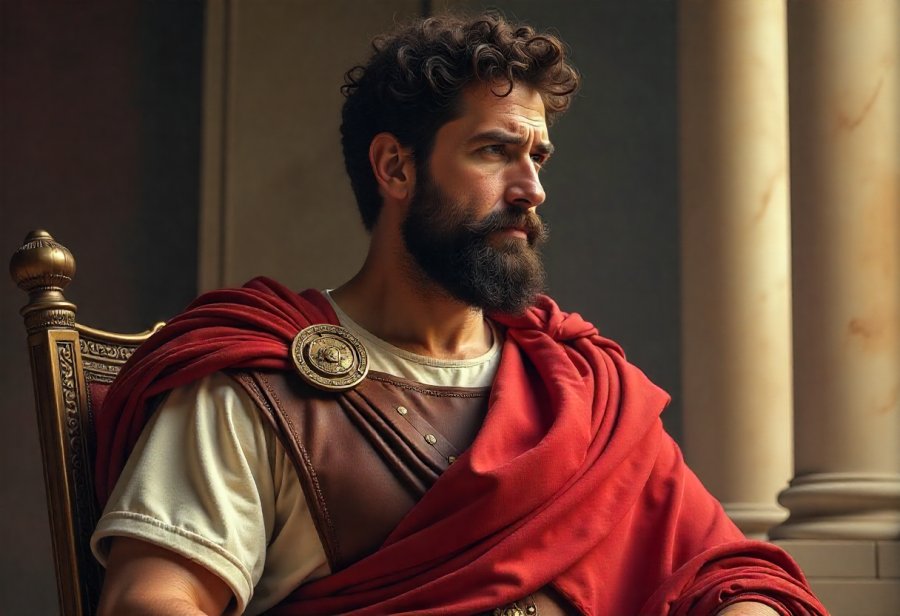
Core Ideas That Foster Inner Resilience and Moral Power
At the core of inner discipline lie foundational philosophical ideas that shape our understanding of true strength and resilience. Stoicism, in particular, emphasizes that virtue—comprising wisdom, courage, justice, and self-control—is the true measure of a person’s power. Instead of chasing external rewards like wealth or status, Stoics focus on cultivating an inner moral compass and mastering reactions to life’s inevitable challenges. This shift redirects our energy inward, prioritizing character and effort over fleeting achievements.
A pivotal principle supporting inner strength is distinguishing between what we can and cannot control. Recognizing this difference helps us avoid wasting time and emotional energy on external events or other people’s opinions, which are beyond our influence. Instead, we learn to focus on how we respond—our thoughts, decisions, and attitudes—which remain entirely within our power. This mindset fosters calmness and steadiness, especially during adversity, because it roots us in what we can change rather than what we cannot.
Closely tied to this is the practice of self-awareness and mindfulness. Being attentive to our thoughts, feelings, and impulses allows us to catch ourselves when reacting impulsively or straying from our values. Mindfulness introduces a pause between stimulus and response, giving us the opportunity to choose a more deliberate, virtuous reaction. Over time, this ongoing reflection builds mental resilience and helps align our actions with our deeper purpose, even in chaos.
Acting in accordance with virtues like wisdom and justice reinforces that genuine strength isn’t about dominance or external validation. Instead, it’s about consistent moral behavior, regardless of circumstances. When we cultivate internal harmony, we develop a resilience that’s less shaken by setbacks or temptations. Our inner strength becomes a moral anchor—calm, clear, and steady—guiding us through life’s inevitable ups and downs.
Resilience rooted in inner discipline isn’t about suppressing emotions but gaining clarity and perspective. When faced with difficulties, those committed to inner strength view challenges as opportunities for growth rather than threats. This outlook transforms obstacles into stepping stones, fostering a deeper, more enduring strength that sustains us through personal struggles and external upheavals alike.
Practicing these philosophical ideas in daily life makes inner discipline tangible. Small habits—like pausing before reacting, journaling reflections, or taking moments of mindfulness—reinforce our capacity for self-control. Each deliberate choice gradually shapes our character, strengthening our resolve and deepening our resilience. Consistency is key; over time, these routines become second nature, supporting us in maintaining moral clarity amid stress and chaos.
Developing this discipline is an ongoing process that requires patience and effort. It’s about making deliberate decisions aligned with our values, even when it’s inconvenient or challenging. Over time, these choices build a resilient inner fortress—an unshakable foundation that withstands external storms. This inner strength isn’t flashy, but it’s powerful, steady, and enduring—precisely what makes true influence possible.
Ultimately, embracing these core concepts transforms how we see strength itself. It shifts the focus from external achievements to internal mastery, highlighting that the most lasting power resides within us. Cultivating virtues like wisdom, patience, and self-control creates a resilient spirit capable of navigating life’s uncertainties. Inner discipline becomes our most valuable asset—an inner empire that no external upheaval can overthrow.
Bringing Philosophy to Life: Practical Habits for Inner Discipline
Inner discipline is best understood as a set of daily habits that gradually shape our character and resilience. Small acts like pausing before reacting, practicing mindfulness during stressful moments, or journaling reflections keep us grounded and aligned with our core values. Marcus Aurelius himself kept a journal—Meditations—where he regularly reviewed his thoughts and actions, reinforcing his commitment to self-control and clarity. Incorporating brief moments of reflection into everyday life can help us respond thoughtfully rather than impulsively, strengthening our inner resolve over time.
Consistency is key. Each deliberate choice—resisting the urge to check your phone, staying patient in frustrating situations, sticking to a routine—contributes to building a resilient mindset. Over weeks and months, these decisions become more automatic, gradually transforming habits into second nature. The goal isn’t perfection but steady progress. Every small act of discipline adds up, cultivating a stronger sense of self-mastery and emotional stability that prepares us for life’s inevitable setbacks.
Acceptance plays a crucial role in applying inner discipline. Instead of wasting energy fighting against what’s outside our control—like external setbacks or other people’s opinions—we focus on how we choose to respond. Marcus Aurelius exemplified this when facing invasions and plagues; his calmness stemmed from trusting his inner strength rather than external stability. By shifting our attention inward and accepting limitations, we conserve energy and maintain clarity, even under pressure. This mindset transforms obstacles into opportunities for growth and reinforces our resilience.
Mindfulness and self-awareness deepen our capacity for inner discipline. Regularly checking in with ourselves—asking how we feel, whether our actions align with our values—creates a mental space to choose better reactions. Recognizing impulsive tendencies early allows us to pivot toward more virtuous responses. Over time, this practice becomes a natural part of our thought process, helping us stay steady amid chaos. Developing this awareness isn’t about suppressing emotions but about understanding and directing them with clarity.
Turning philosophical ideas into practical routines makes inner discipline tangible. Starting with simple acts—like a five-minute morning reflection or a pause before reacting—sets a foundation for lasting change. These routines, when practiced consistently, gradually strengthen our character and resilience. It’s a process of deliberate effort rather than instant perfection. Over time, these habits become ingrained, supporting us in navigating challenges with calm confidence and moral clarity.
Building inner discipline is an ongoing journey, but each intentional choice reinforces our inner fortress. It’s about creating a stable core rooted in virtues like patience, humility, and integrity. This inner strength becomes a moral anchor, guiding us through chaos and setbacks without losing sight of our purpose. Marcus Aurelius’s life highlights how daily practices—no matter how small—can transform our mindset and enable us to lead with wisdom and resilience. In cultivating this discipline, we forge a power that endures beyond external circumstances.
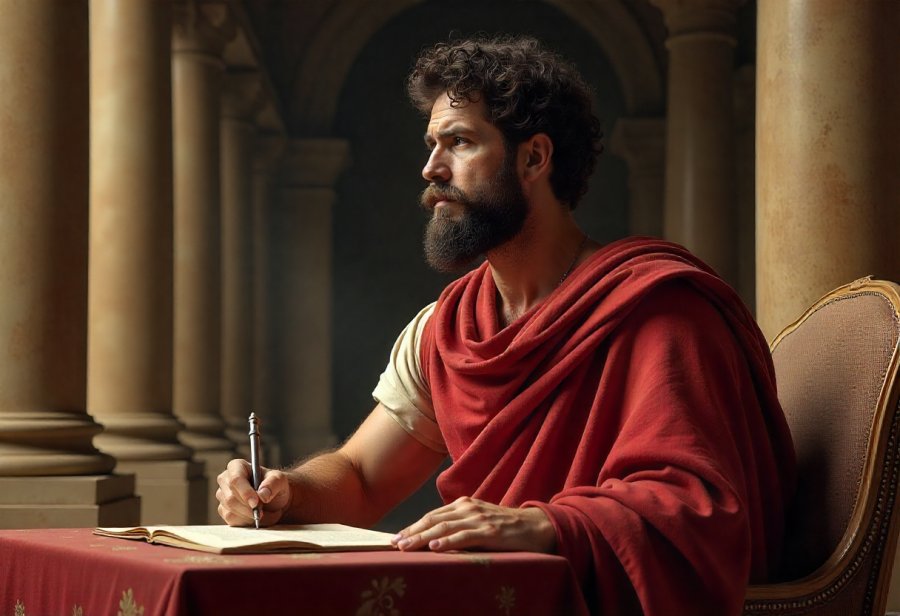
Rethinking Power: Why Inner Virtue Surpasses External Success
When we look at what truly constitutes strength, it’s tempting to focus on external markers—wealth, titles, victories—that society often celebrates. Yet, beneath these surface signs lies a deeper, more enduring form of power: inner discipline. Marcus Aurelius’s life exemplifies this shift. His leadership wasn’t measured by territorial gains or military conquests but by his mastery over his own mind and morals. It’s this quiet, steady strength—rooted in patience, integrity, and moral clarity—that proved more lasting than any external achievement.
Inner discipline offers a resilience that external success cannot match. External victories can be fleeting; they can be lost overnight or taken away by circumstances beyond our control. But the virtues of patience, humility, and self-control built within us stand firm, providing stability amidst chaos. Marcus’s calm in the face of invasions, plagues, and political upheaval shows how cultivating a disciplined mind creates a foundation that withstands life’s storms, offering true stability when everything else falters.
Focusing on inner virtues transforms our approach to leadership and personal growth. When rooted in moral integrity and self-restraint, influence becomes sustainable. Leaders who govern themselves with wisdom and restraint inspire genuine trust, their authority grounded not in fear or superficial compliance but in authentic moral authority. This kind of influence endures long after fleeting external applause and leaves a legacy rooted in virtue rather than transient victories.
Reevaluating what we value—whether in ourselves or others—means investing in qualities that foster true resilience. Patience, humility, and integrity aren’t just virtues; they’re the pillars of a durable inner strength. When we prioritize these qualities, we create a resilient core capable of navigating setbacks and chaos without losing sight of our purpose. Building this inner fortress requires effort and consistency, but it offers a power that remains unshaken by external upheavals.
Marcus Aurelius’s example encourages us to rethink what it means to be truly powerful. It’s not about trophies or external dominance but about cultivating a resilient spirit that endures beyond temporary circumstances. Developing inner discipline takes patience and deliberate effort, yet the reward is a steady, unshakable strength rooted in virtue. This internal empire—an unbreakable self-governance—becomes the source of influence that no external force can undermine.
The greatest legacy we can build is within ourselves. Inner discipline, once cultivated, becomes an unassailable foundation—an empire of virtue that sustains us through life’s inevitable challenges. When we focus on developing this internal strength, we discover a form of power that is truly lasting, genuine, and profound. Marcus Aurelius’s life reminds us that the most enduring strength is the one we nurture within, shaping us into leaders of moral resilience and authentic influence.